Decorazioni Celesti
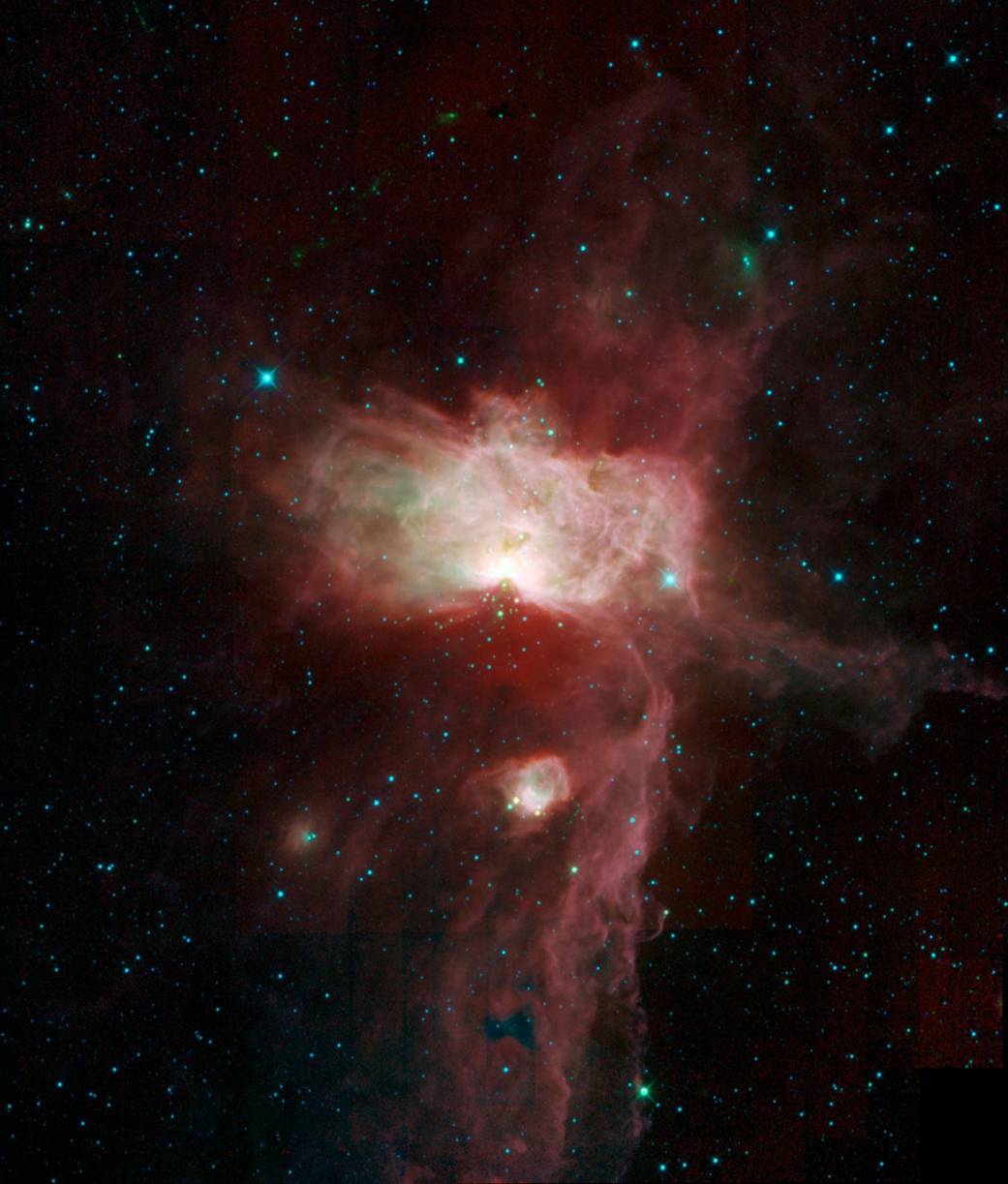
Questa immagine mozzafiato ripresa dal telescopio Wide-field Infrared Survey Explorer (WISE) immortala tre famose nebulose che fanno parte del gigantesco Complesso Nebuloso Molecolare di Orione (Orion Molecular Cloud): la nebulosa Fiamma (Flame Nebula), la nebulosa Testa di Cavallo (Horsehead Nebula) e NGC 2023. Continua a leggere
Una Fatina Cosmica
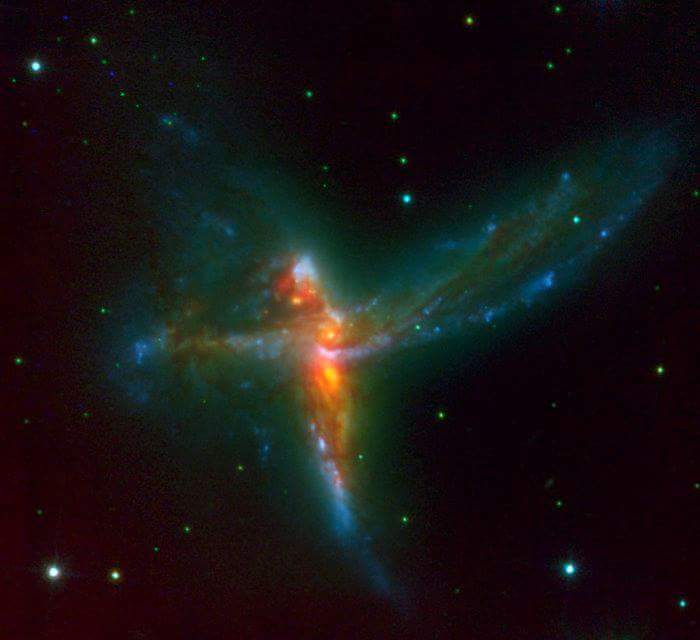
Utilizzando il Very Large Telescope dell’ESO, un team internazionale di astronomi ha individuato uno splendido, raro caso di triplice fusione di galassie. Questo sistema, che gli astronomi hanno soprannominato L’Uccello (“The Bird”), anche se potrebbe assomigliare ad una fatina Trilly cosmica, si compone di due galassie a spirale massicce e una terza galassia irregolare. Continua a leggere
Transito della Stazione Spaziale Internazionale sul disco solare
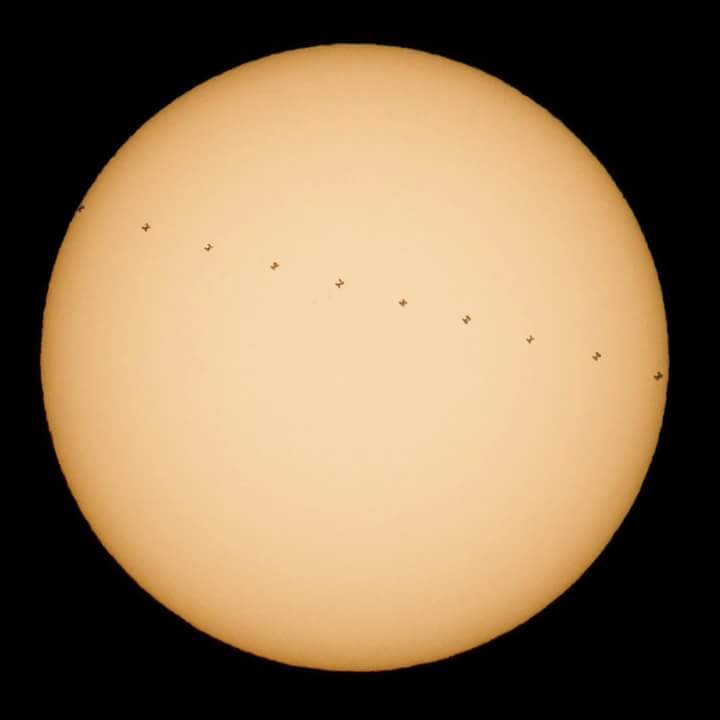
Questa straordinaria immagine composita, realizzata unendo 10 fotogrammi, mostra la ISS (che ora ospita 6 astronauti) in silhouette mentre transita davanti al Sole ad una velocità di circa 8 chilometri al secondo. È stata ripresa da Newbury Park, California, il 17 dicembre 2016. Continua a leggere
Il pasto di Betelgeuse
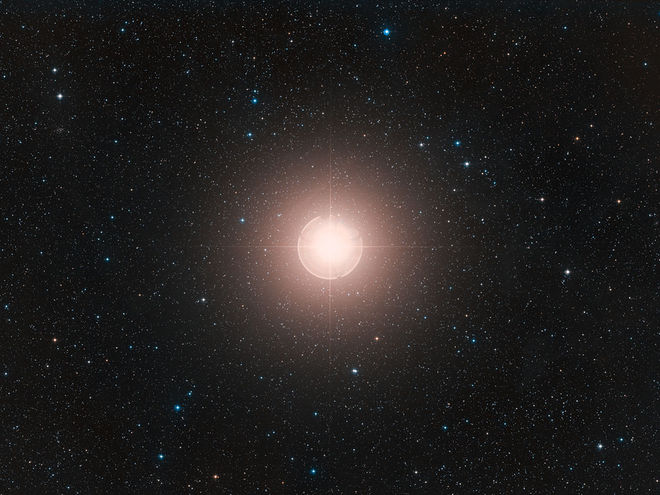
L’astronomo J. Crail Wheeler dell’University of Texas ad Austin ritiene che Betelgeuse, la stella brillante che rappresenta la spalla di Orione possa aver avuto un passato più interessante di quel che può sembrare. Wheeler ha ipotizzato che la supergigante rossa potrebbe essere nata insieme ad una compagna, e che in seguito l’abbia inglobata. La ricerca è stata pubblicata su Monthly Notices of the Royal Astronomical Society. Continua a leggere
Paese delle Meraviglie Cosmico
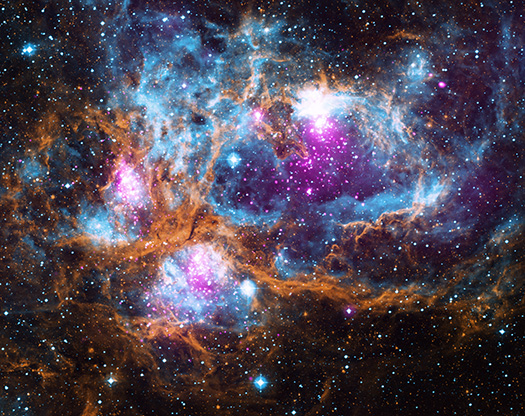
Sebbene nello spazio non esistano stagioni, questo straordinario panorama cosmico ricorda un freddo paesaggio invernale dall’atmosfera magica. In questa fiabesca regione, chiamata NGC 6357, la radiazione delle calde, giovani stelle sta energizzando il gas più freddo nella nube circostante, facendolo brillare. Continua a leggere
Sharpless 308: Una Bolla Stellare
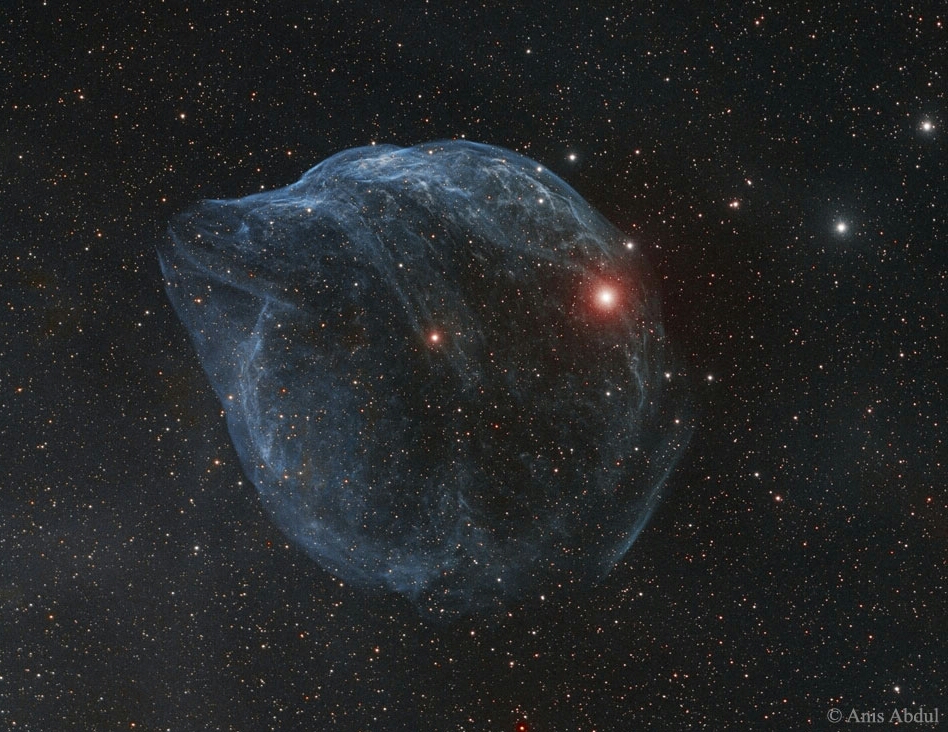
Questa spettacolare bolla cosmica, soffiata da venti veloci emessi da una calda stella massiccia, è davvero enorme. Catalogata come Sharpless 2-308, si trova a circa 5.200 anni luce di distanza in direzione della costellazione del Cane Maggiore e abbraccia una regione in cielo poco piu grande di una Luna piena. Questo corrisponde ad un diametro di 60 anni luce alla sua distanza stimata. Continua a leggere
Scintillio di Stelle
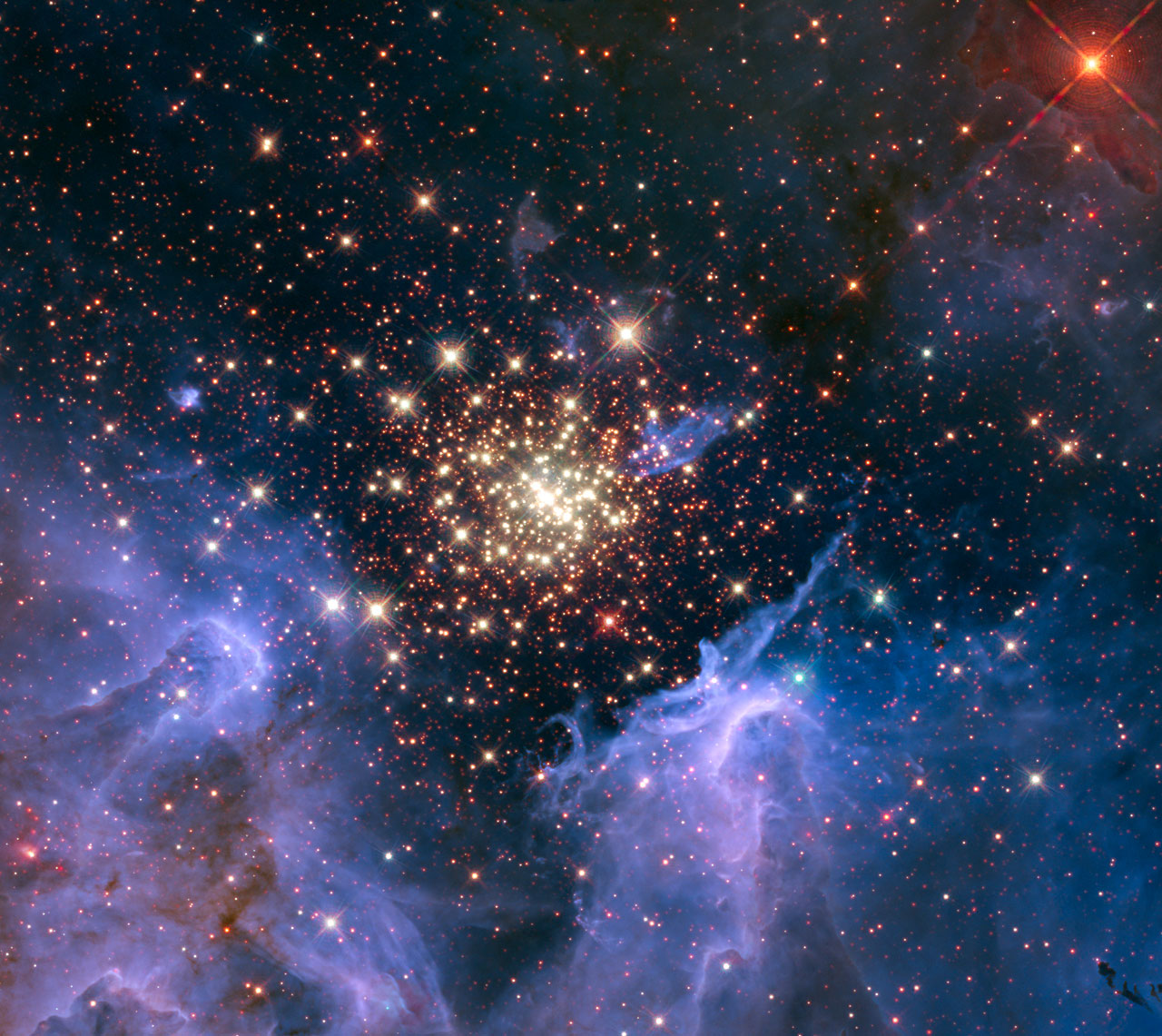
Una giovane, scintillante collezione di stelle si presenta come uno spettacolo celeste di fuochi d’artificio. L’ammasso è circondato da nubi di gas e polveri interstellari, la materia prima per la formazione di nuove stelle. La nebulosa, che si trova a 20.000 anni luce di distanza nella costellazione della Carena, contiene un ammasso centrale di stelle ardenti e massicce, chiamato NGC 3603. Continua a leggere
Luce dall’oscurità
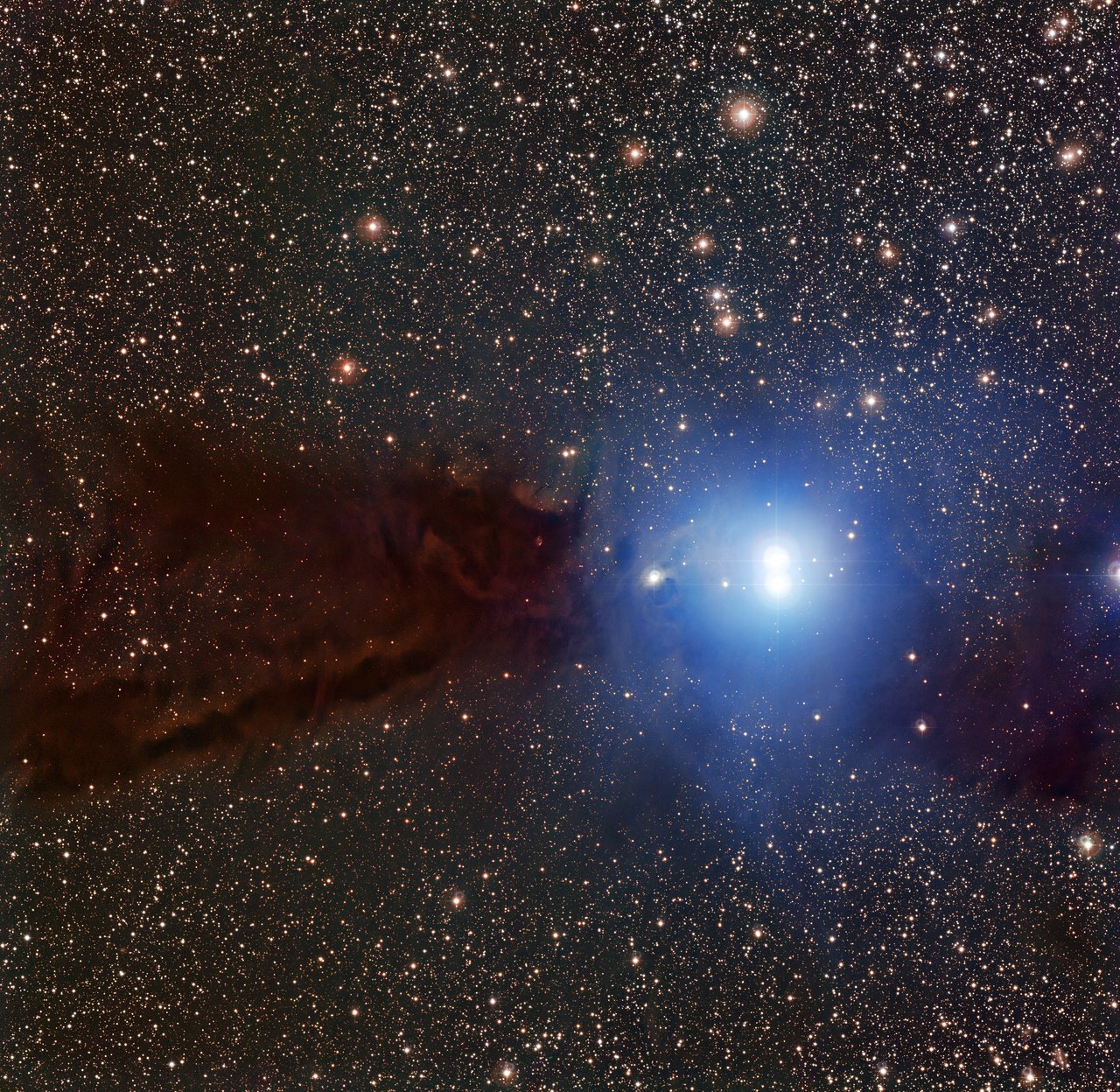
Questa immagine fiabesca, ripresa dal telescopio dell’MPG/ESO a La Silla, mostra una nube oscura in cui stanno nascendo nuove stelle insieme ad un gruppo di astri splendenti già emersi dalle polveri in cui erano avvolti. Continua a leggere
Una Ghirlanda in Cielo
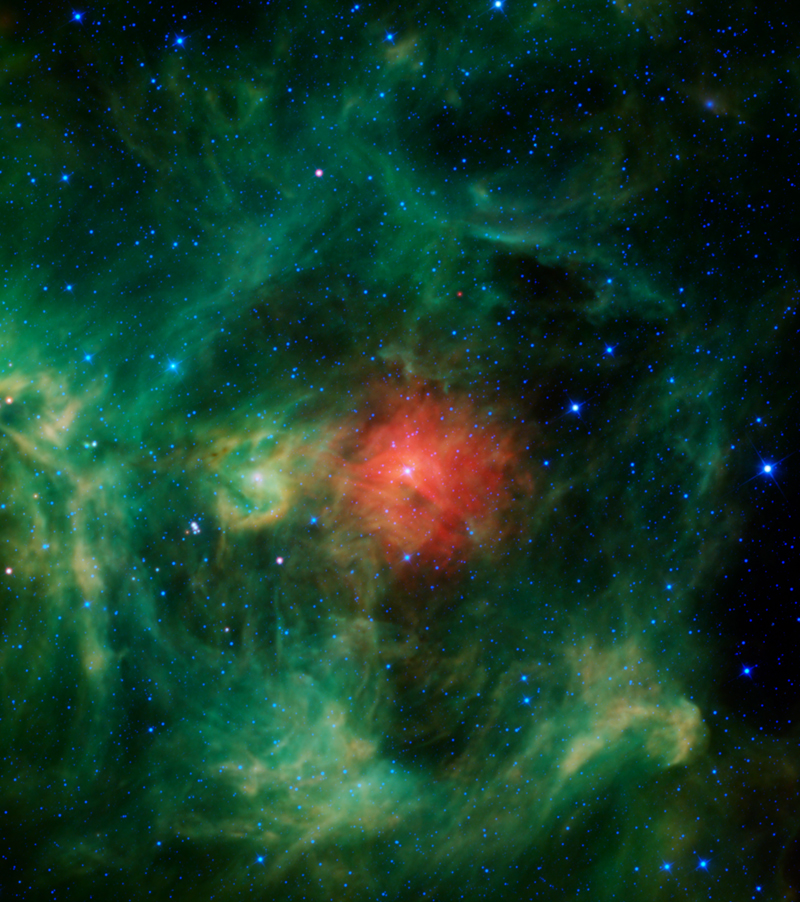
In perfetto spirito natalizio questa spettacolare nebulosa ripresa dal telescopio WISE della NASA ha l’aspetto allegro ed elegante di una festosa ghirlanda, ornata di un bel nastro rosso, sempreverde e lucine d’argento. Il nome ufficiale è Barnard 3 o IRAS G159.6-18.5, ma è stata soprannominata in modo appropriato, Nebulosa Ghirlanda. Nubi come questa sono nursery stellari, regioni in cui nascono nuove stelle. Continua a leggere
Ghiaccio ovunque su Cerere
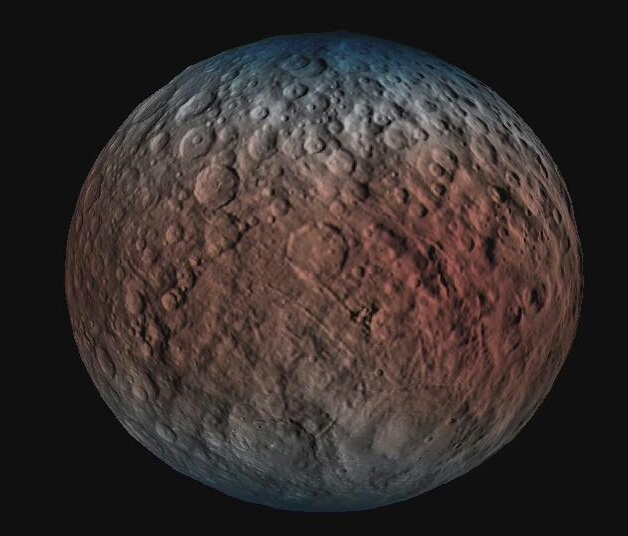
Le immagini di Cerere riprese dalla sonda Dawn della NASA hanno rivelato un mondo scuro, coperto di crateri, la cui zona più brillante è formata da sali altamente riflettenti. Ma anche se a prima vista può non sembrare, due nuovi studi dimostrano che il ghiaccio è presente ovunque sul pianeta nano. Continua a leggere