Viaggio cosmico di una nebulosa a forma di farfalla
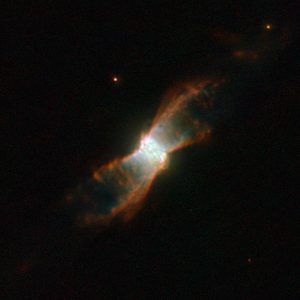
Il telescopio Hubble ha immortalato un’affascinante nebulosa planetaria, simile ad una delicata farfalla, denominata NGC 6881.
Situata nella costellazione del Cigno, è formata da una nube interna, che si estende per circa un quinto di anno luce, e da “ali” simmetriche che si espandono per circa un anno luce da un’estremità all’altra. La simmetria potrebbe essere dovuta ad una stella binaria nel centro della nebulosa. Continua a leggere
Rendere sicuri i viaggi spaziali
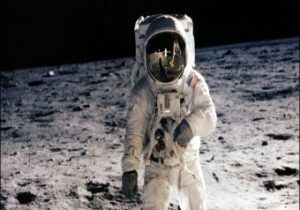
Uno studio basato sugli equipaggi delle missioni Apollo, rivela come sia fondamentale la ricerca medica perché il futuro dei viaggi spaziali sia sicuro.
Immaginate di far rotta su Marte o di sbarcare ancora sulla Luna, quasi mezzo secolo più tardi di Armstrong. Uno scenario declinato al futuro a cui la NASA strizza l’occhio sempre più concretamente, approfondendo le ricerche nel campo della biomedicina, con l’intento di comprendere meglio i potenziali rischi per la salute connessi alla lunga permanenza in ambiente spaziale. Continua a leggere
La scoperta di una nursery stellare
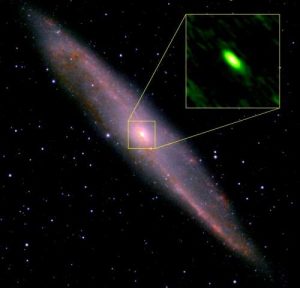
Un team di astronomi dell’University of Manchester, del Max Planck Institute for Radio Astronomy e dell’University of Bonn ha scoperto una nursery stellare nascosta in una galassia a spirale nelle vicinanze, utilizzando ALMA. I risultati mostrano che la velocità di formazione stellare nel centro della galassia, e di altre galassie come questa, può essere molto più elevata di quanto si ritenesse. Continua a leggere
NUSTAR individua buchi neri nascosti
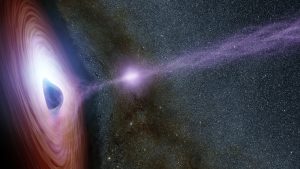
Nuovi dati provenienti dal Nuclear Spectroscopic Telescope Array della NASA, o NUSTAR, hanno, per la prima volta, individuato un gran numero di buchi neri che emettono raggi X ad alta energia. Continua a leggere
Vita e morte di una famiglia stellare

Questa suggestiva immagine dell’ESO riprende una famiglia di giovani stelle che si abbracciano su uno sfondo di nubi di gas incandescente e strisce di polvere. L’ammasso stellare, noto come NGC 3293, una decina di milioni di anni fa era soltanto una nube di gas e polveri, ma quando le stelle hanno cominciato a formarsi è diventato il gruppo brillante che possiamo ammirare. Continua a leggere
Come nascono le comete
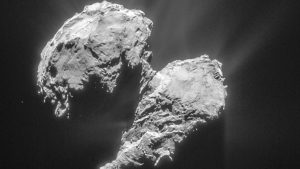
L’analisi dettagliata dei dati raccolti dalla sonda Rosetta dimostra che le comete sono gli antichi resti della formazione del Sistema Solare e non frammenti più giovani derivanti da successive collisioni tra oggetti antichi più grandi.
Capire come e quando oggetti come la cometa 67P/Churyumov-Gerasimenko si siano formati è della massima importanza nel determinare Continua a leggere
Distruzione preventiva per scongiurare l’impatto

Simulando al computer strategie di difesa con testate nucleari, un team di ricercatori russi è giunto a concludere che, se l’asteroide venisse bombardato e disintegrato mentre si sta allontanando dalla Terra, i frammenti radioattivi non rappresenterebbero una minaccia.
Anche se il nemico sembra invincibile, ha pur sempre un punto debole. Quando te lo mostrerà, muovi all’attacco. Così Sun Tzu nell’Arte della Guerra. Probabilmente Continua a leggere
Una bolla celestiale
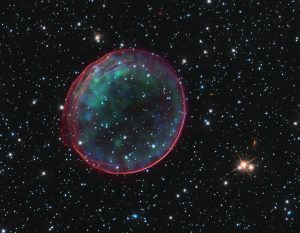
Questo guscio delicato, ripreso dal telescopio Hubble, sembra galleggiare serenamente nelle profondità dello spazio, ma questa calma apparente nasconde un tumulto interiore. Continua a leggere
Novità sul campo magnetico del Sole e di stelle simili
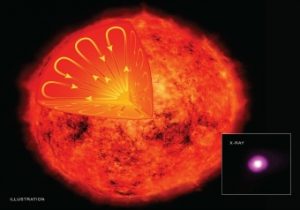
I campi magnetici del Sole e di altre stelle sono responsabili di buona parte del loro comportamento, tra cui la generazione di potenti tempeste che possono produrre spettacolari aurore sulla Terra, ma anche danni ai sistemi di comunicazione satellitare, e rischi per gli astronauti nello spazio. Il nuovo studio, basato su dati provenienti dall’Osservatorio a raggi X Chandra della NASA, può aiutare gli astronomi a comprendere meglio come vengano prodotti questi campi magnetici. Continua a leggere
Straordinario ritratto di una culla stellare

Un terra fantastica dipinta ad acquerello?
I colori nell’immagine possono sembrare distribuiti da sapienti pennellate, ma si tratta in realtà di una ripresa del centro della Nebulosa Cigno (Swan Nebula, M17), un focolaio di stelle neonate avvolte in coperte colorate di gas incandescente e cullate all’interno di un’enorme, fredda nube oscura.
Questa regione della nebulosa è circa 3500 volte più ampia di quella del nostro Sistema Solare. La nebulosa si trova a circa 5500 anni luce di distanza nella costellazione Continua a leggere