Il lato X delle radio galassie

Due ricercatrici INAF, Loredana Bassani dello IASF di Bologna e Francesca Panessa dello IAPS di Roma, hanno guidato altrettanti studi di radio galassie viste con gli “occhi” per raggi X dei telescopi spaziali INTEGRAL e Swift. I risultati su Monthly Notices of the Royal Astronomical Society. Continua a leggere
Nuova autonomia per Curiosity
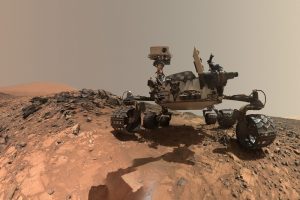
Il rover Curiosity della NASA, che ha esplorato il pianeta rosso dal 2012, ora può prendere di mira le rocce con il laser dello strumento ChemCam in maniera autonoma, senza attendere l’approvazione umana. Continua a leggere
Kepler-80 e le sue orbite strambe
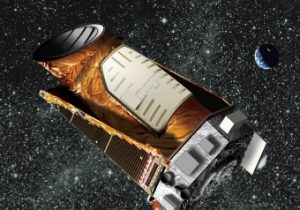
Un team di astronomi del Florida Institute of Technology ha scoperto nuove caratteristiche del sistema planetario Kepler-80 individuato dal telescopio NASA. I suoi esopianeti hanno periodi di rivoluzione brevissimi e orbite sincronizzate tra loro. Continua a leggere
La Nebulosa di Orione in luce visibile e nell’infrarosso
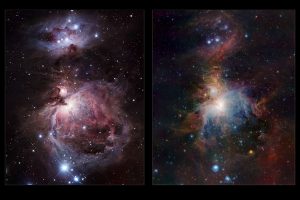
A sinistra ammiriamo la Nebulosa di Orione in luce visibile. La maggior parte della luce delle affascinanti nubi proviene da idrogeno gassoso, brillante per la potente radiazione ultravioletta delle giovani, calde stelle. La regione sopra il centro è chiaramente oscurata da nubi polverose. Continua a leggere
Lo straordinario spettacolo di nascita e morte delle stelle
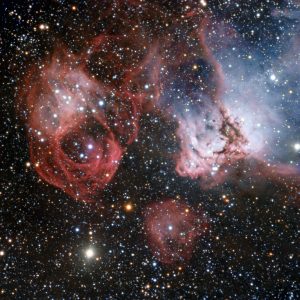
La Grande Nube di Magellano è una delle galassie più vicine alla nostra. Gli astronomi hanno utilizzato il Very Large Telescope dell’ESO per esplorare una delle sue regioni meno conosciute. Questa immagine mostra nubi di gas e polveri in cui stanno nascendo nuove calde stelle che scolpiscono l’ambiente circostante creando particolari formazioni, ma mostra anche gli effetti della morte stellare, filamenti generati da un’esplosione di supernova. Continua a leggere
Spazio…ultima frontiera
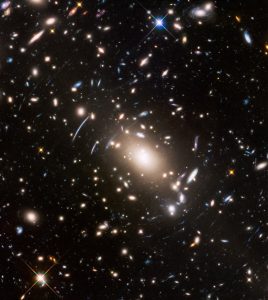
Abell S1063, a galaxy cluster, was observed by the NASA/ESA Hubble Space Telescope as part of the Frontier Fields programme. The huge mass of the cluster acts as a cosmic magnifying glass and enlarges even more distant galaxies, so they become bright enough for Hubble to see.
Cinquant’anni fa il capitano Kirk e l’equipaggio della nave Enterprise hanno iniziato il loro viaggio nello spazio, verso l’ultima frontiera. Nella nostra epoca, il telescopio spaziale Hubble sta esplorando nuove frontiere, osservando galassie distanti nell’ammasso Abell S1063 come parte del programma Frontier Fields. La sua missione continua, per esplorare strani, nuovi mondi fino ad arrivare dove nessun telescopio ha mai osservato prima. Continua a leggere
Frenetica formazione stellare in Haro 11
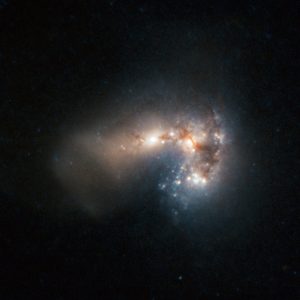
Sembra una luce delicata quella che pervade Haro 11, tra nubi di gas e polveri, ma questa placida facciata non rispecchia l’eccezionale tasso di formazione stellare che si verifica in questa galassia “starburst”. Continua a leggere
Piccoli e rocciosi Trappisti
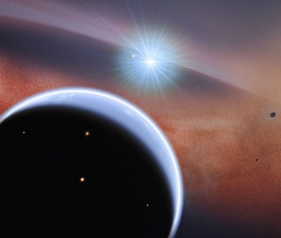
Il sistema planetario Trappist 1 era stato scoperto lo scorso due maggio e grazie a Hubble oggi si sa che i due pianeti più interni sono rocciosi. E ora tutto dipende dalla loro atmosfera. Continua a leggere
Una X al centro della Via Lattea
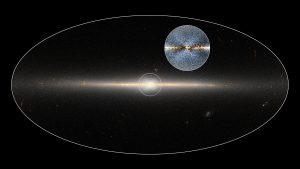
Una nuova comprensione della struttura della nostra galassia ha avuto inizio in un modo improbabile: su Twitter. Questa ricerca ha portato gli scienziati a confermare che il rigonfiamento centrale della Via Lattea forma una “X” di stelle. Lo studio utilizza i dati della missione WISE della NASA. Continua a leggere
Buchi neri in fuga
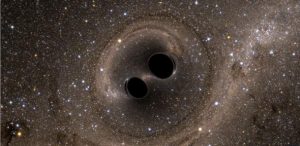
I ricercatori hanno sviluppato un nuovo metodo per individuare uno degli eventi più potenti e più misteriosi nell’Universo: un buco nero che viene espulso dalla sua galassia ospite nello spazio intergalattico a velocità fino a 5000 chilometri al secondo. Continua a leggere