Una Nidiata di Stelle Bambine
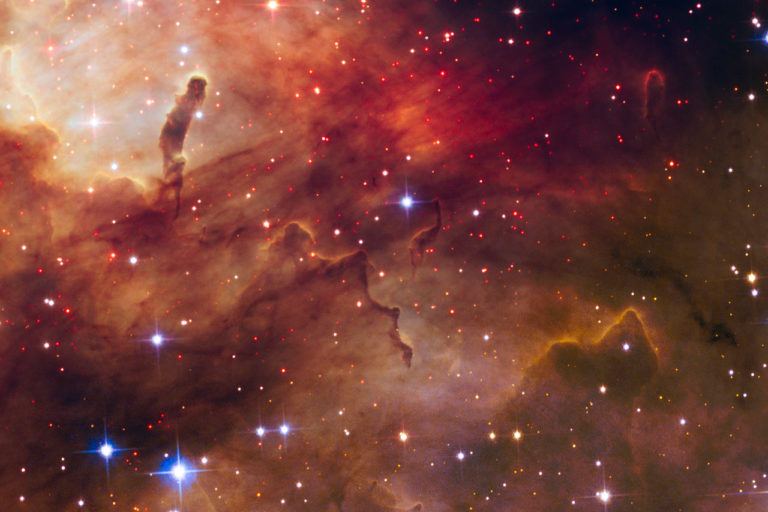
Questa splendida ripresa del telescopio Hubble mette in evidenza una parte delle nubi che circondano la famosa immagine dell’ammasso Westerlund 2, che contiene alcune delle stelle più calde, luminose e massicce conosciute, nella costellazione della Carena. Gli astri brillanti riversano torrenti di luce ultravioletta e intensi venti di particelle cariche che spazzano e scavano l’avvolgente nube di idrogeno gassoso. Continua a leggere
Sirio e il Gabbiano
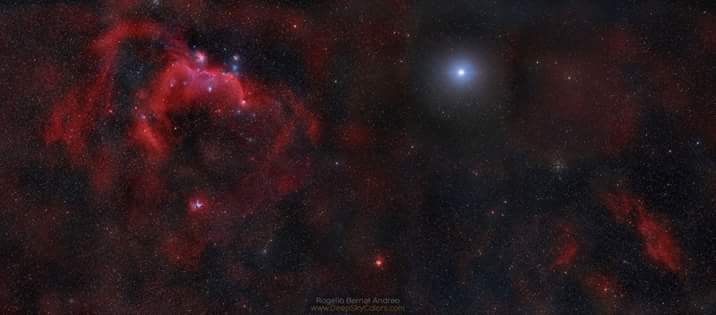
Questa ampia, spettacolare immagine si estende in cielo per quasi 20 gradi. La regione interessata è ricca di nebulosità e si trova vicino al confine della superbolla di Orione-Eridano, densa di gusci di gas e polveri incastonati nelle nubi molecolari vicino al piano della Via Lattea. Continua a leggere
NGC 6210: Una Delicata Bolla Blu
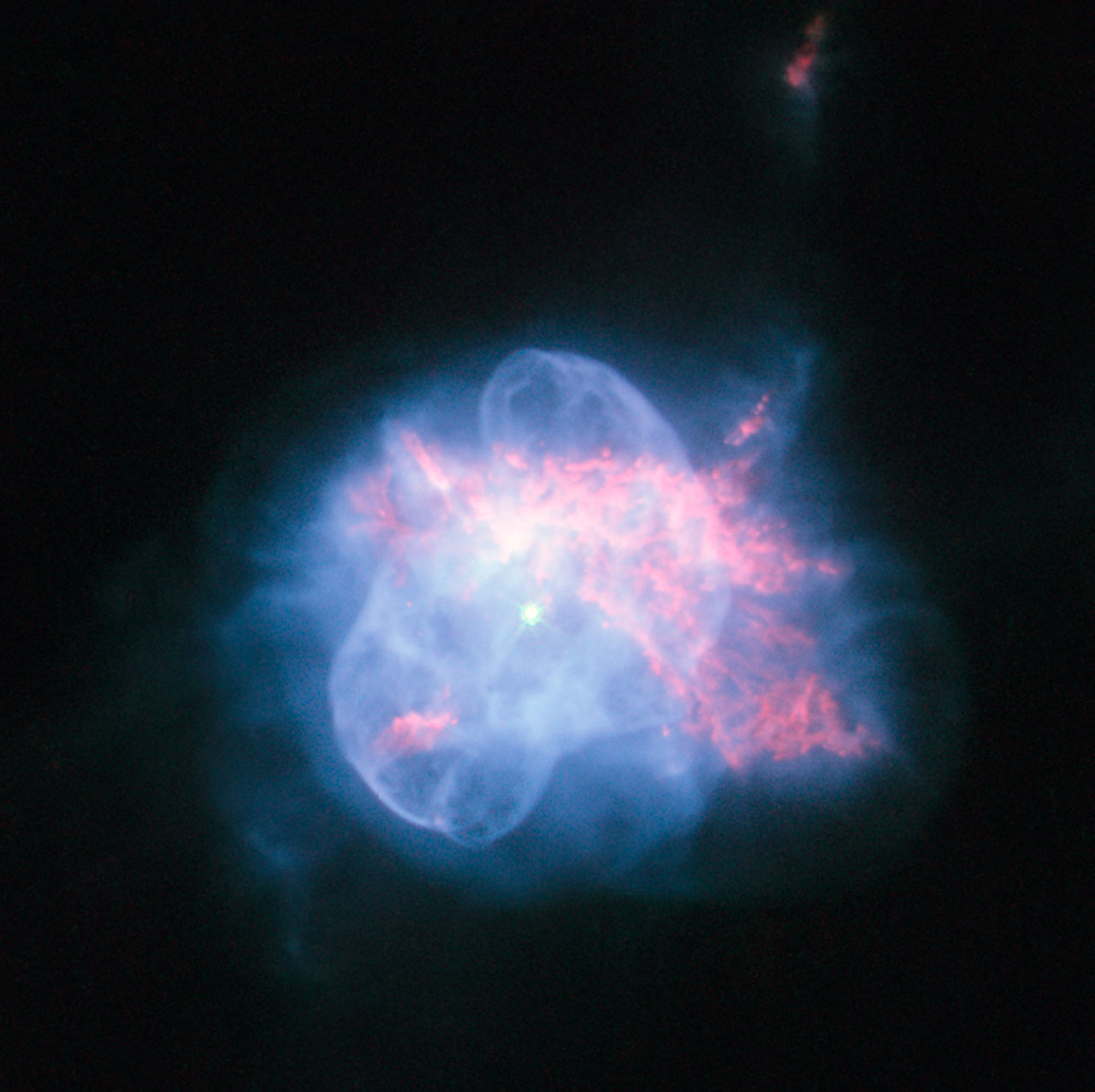
Questa straordinaria e curiosa nebulosa planetaria, NGC 6210, si trova a circa 6500 anni luce di distanza, nella costellazione di Ercole. È stata scoperta nel 1825 dall’astronomo tedesco Friedrich Georg Wilhelm Struve . Continua a leggere
È possibile la vita su Proxima b?
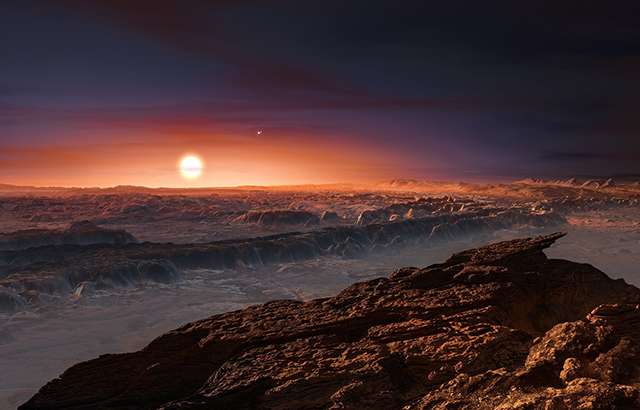 Uno studio del Blue Marble Institute of Space Science, pubblicato su Monthly Notices of the Royal Astronomical Society, analizza le condizioni favorevoli allo sviluppo della vita sul pianeta Proxima b, in orbita attorno alla stella più vicina al Sistema Solare, Proxima Centauri. Continua a leggere
Juno Immortala una “Perla” su Giove
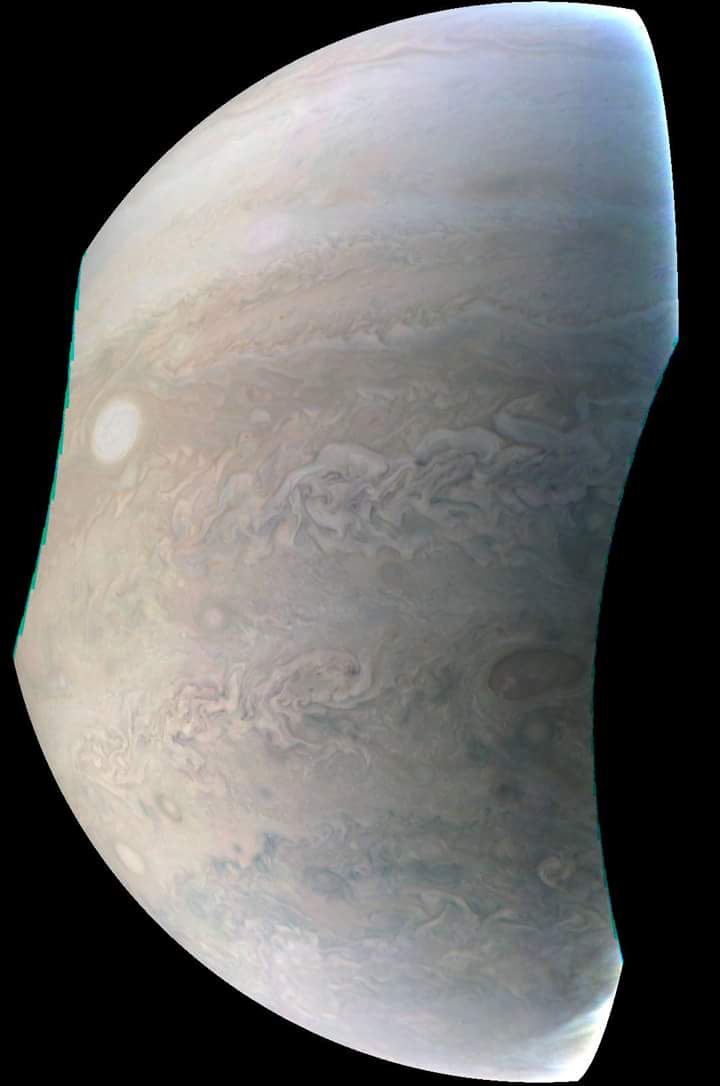 Questa splendida immagine, ripresa dalla camera JunoCam a bordo della sonda Juno della NASA, mette in evidenza una delle violente tempeste che appaiono come ovali biancastri nell’emisfero meridionale del gigante gassoso, formando quasi un “filo di perle” (string of pearls). Continua a leggere
La Nebulosa Laguna in Alta Definizione
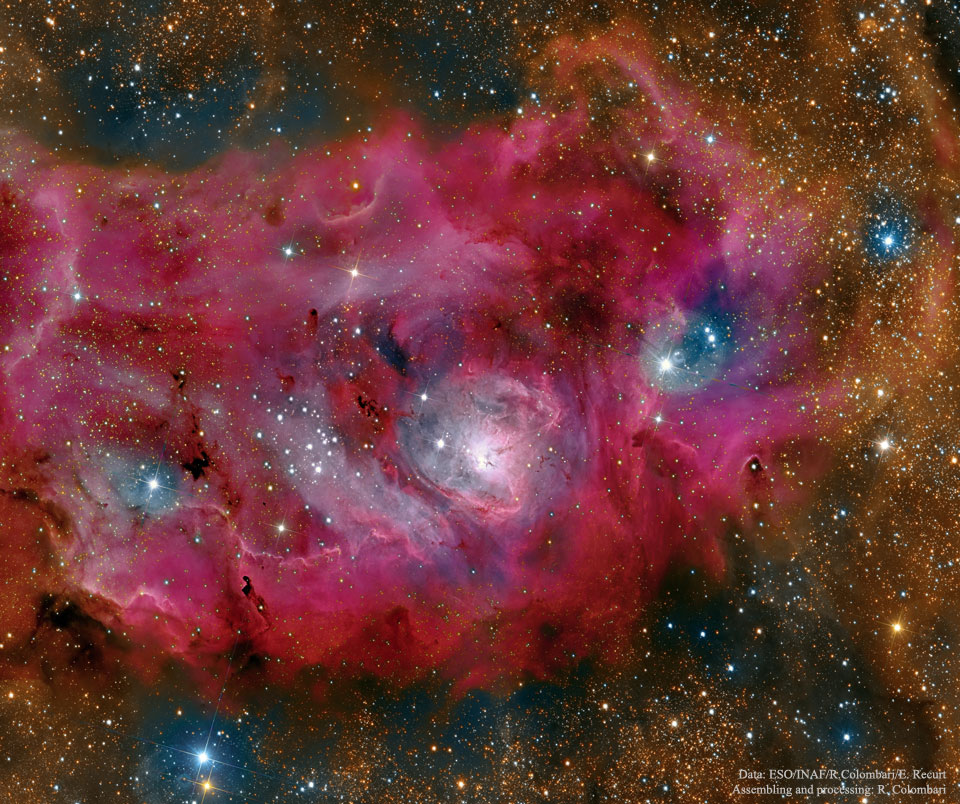
Le stelle combattono gas e polveri nella Nebulosa Laguna ma vincono… gli astrofotografi. Nota anche come M8, questa fotogenica e spettacolare nebulosa è visibile anche ad occhio nudo in direzione della costellazione del Sagittario. Continua a leggere
La Strana Coppia Stellare
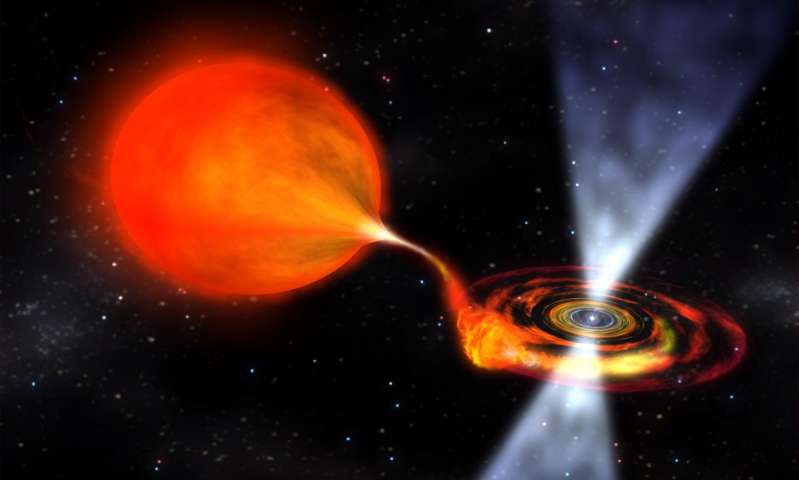
Un astrofisico e un astrofilo hanno collaborato per rivelare sorprendenti dettagli di un sistema binario, composto da una pulsar millisecondo e una stella compagna. Le osservazioni, i cui risultati sono stati pubblicati su Astrophysical Journal, rappresentano la prima identificazione di macchie stellari e di un forte campo magnetico sulla stella compagna e forniscono indizi fondamentali per comprendere il comportamento e l’evoluzione di sistemi binari così particolari. Continua a leggere
Due nuovi esopianeti in formazione
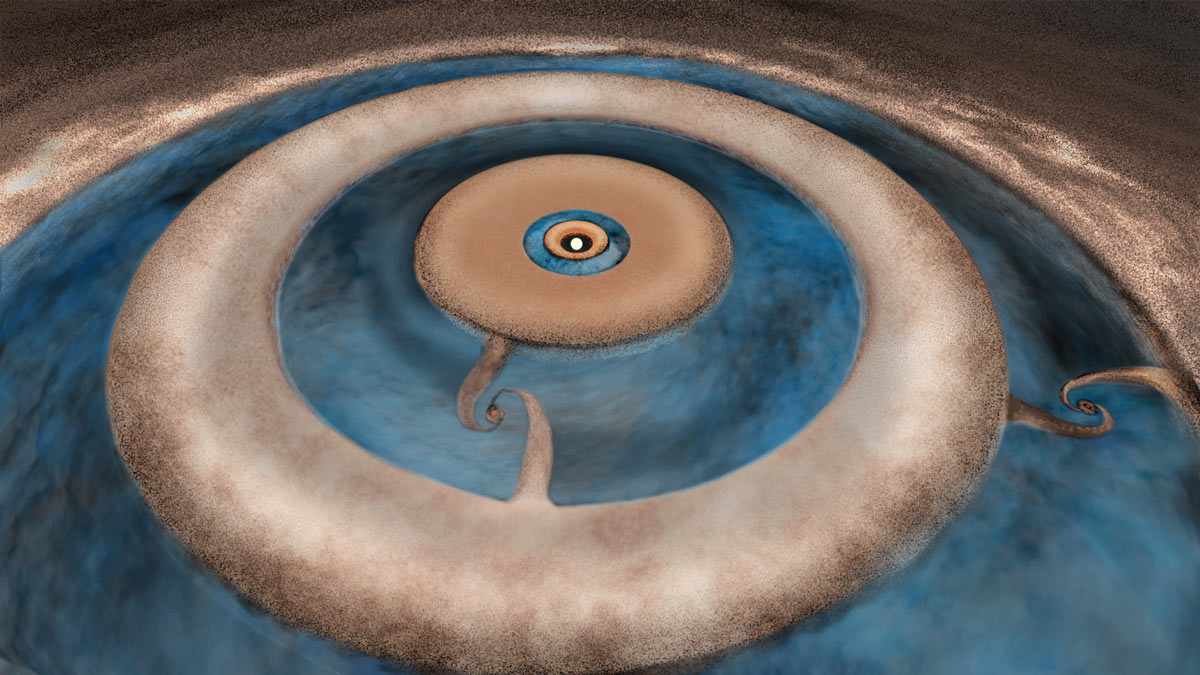
Uno studio internazionale condotto da astronomi della Rice University, utilizzando le osservazioni del telescopio ALMA, ha analizzato la distribuzione di gas e polveri presenti nel disco attorno alla stella HD 163296, a circa 400 anni luce di distanza dalla Terra. Sono stati individuati tre solchi nel disco protoplanetario, regioni prive di polveri in cui potrebbero formarsi nuovi pianeti. Continua a leggere
Gioielli del Cielo Australe
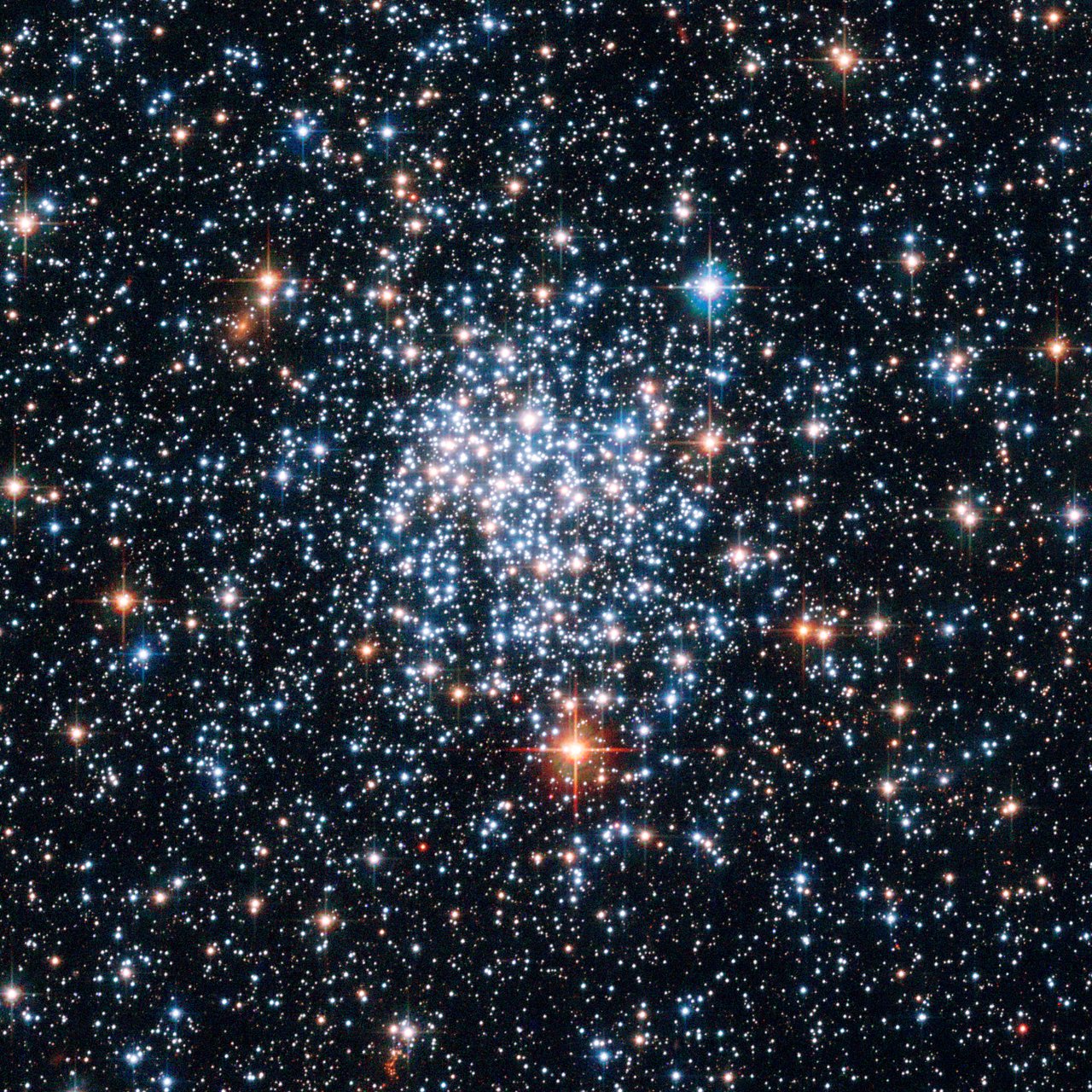 In questa straordinaria immagine ripresa dal telescopio Hubble l’ammasso stellare aperto NGC 265 s’illumina del bagliore di una miriade di stelle, simili a pietre preziose. Continua a leggere
Venti di rubini e zaffiri sull’esopianeta
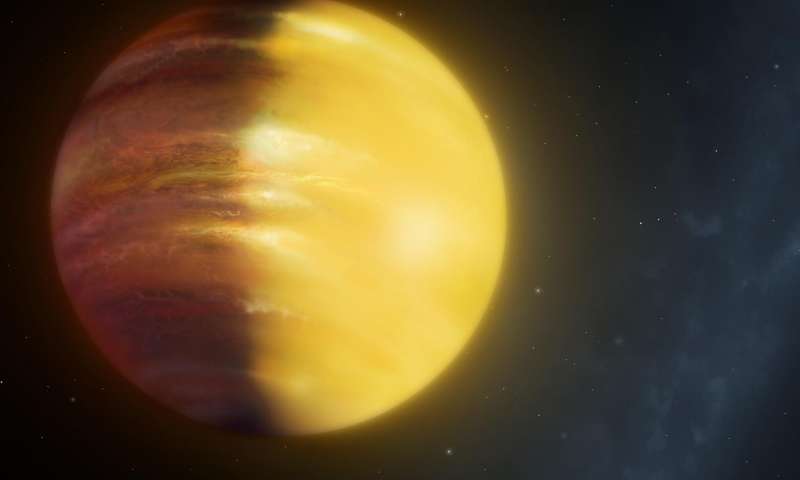
Una nuova ricerca condotta dall’Università di Warwick ha rilevato segnali di possenti correnti ventose d’intensità variabile in un pianeta gassoso 16 volte più grande della Terra, ad oltre 1000 anni luce di distanza. Continua a leggere