Astronews
Pianeti gioviani non così solitari come si pensava
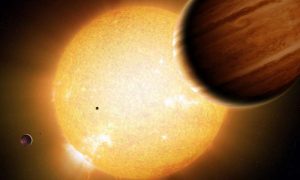
Dopo aver analizzato quattro anni di osservazioni del telescopio Kepler, uno studio di astronomi dell’University of Toronto ha permesso una comprensione ancora più chiara di una classe di esopianeti chiamata “warm jupiter”, pianeti gioviani caldi non tanto caldi quanto gli hot Jupiter, in quanto orbitano più lontano dalla loro stella, mostrando che molti di essi hanno compagni planetari inaspettati. Continua a leggere
Due antiche supernove trasformarono la Terra?

L’esplosione di due supernove a 300 anni luce dalla Terra avvenuta pochi milioni di anni fa aumentò l’intensità dei raggi cosmici, la pioggia di particelle cariche che investono incessantemente il nostro pianeta. Secondo un nuovo studio, questo aumento avrebbe avuto conseguenze notevoli sia sulla chimica dell’atmosfera e i conseguenti cambiamenti climatici, sia sulle forme di vita, con un aumento del tasso di mutazioni genetiche, che potrebbe aver accelerato l’evoluzione. Continua a leggere
Sistemi di condizionamento per pianeti potenzialmente abitabili
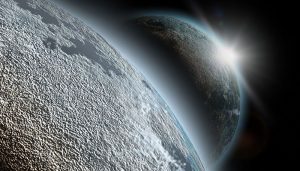
Gli astronomi dell’Università di KU Leuven, in Belgio, hanno dimostrato che l’interazione tra la superficie e l’atmosfera di un esopianeta ha importanti conseguenze sulla temperatura sul pianeta. Questa temperatura, a sua volta, è un elemento fondamentale nella ricerca di pianeti abitabili al di fuori del Sistema Solare. Continua a leggere
Un nuovo sguardo al potere dei buchi neri
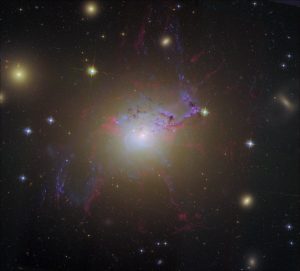
Dati provenienti da un satellite a raggi X ormai perduto stanno fornendo nuove informazioni sul complesso braccio di ferro tra galassie, plasma caldo che le circonda e buchi neri giganti che si nascondono nei loro centri. Continua a leggere
Una matrioska nel mezzo interstellare
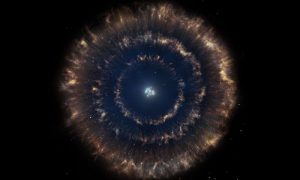
Un team di astronomi dell’Instituto de Astrofisica de Canarias (IAC) ha scoperto il primo caso conosciuto di tre resti di supernova uno dentro l’altro, quasi si trattasse di una matrioska, la nota bambola russa. Continua a leggere
Uno studio spiega perchè le galassie cessano la formazione stellare
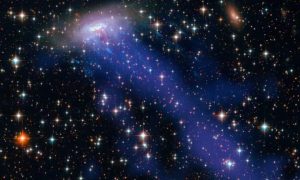
Le galassie presentano tre forme principali: ellittica, a spirale (come la Via Lattea) e irregolare. Possono essere giganti o nane, blu o rosse: le galassie blu stanno ancora formando attivamente stelle, quelle rosse per lo più invece no, e sono considerate passive. Continua a leggere
Un’esplosione stellare rivela la “linea di neve” dell’acqua
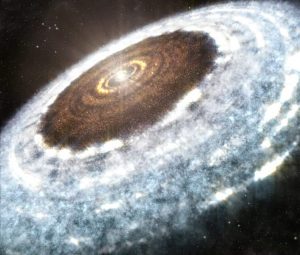
ALMA (Atacama Large Millimeter/submillimeter Array) ha osservato per la prima volta la “linea di neve” dell’acqua all’interno di un disco protoplanetario. Questa linea segna il punto in cui la temperatura del disco che circonda una giovane stella scende abbastanza perché si formi la neve. Continua a leggere
Lo sguardo più profondo in Orione
 Questa spettacolare immagine ripresa dal telescopio VLT dell’ESO scruta in profondità nel cuore della Nebulosa di Orione, come mai prima d’ora, rivelando un numero di nane brune e oggetti isolati di massa planetaria circa dieci volte superiore a quelli già noti. La scoperta mette in discussione lo scenario ampiamente accettato della formazione stellare in Orione. Continua a leggere
Record di velocità di rotazione per una nana bruna
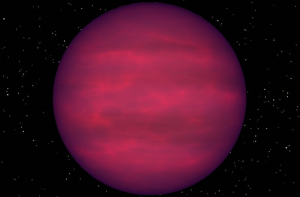
Gli astronomi hanno individuato quella che potrebbe essere la nana bruna ultrafredda a più rapida rotazione mai osservata. Il periodo di rotazione super-veloce è stato misurato utilizzando il radiotelescopio di Arecibo, a Puerto Rico. Continua a leggere
Un buco nero clandestino potrebbe rappresentare una nuova popolazione
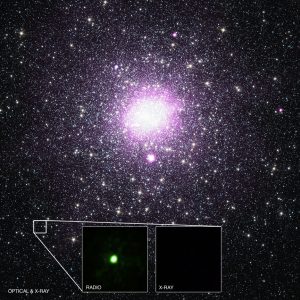 Gli astronomi hanno combinato i dati dell’osservatorio a raggi X Chandra della NASA, del telescopio spaziale Hubble e del Very Large Array (VLA) per concludere che una particolare sorgente di onde radio che si riteneva fosse una galassia lontana è in realtà un vicino sistema stellare binario contenente una stella di massa bassa e un buco nero. Questa identificazione suggerisce che ci potrebbero essere un gran numero di buchi neri passati inosservati finora nella nostra galassia. Continua a leggere