
Barbara Bubbi
Una Ghirlanda in Cielo
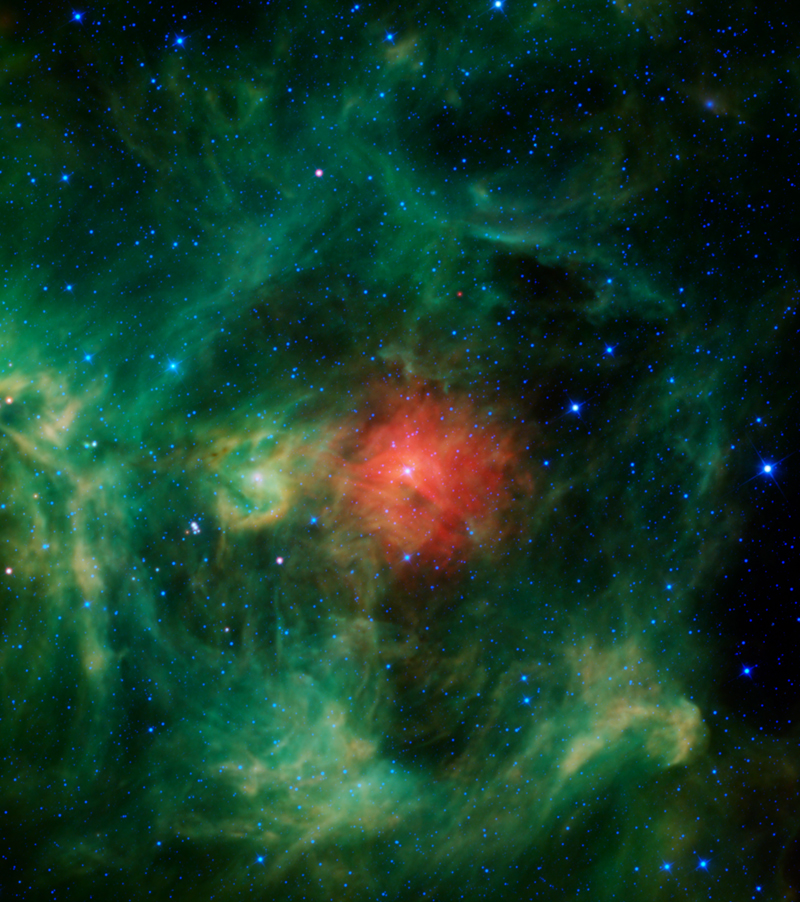
In perfetto spirito natalizio questa spettacolare nebulosa ripresa dal telescopio WISE della NASA ha l’aspetto allegro ed elegante di una festosa ghirlanda, ornata di un bel nastro rosso, sempreverde e lucine d’argento. Il nome ufficiale è Barnard 3 o IRAS G159.6-18.5, ma è stata soprannominata in modo appropriato, Nebulosa Ghirlanda. Nubi come questa sono nursery stellari, regioni in cui nascono nuove stelle. Continua a leggere
Ghiaccio ovunque su Cerere
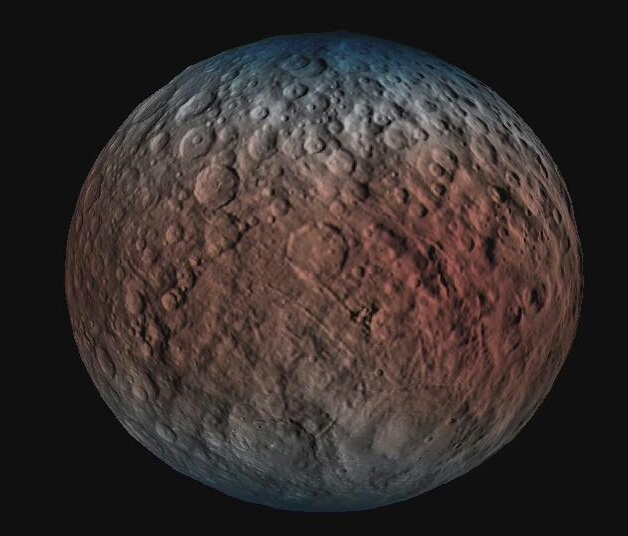
Le immagini di Cerere riprese dalla sonda Dawn della NASA hanno rivelato un mondo scuro, coperto di crateri, la cui zona più brillante è formata da sali altamente riflettenti. Ma anche se a prima vista può non sembrare, due nuovi studi dimostrano che il ghiaccio è presente ovunque sul pianeta nano. Continua a leggere
I pianeti esterni più comuni sono simili a Nettuno
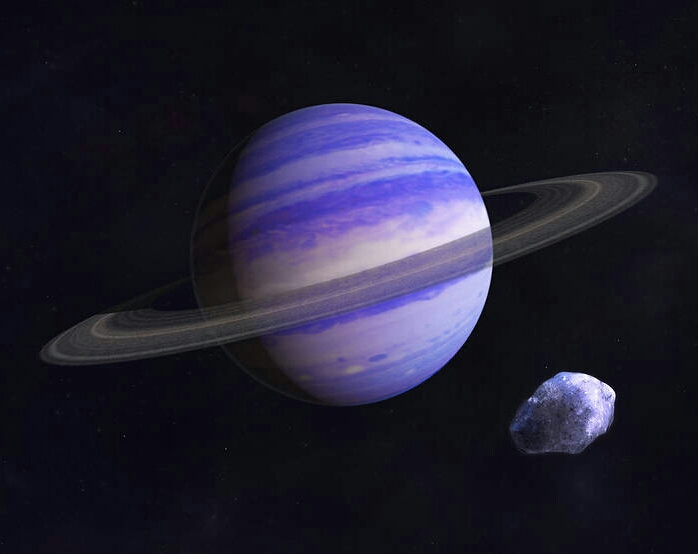
Un nuovo studio statistico basato su pianeti individuati grazie alla tecnica del microlensing gravitazionale suggerisce che i mondi con massa simile a Nettuno siano il tipo più comune di pianeti nelle regioni esterne dei sistemi planetari. Lo studio fornisce la prima indicazione del genere di pianeti in attesa di essere scoperti lontano dalla stella ospite, dove gli scienziati ritengono che la formazione planetaria sia più efficiente. Continua a leggere
La Galassia Ruota di Carro
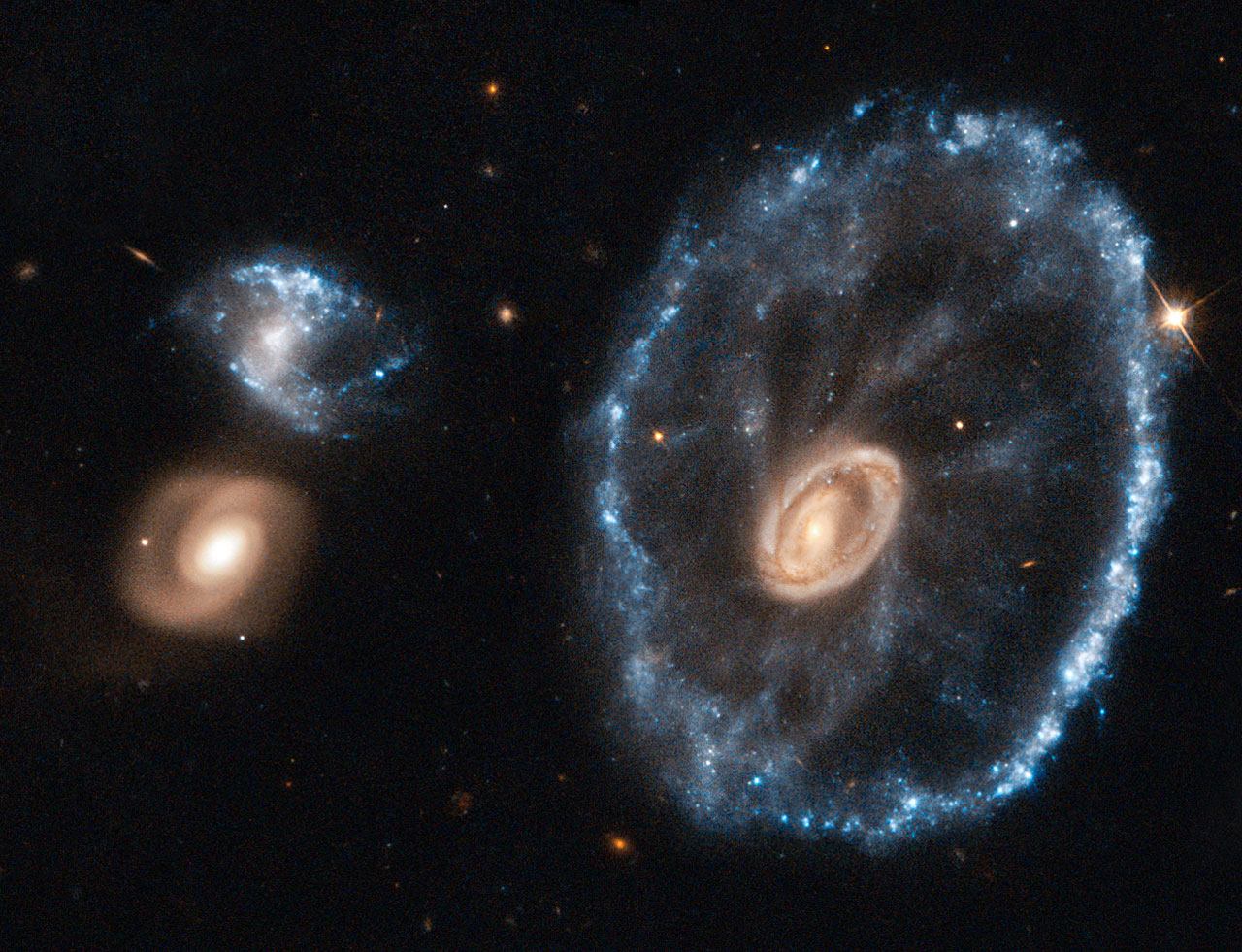
A circa 500 milioni di anni luce di distanza nella costellazione dello Scultore, la forma della Galassia Ruota di Carro (Cartwheel Galaxy) è il risultato di una collisione galattica violenta. Una galassia più piccola è passata attraverso il disco di una grande galassia e ha prodotto onde d’urto che hanno travolto gas e polveri, in modo simile alle increspature prodotte quando un sasso cade in un lago. Lo scontro titanico ha innescato nella regione intensi fenomeni di formazione stellare. Continua a leggere
La Nebulosa Crescente
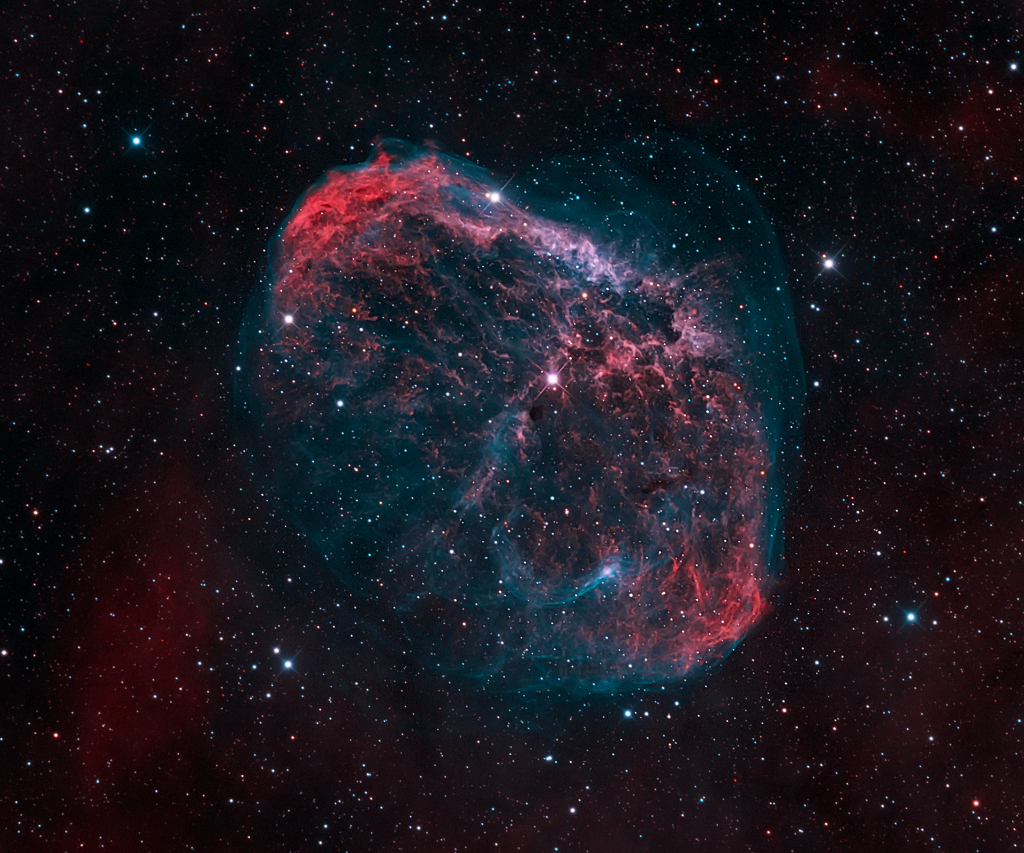 La Nebulosa Crescente, NGC 6888, è una straordinaria bolla cosmica ampia circa 25 anni luce, soffiata dai venti della brillante stella massiccia centrale. Continua a leggere
Uno sguardo ravvicinato a IC 5201
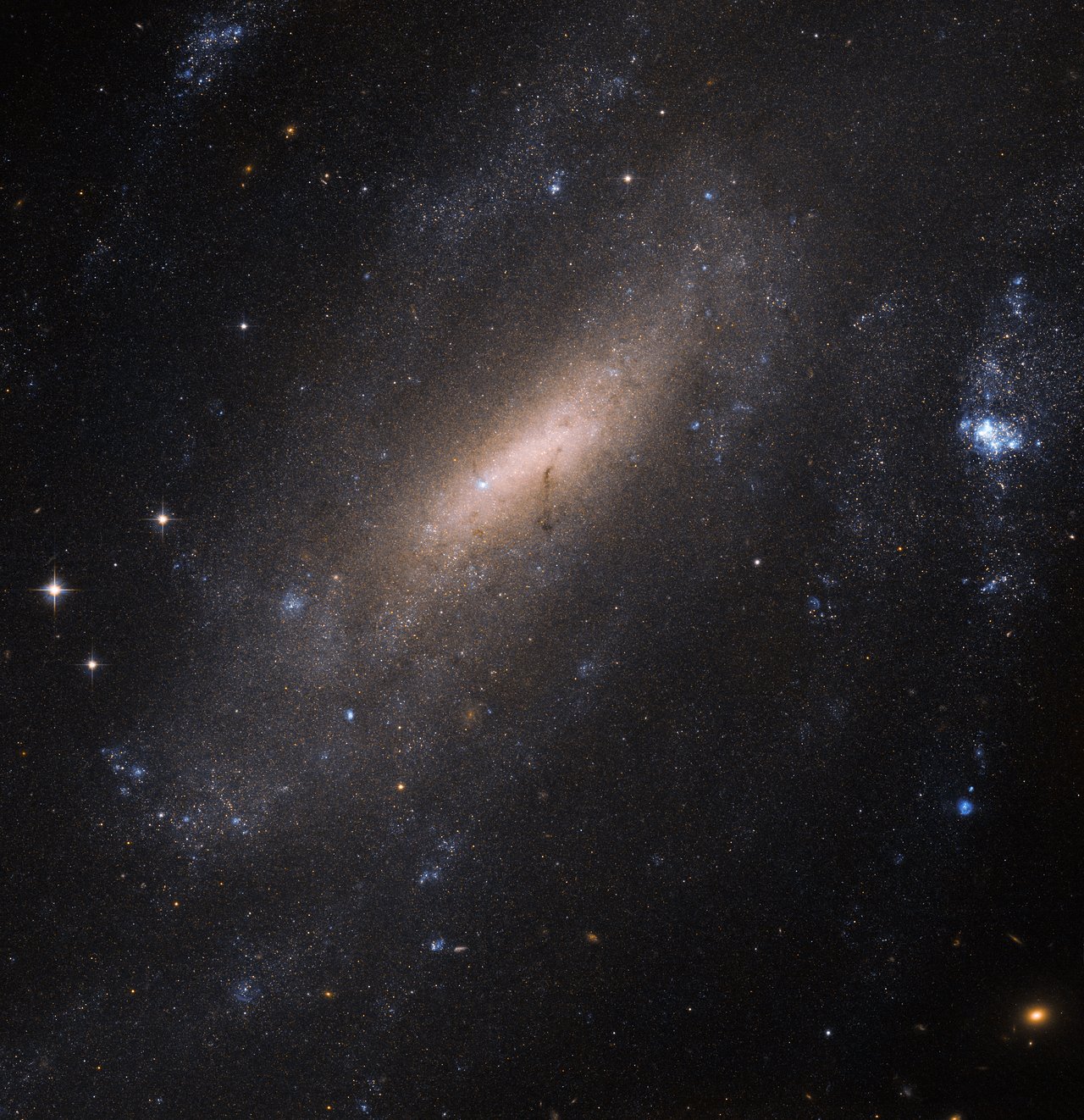
Nel 1900, utilizzando un telescopio all’Osservatorio di Cape Town in Sudafrica, l’astronomo Joseph Lunt ha individuato nella costellazione meridionale della Gru questo oggetto affascinante: una galassia a spirale barrata che ora si chiama IC 5201. Continua a leggere
Buchi neri a gogò
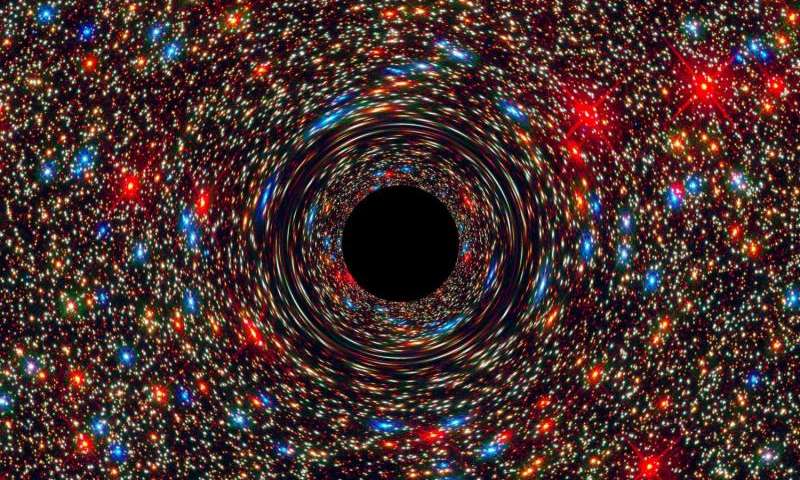
Un metodo di indagine sviluppato da ricercatori dell’University of Waterloo permetterà di raddoppiare in un paio d’anni il numero di buchi neri stellari noti, rilevando ogni anno dieci di questi oggetti affascinanti e misteriosi, secondo un nuovo studio pubblicato su The Astrophysical Journal. Continua a leggere
NGC 4762: Una Scia Luminosa in Cielo
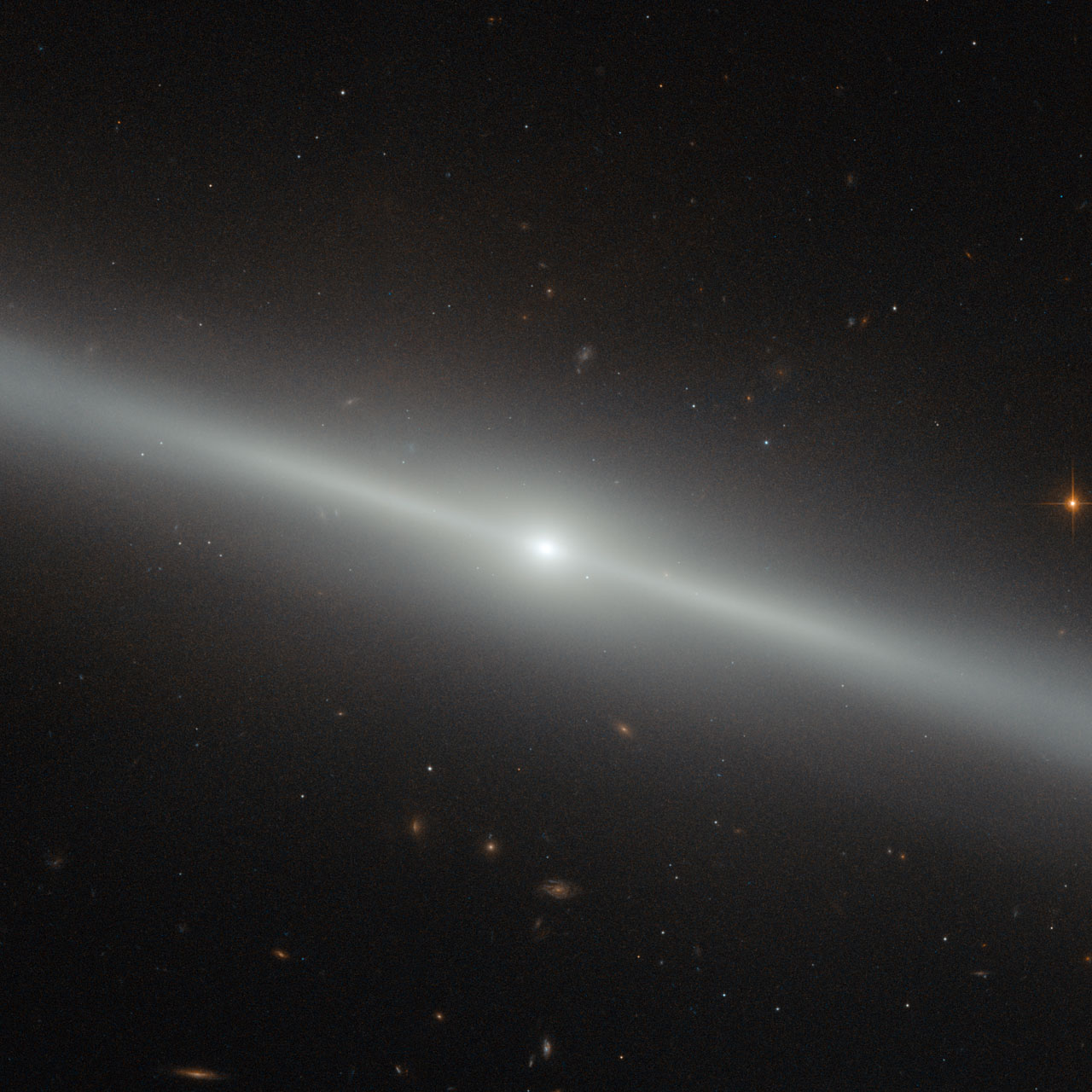
Questa straordinaria immagine del telescopio Hubble immortala una sorprendente galassia visibile di taglio, NGC 4762, tanto che appare simile ad una scia luminosa che percorre un silenzioso cammino nelle profondità del cosmo. Continua a leggere
Banchetto Stellare
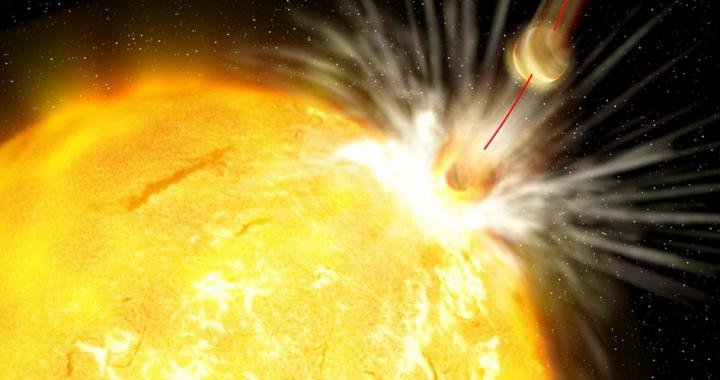 L’insolita composizione di una stella suggerisce che, in una sorta di banchetto cosmico, abbia ingoiato alcuni dei suoi pianeti. Lo studio è stato condotto da un team internazionale di scienziati, fra i quali ricercatori dell’University of Chicago, che hanno scoperto un raro sistema planetario in cui risplende una stella particolarmente vorace e simile al nostro Sole. Continua a leggere
Via Col Vento
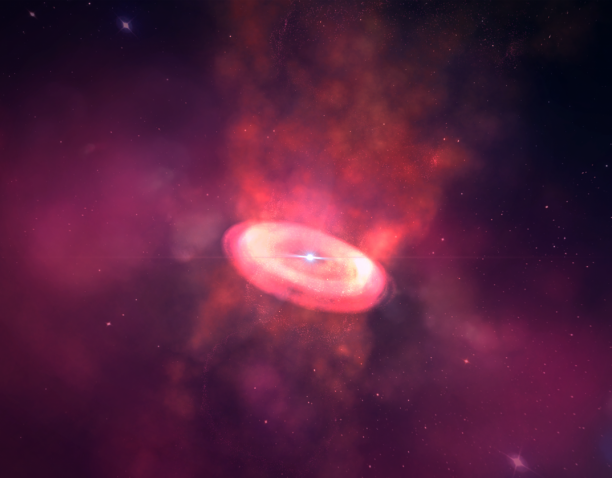 Vortici ventosi di gas accompagnano la nascita delle stelle. Questa è la conclusione di uno studio dei ricercatori del Niels Bohr Institute, University of Copenhagen, che hanno utilizzato il telescopio ALMA per osservare le fasi iniziali della formazione di un nuovo sistema solare. Continua a leggere