
Barbara Bubbi
Nuova luce sulle prime stelle dell’Universo
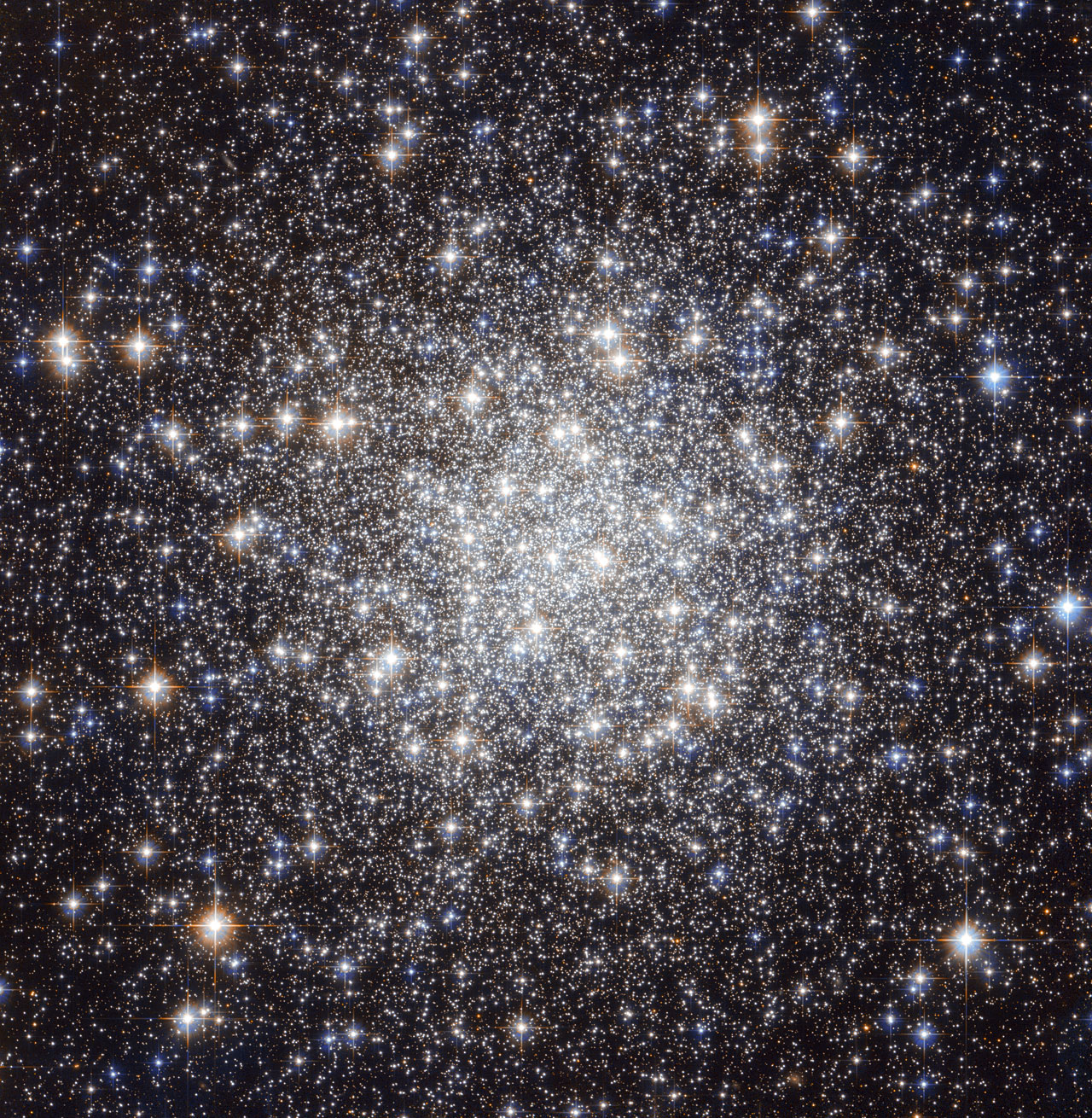
Un team di astronomi dell’Università di Notre Dame ha individuato quella che potrebbe essere la seconda generazione di stelle, rivelando nuovi indizi sulla natura dei primi astri nati nell’Universo. Continua a leggere
La Maestosa Galassia Sombrero
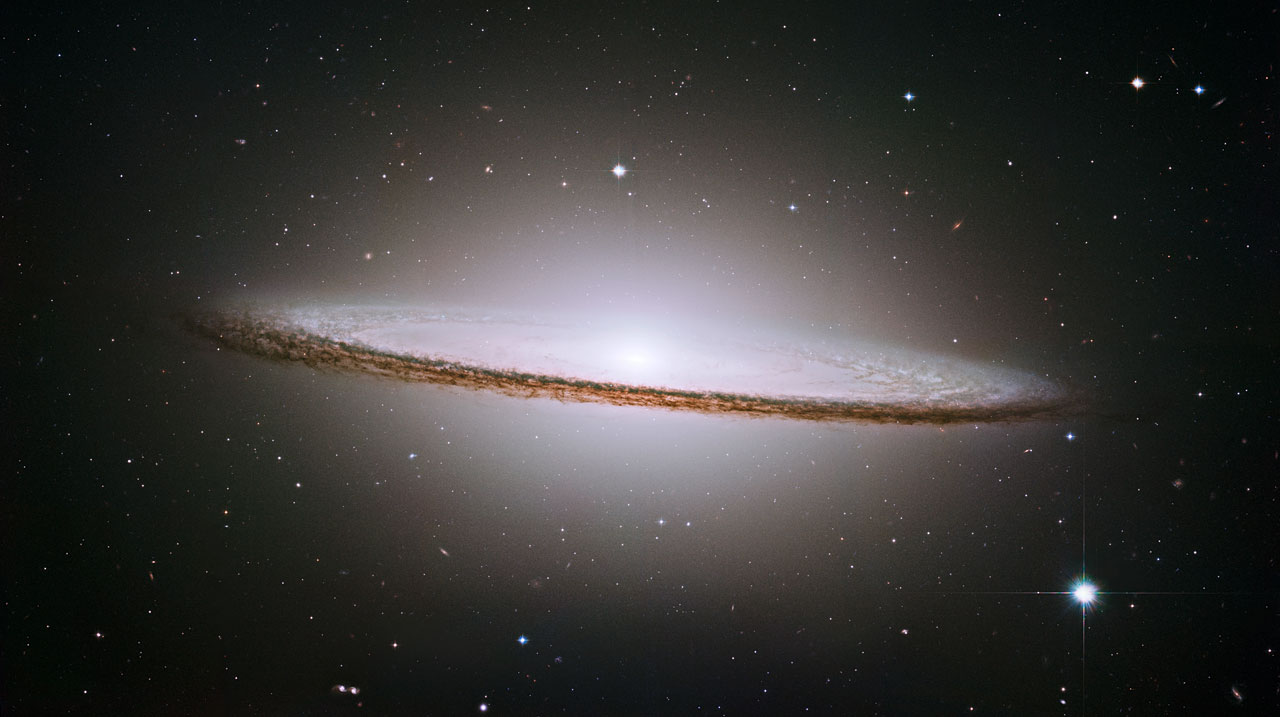
Ecco una delle galassie più imponenti e fotogeniche dell’Universo: la galassia Sombrero, Messier 104 (M104). Segno distintivo della galassia è un nucleo bianco brillante a bulbo circondato da spesse strisce di polvere che percorrono la struttura a spirale. Osservata dalla Terra, la galassia è inclinata quasi di taglio ed è stata chiamata Sombrero per la sua somiglianza con l’ampio cappello messicano. Continua a leggere
L’Ombra di Io
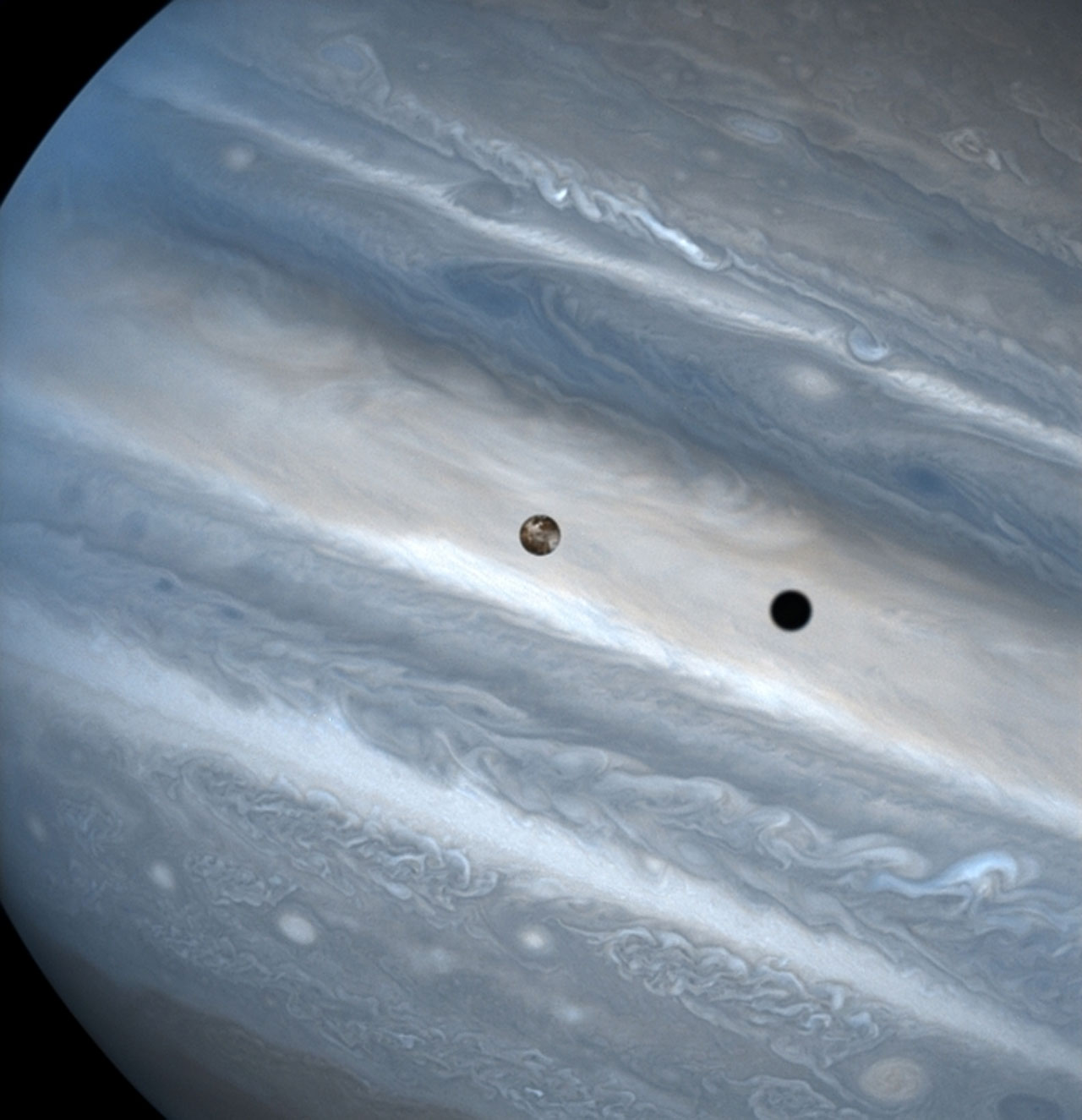
In questa straordinaria immagine sembra quasi che Io, una delle lune di Giove, stia passando rasente alle tempestose nubi del gigante gassoso, ma in realtà si trova ad una distanza di quasi 500.000 chilometri. Io ruota attorno a Giove ogni 1,8 giorni ed ha circa le dimensioni della nostra Luna, ma si trova 2000 volte più lontano da noi. Continua a leggere
La Calma Prima della Tempesta
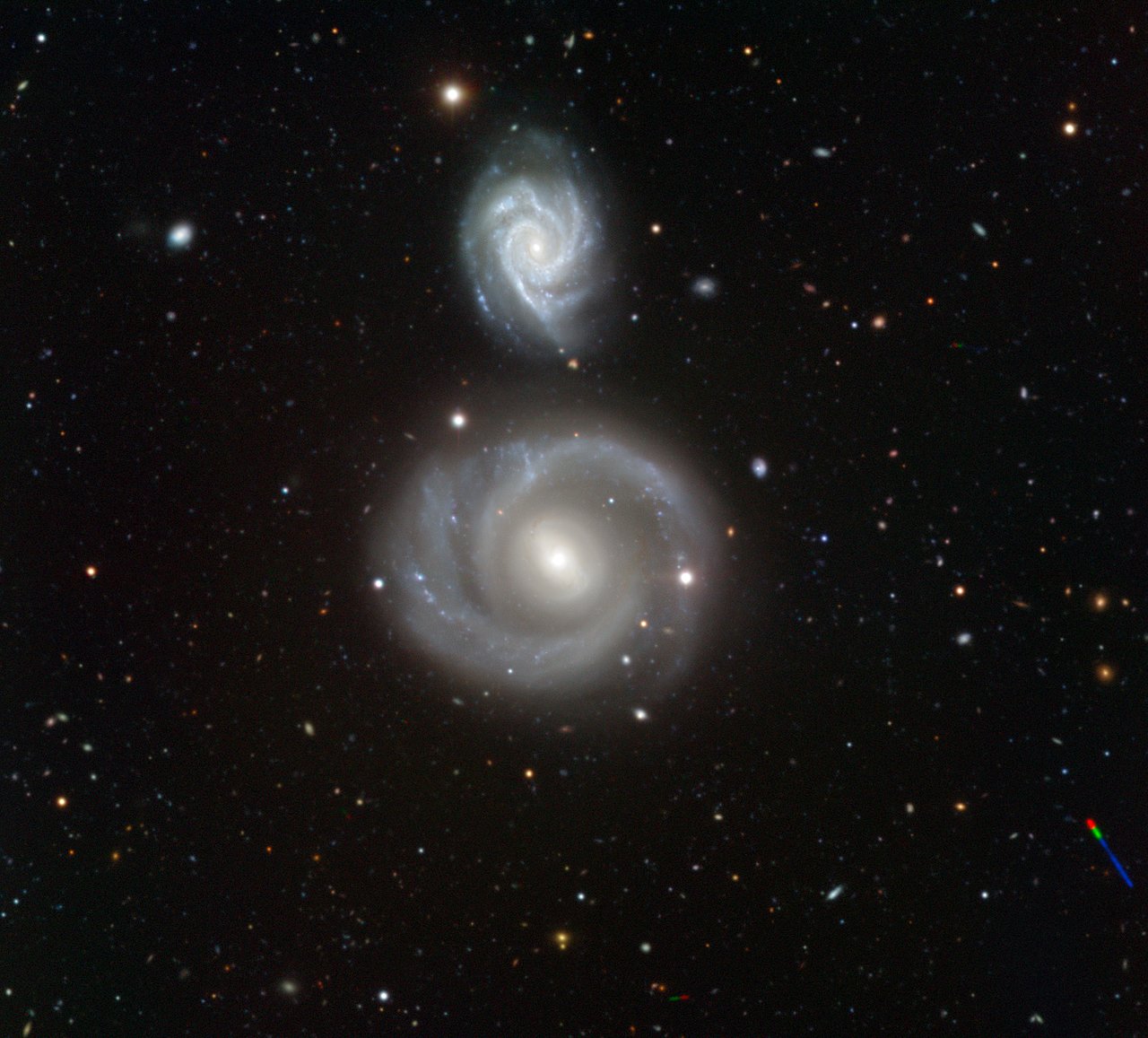
Grazie alla vista frontale con cui si presentano al nostro sguardo, possiamo ammirare la struttura dei caratteristici lunghi bracci che si dispiegano attorno al brillante nucleo centrale di queste due splendide galassie, NGC 799 e NGC 800. Continua a leggere
L’inattesa distribuzione omogenea della materia oscura
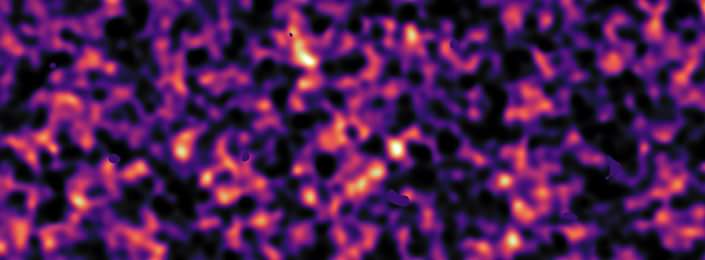
Le analisi di una nuova, gigantesca survey di galassie, realizzate con il telescopio VST (VLT Survey Telescope) dell’ESO, suggeriscono che la materia oscura possa essere meno densa e distribuita in maniera più omogenea nello spazio di quanto previsto. Un team internazionale ha utilizzato dati della Kilo Degree Survey (KiDS) per studiare come la luce proveniente da circa 15 milioni di galassie distanti venga influenzata dall’azione gravitazionale della materia sulle scale più vaste nell’Universo. Sembra che i risultati non siano in accordo con quelli precedenti del satellite Planck. Continua a leggere
Semi di pianeti
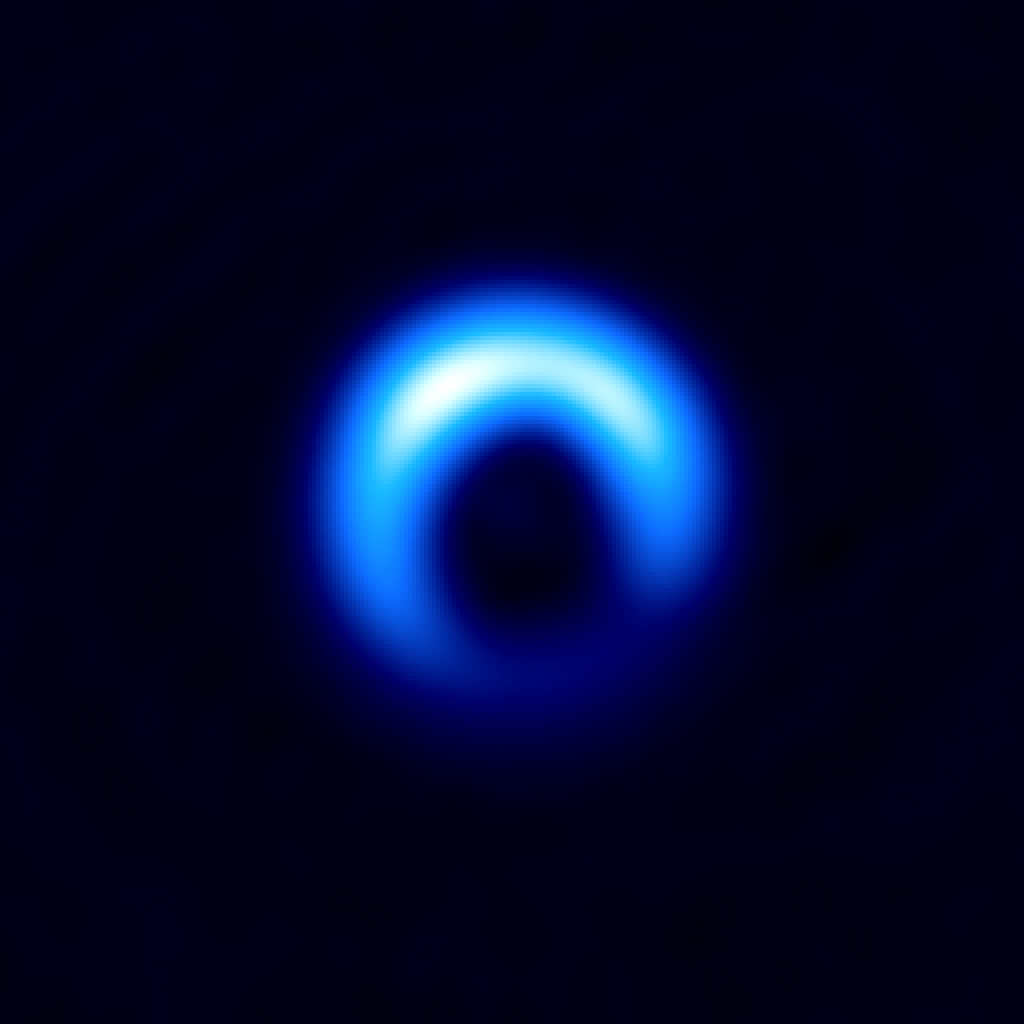
Utilizzando l’Atacama Large Millimeter/submillimeter Array (ALMA) un gruppo di ricercatori ha ottenuto per la prima volta una precisa misurazione delle piccole particelle di polvere presenti attorno ad una giovane stella. Si tratta di un passo importante per comprendere i meccanismi di formazione dei pianeti. Continua a leggere
Primo passaggio esterno per Cassini
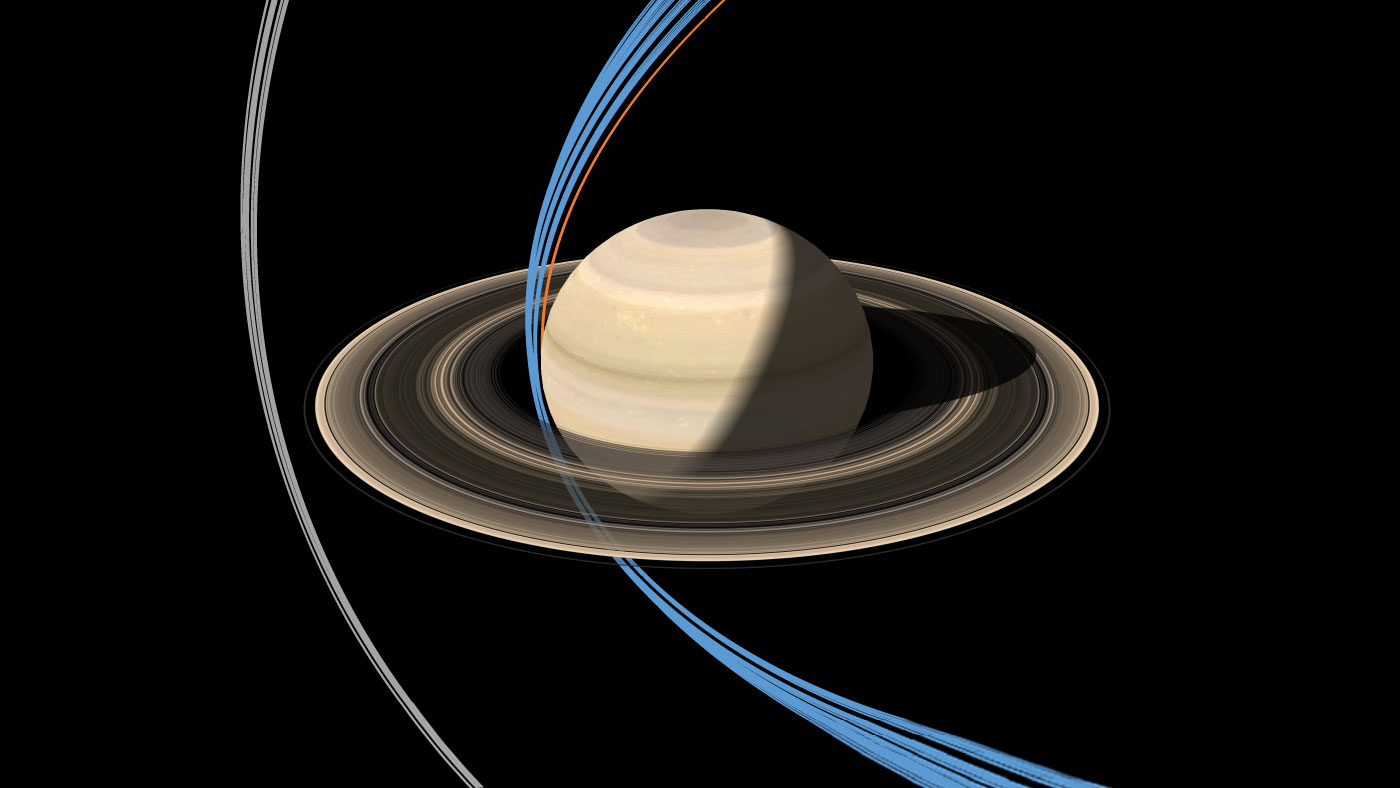
La sonda Cassini ha compiuto il primo passaggio ravvicinato al bordo esterno degli anelli di Saturno, dopo aver iniziato la penultima fase della sua gloriosa missione il 30 Novembre. Il 4 Dicembre alle ore 8:09 a.m. EST (14:09 ora italiana), Cassini ha attraversato il piano degli anelli ad una distanza di circa 91.000 chilometri (57.000 miglia) al di sopra della copertura nuvolosa di Saturno, dove si trova un debole anello polveroso prodotto dalle lune Giano ed Epimeteo, a soli 11.000 chilometri dal centro dell’anello F. Continua a leggere
Nuova galassia satellite per Messier 83
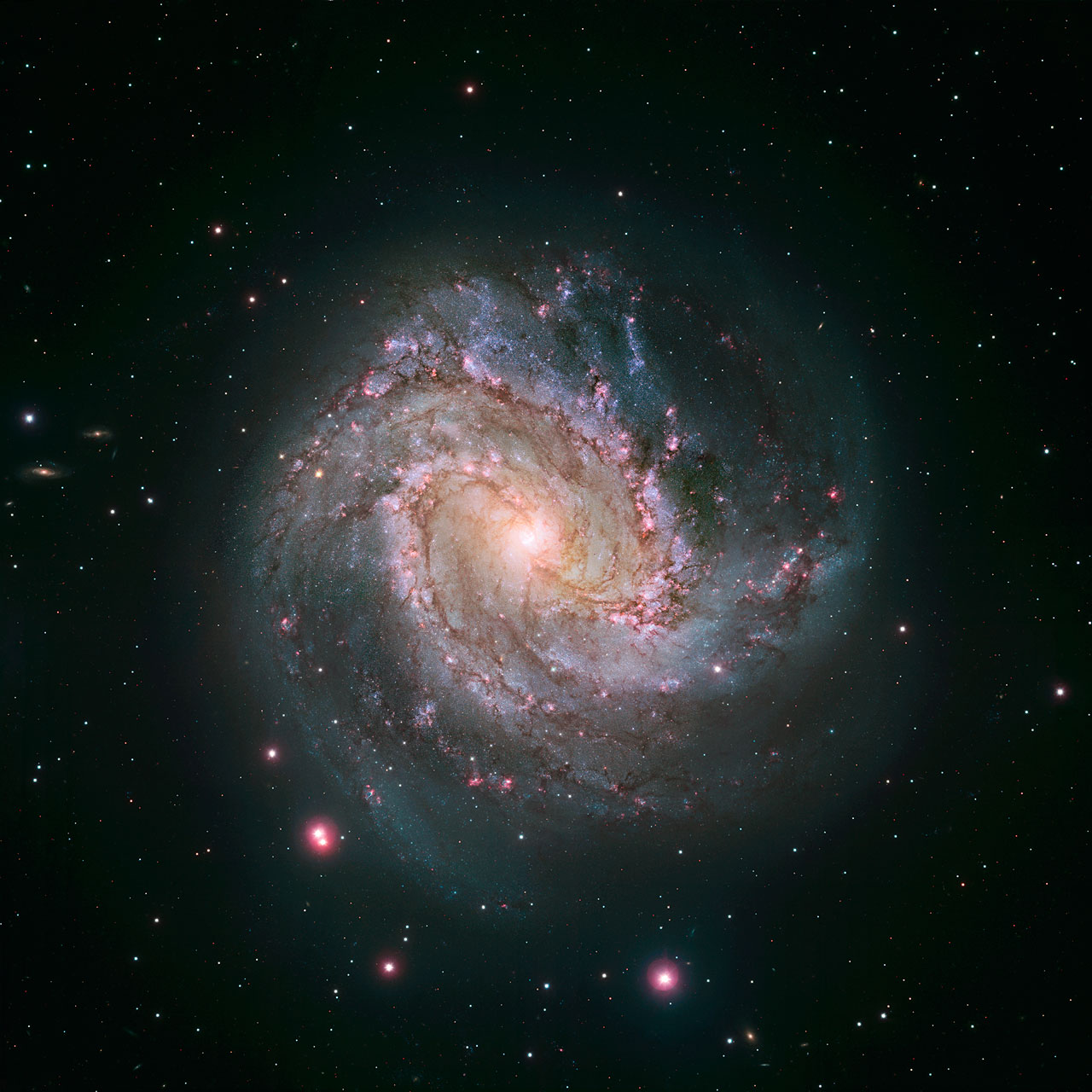
Gli astronomi hanno individuato un nuovo satellite nano di Messier 83, nota come Galassia Girandola del Sud (Southern Pinwheel Galaxy). La galassia satellite è localizzata a circa 85.000 anni luce dalla sua ospite ed è stata chiamata dw1335-29: potrebbe essere una galassia irregolare o una nana di transizione. Continua a leggere
Montagne della Creazione
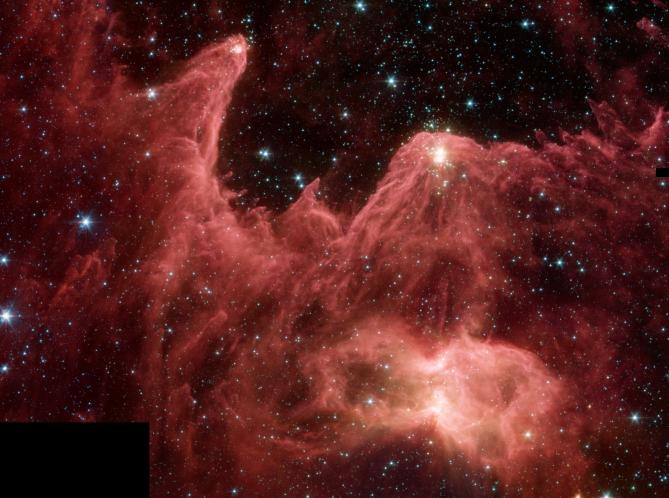
In questa maestosa immagine ripresa dal telescopio Spitzer possiamo ammirare pilastri simili a montagne dove nascono stelle. Soprannominate “Montagne della Creazione”, queste colonne di gas freddo e polveri sono illuminate sulla sommità dalla luce di calde stelle neonate. Continua a leggere
IC 3583: Una Spolverata Blu di Stelle
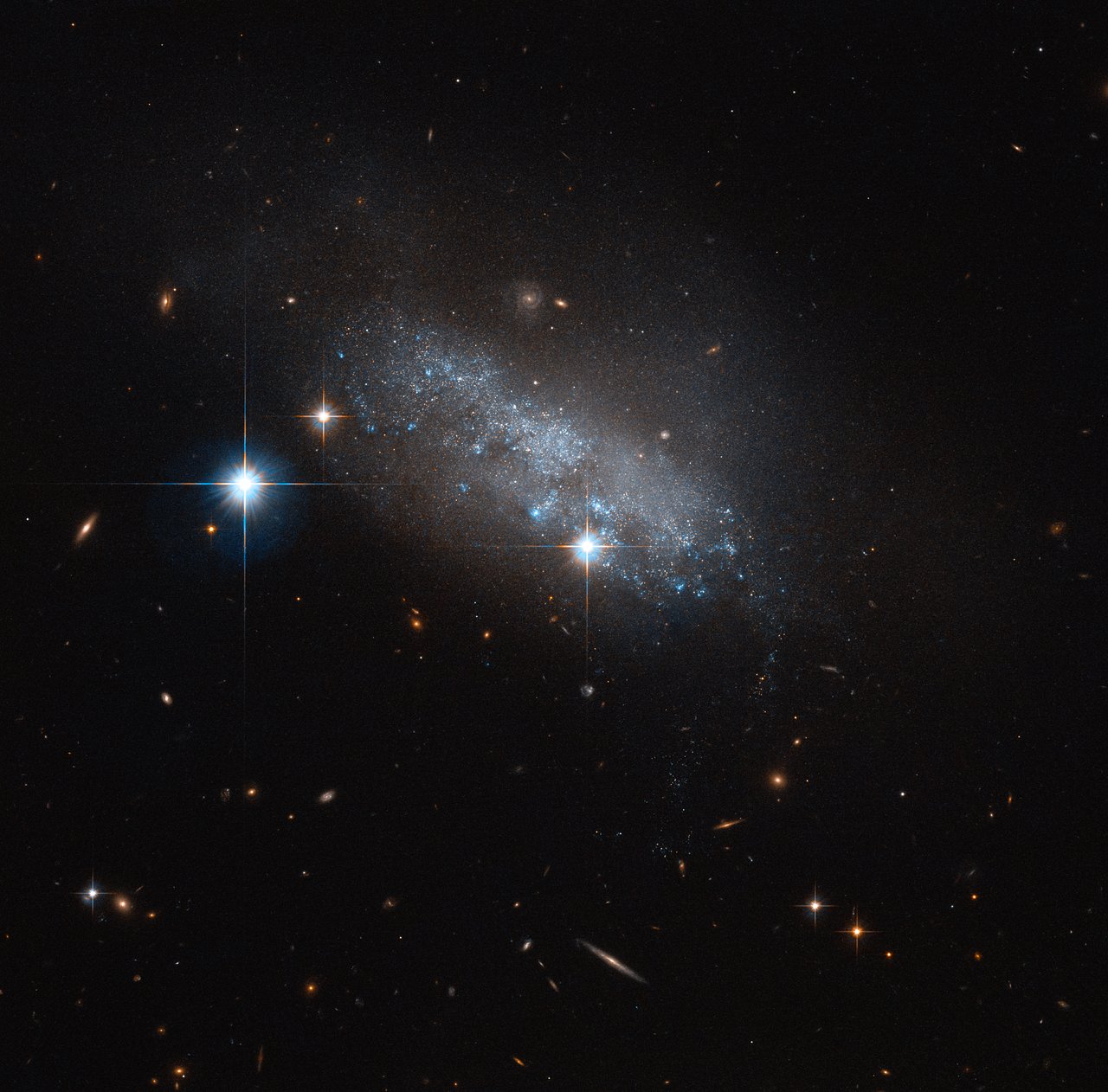
La straordinaria galassia ripresa in questa immagine del telescopio Hubble, chiamata IC 3583, ha l’aspetto delicato di una spolverata blu di stelle, un insieme di lucenti astri raccolti in un mirabile raggruppamento. Continua a leggere