
Barbara Bubbi
Il disco circumstellare più antico
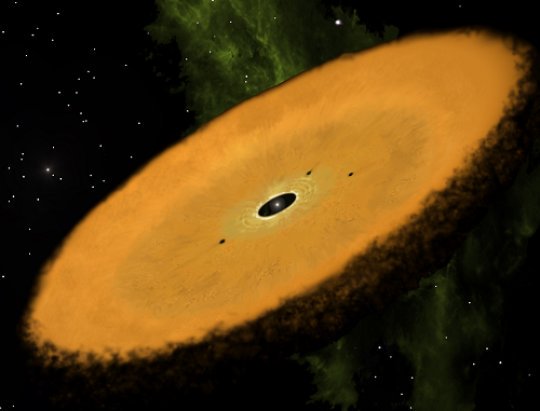
Un team di astronomi del Carnegie e di semplici appassionati ha scoperto una stella circondata dal più antico disco conosciuto, un anello di gas e polveri da cui potrebbero formarsi dei pianeti. Continua a leggere
Dipingere con la luce infrarossa
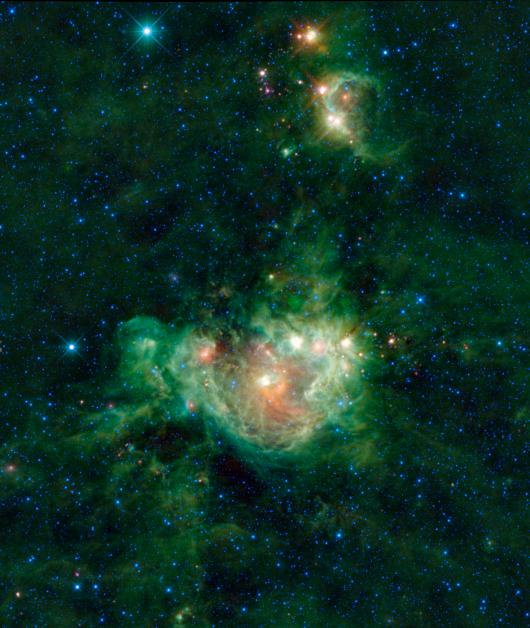
In modo simile ad un pittore, che dipinge paesaggi naturali con l’uso sapiente del colore e della luce, il telescopio WISE ha regalato al mondo immagini suggestive del cosmo rappresentando la luce infrarossa attraverso il colore. L’immagine della nebulosa NGC 2174 è un esempio perfetto. Continua a leggere
Hubble eXtreme Deep Field
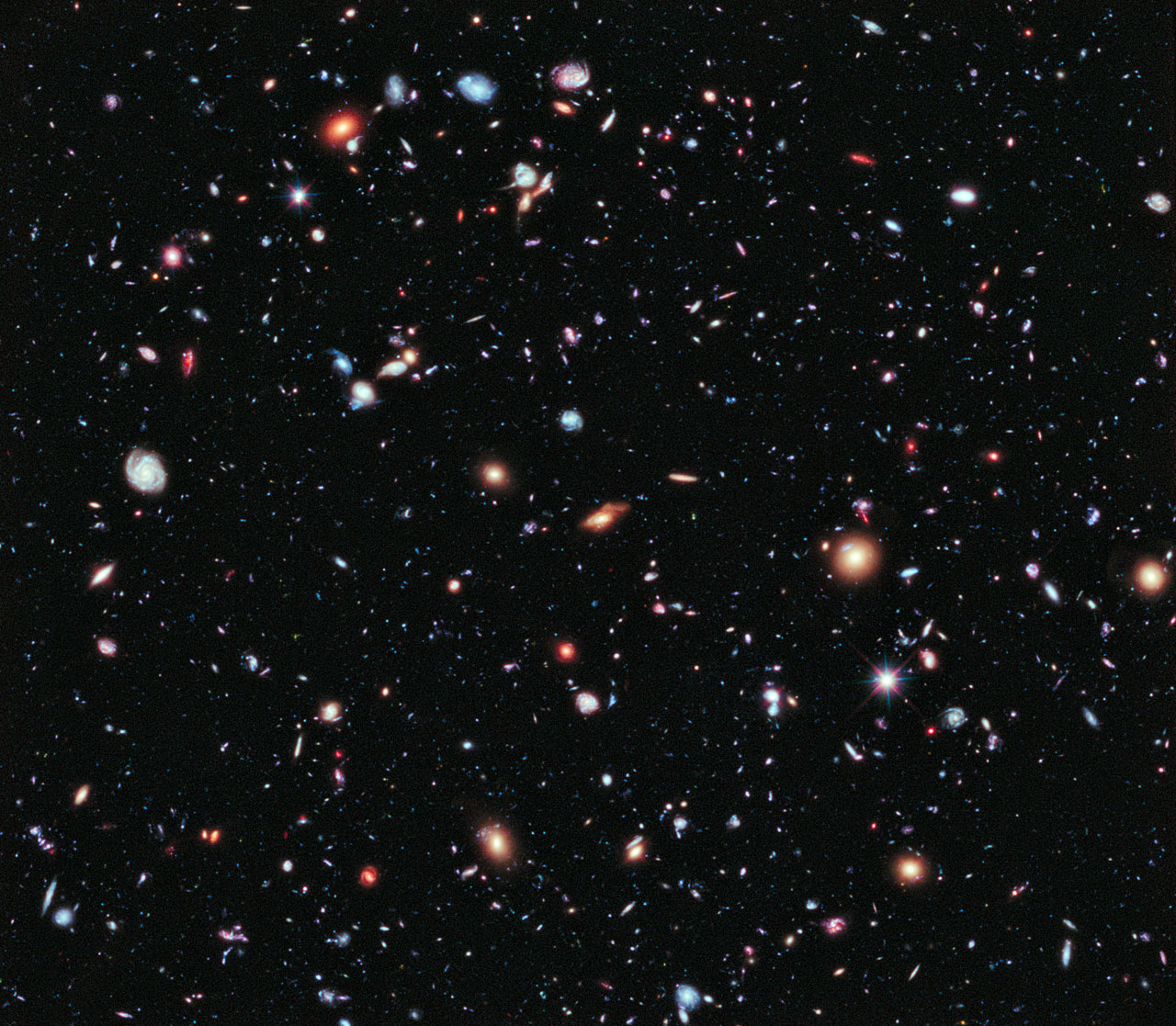
Questa immagine, denominata Hubble eXtreme Deep Field (XDF), combina osservazioni di Hubble di una piccola porzione di cielo nella costellazione della Fornace. Continua a leggere
ALMA Esplora il Campo Ultra-profondo di Hubble
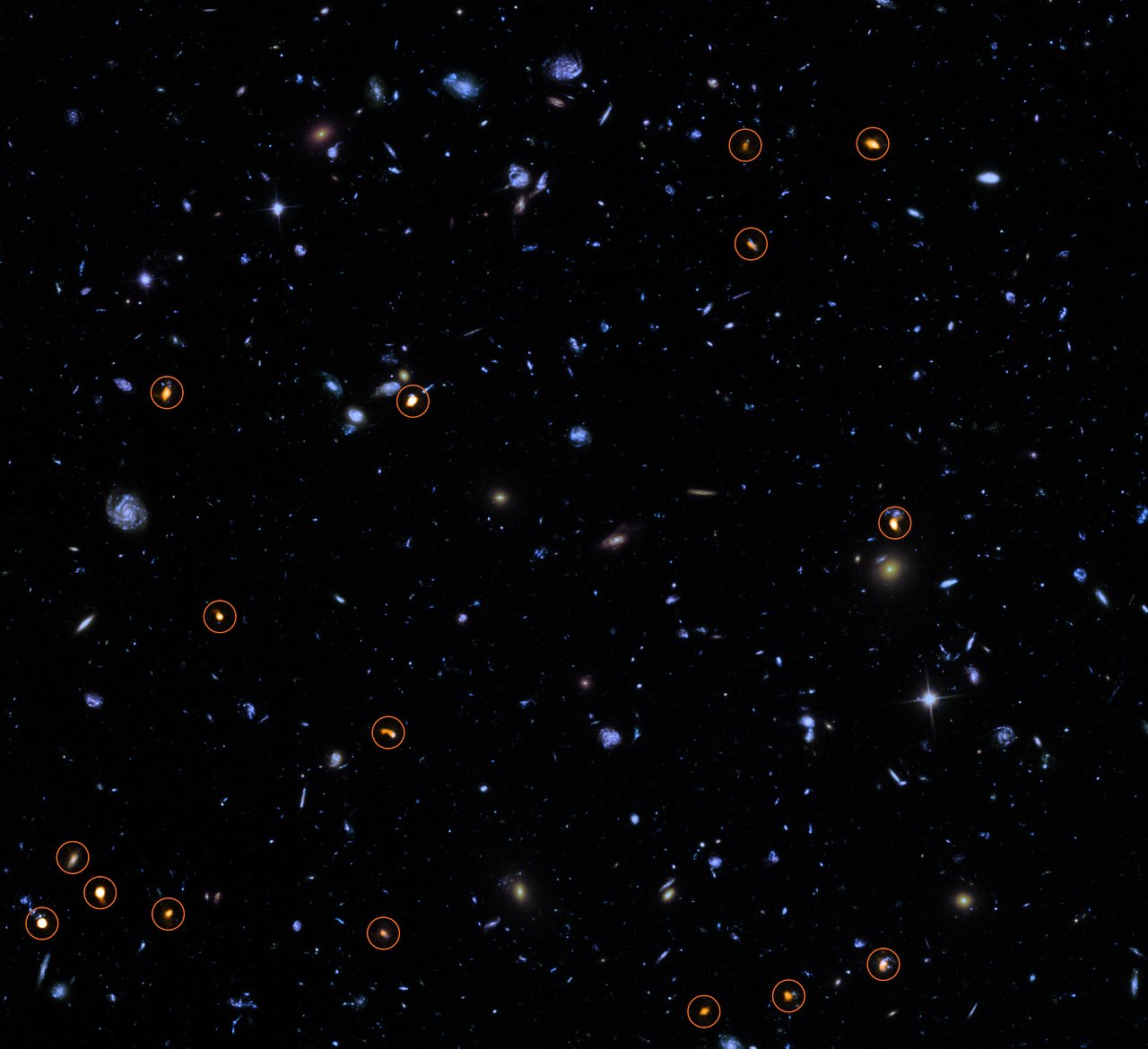
Gli astronomi hanno utilizzato l’Atacama Large Millimeter/submillimeter Array (ALMA) per esplorare gli angoli più remoti dell’Universo rivelati per la prima volta nell’immagine iconica del Campo Ultra-profondo di Hubble (Hubble Ultra Deep Field, HUDF). Continua a leggere
Una misteriosa antica spirale
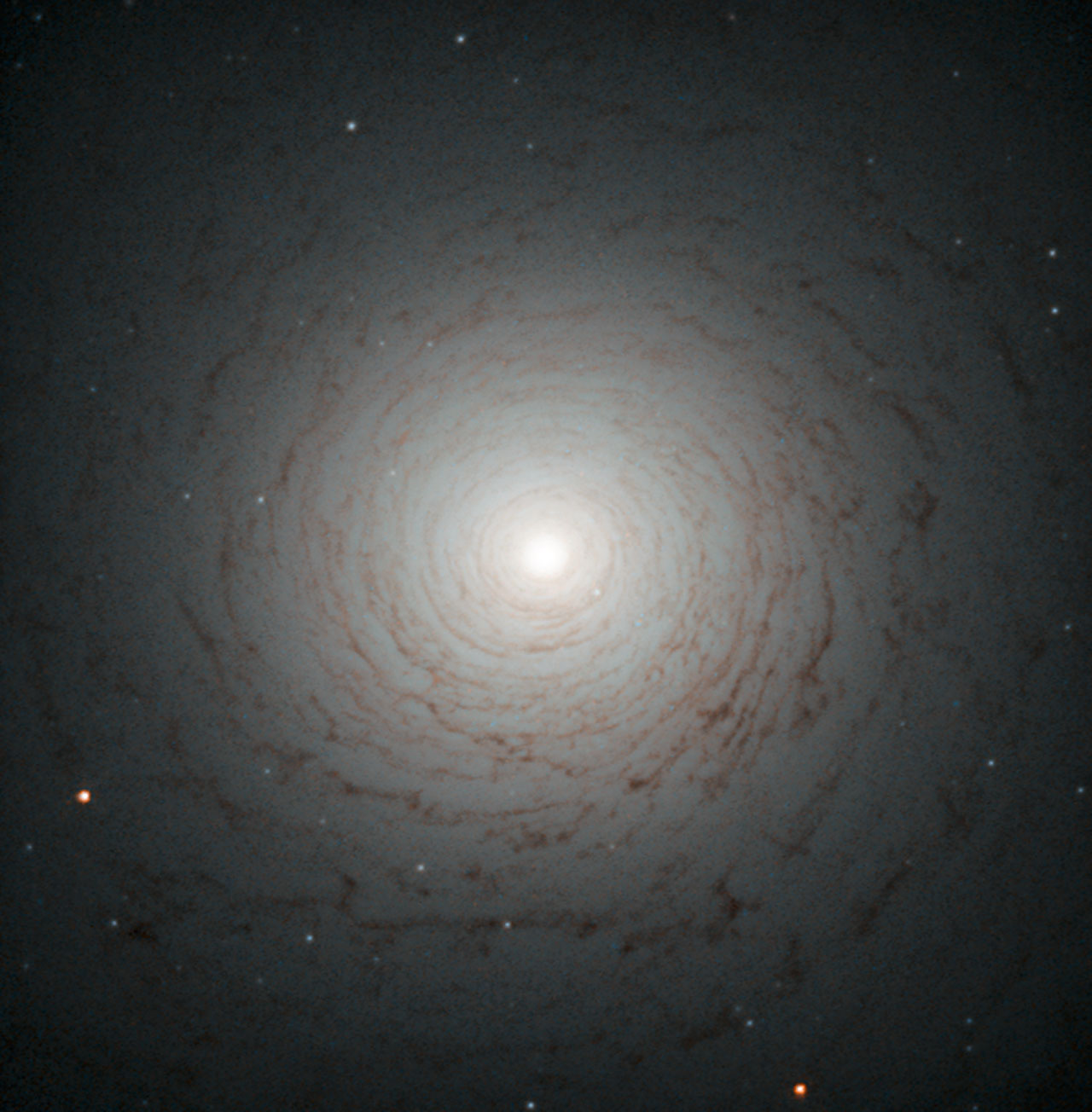
Questa spettrale immagine ripresa dal telescopio Hubble rivela l’impressionante centro della galassia NGC 524. È una galassia di tipo lenticolare, uno stadio intermedio nell’evoluzione galattica tra le ellittiche e le galassie a spirale; si trova nella costellazione dei Pesci, a circa 90 milioni di anni luce dalla Terra. Continua a leggere
Un raro resto fossile di una Via Lattea primordiale
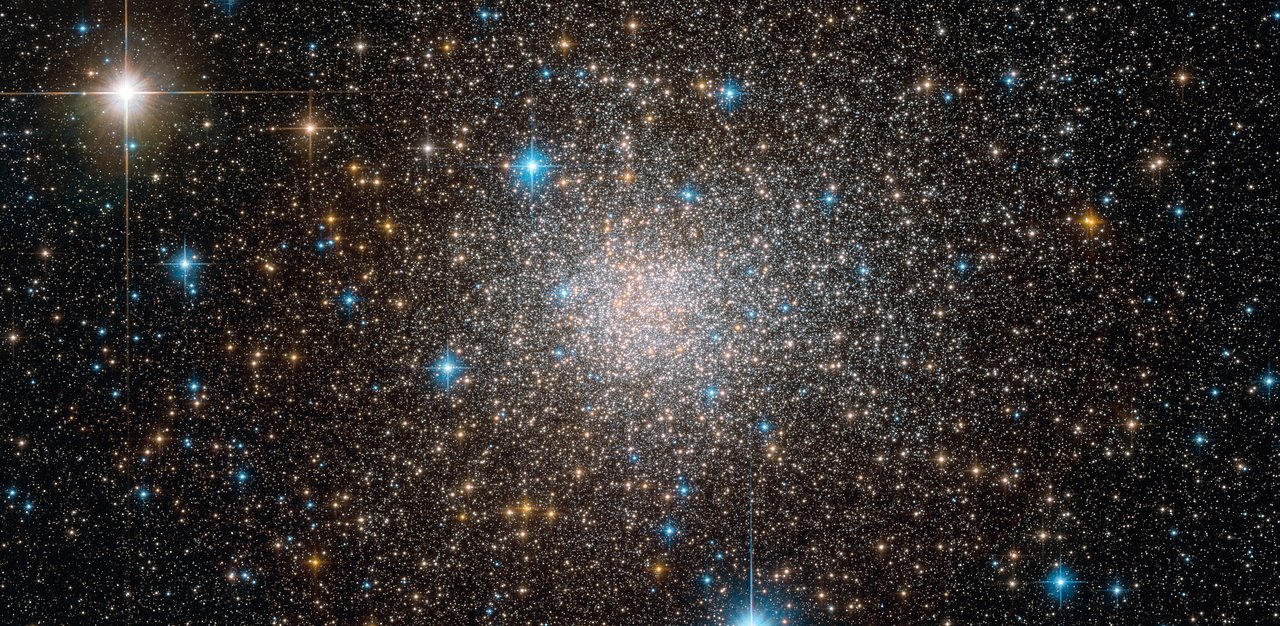
Un team internazionale di astronomi ha scoperto un resto fossile di una primordiale Via Lattea, al cui interno si trovano stelle di età molto differenti. Questo sistema stellare, Terzan 5, a 19.000 anni luce di distanza dalla Terra, ricorda un ammasso globulare, ma è diverso dagli altri ammassi globulari conosciuti. Continua a leggere
Un ammasso da record
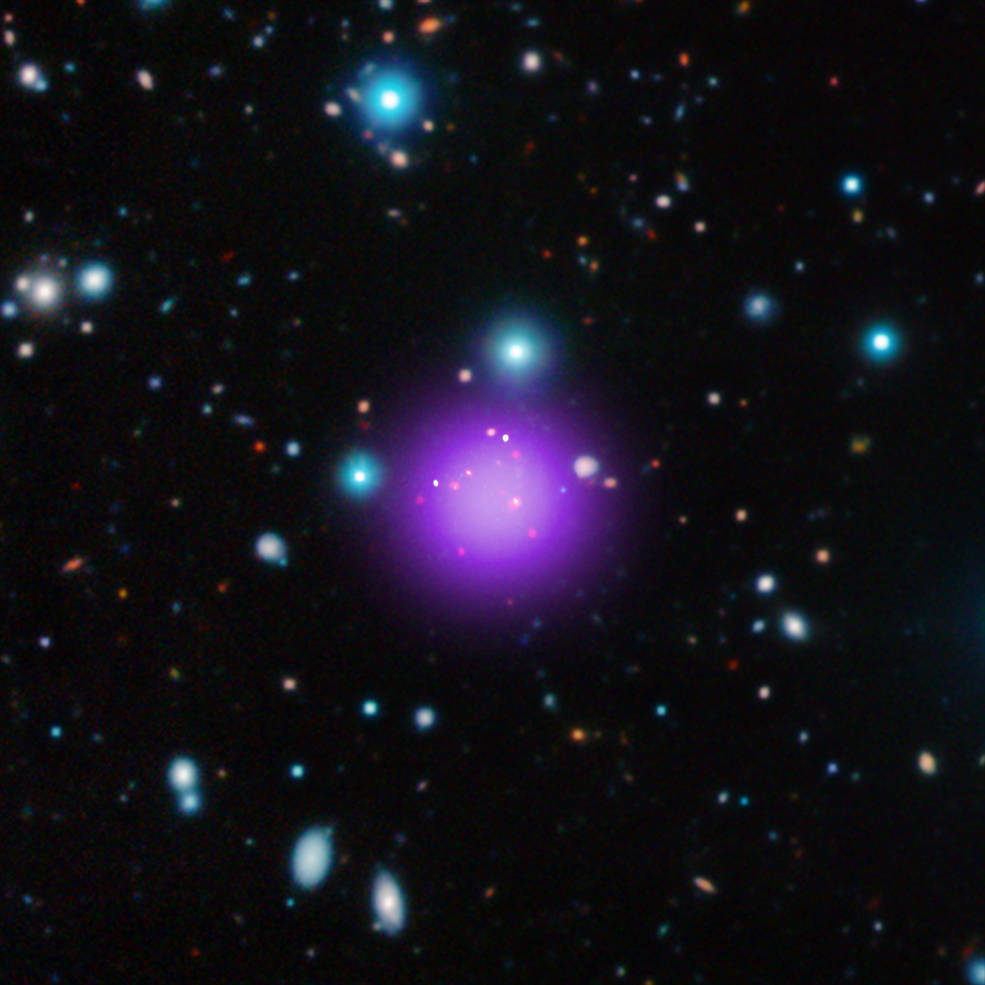
Utilizzando l’osservatorio Chandra e altri telescopi è stato individuato un ammasso di galassie davvero unico, ad una distanza da record. L’oggetto sta attraversando una breve, ma fondamentale fase evolutiva della sua esistenza, appena successiva alla sua formazione, una fase mai osservata in precedenza. Continua a leggere
Collisioni planetarie
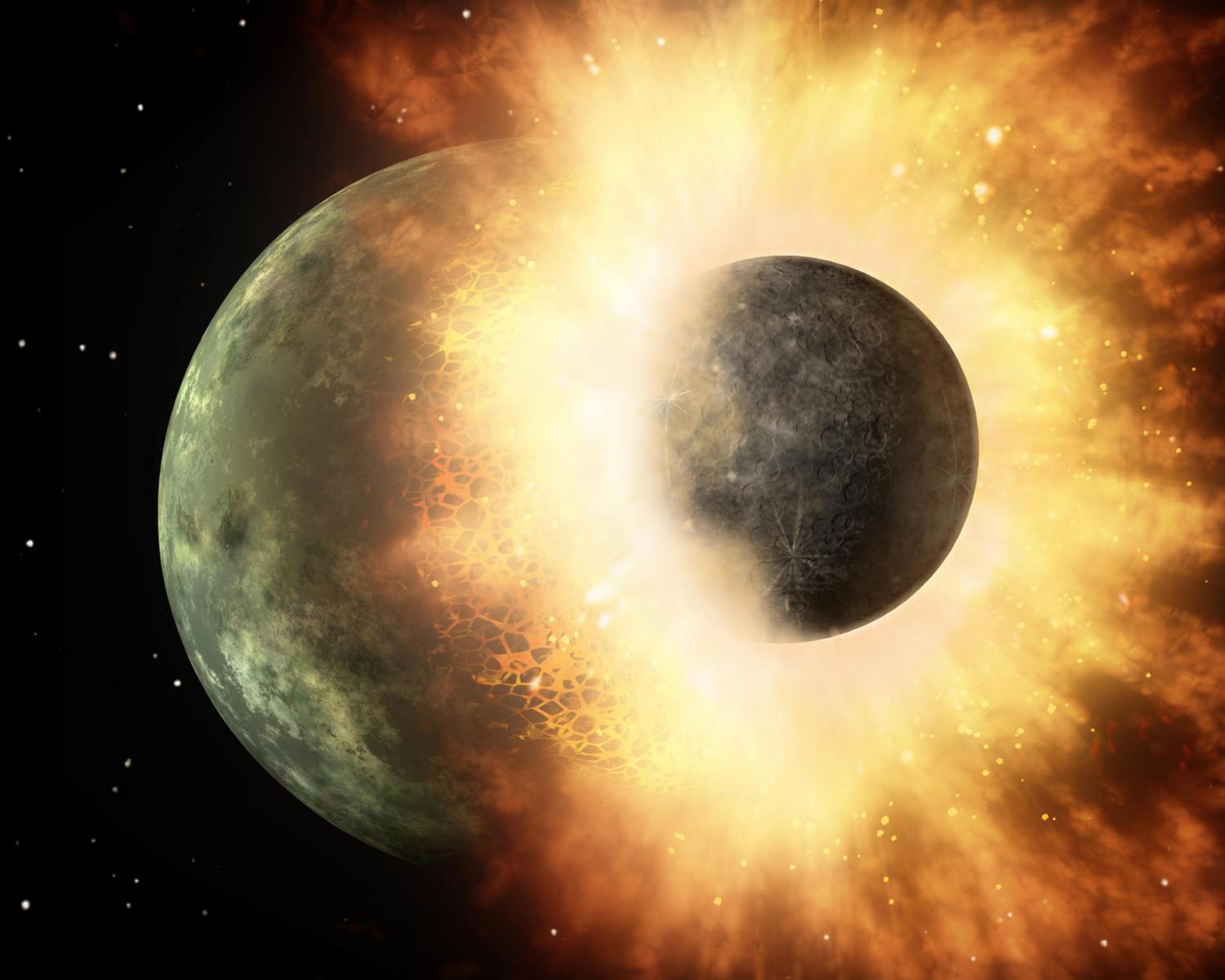
Uno studio della Rice University suggerisce che praticamente tutto il carbonio presente sul nostro pianeta, elemento base per la vita, potrebbe provenire da una collisione avvenuta circa 4,4 miliardi di anni fa tra la Terra e un pianeta allo stato embrionale simile a Mercurio. Continua a leggere
Fuochi d’artificio cosmici: Westerlund 2
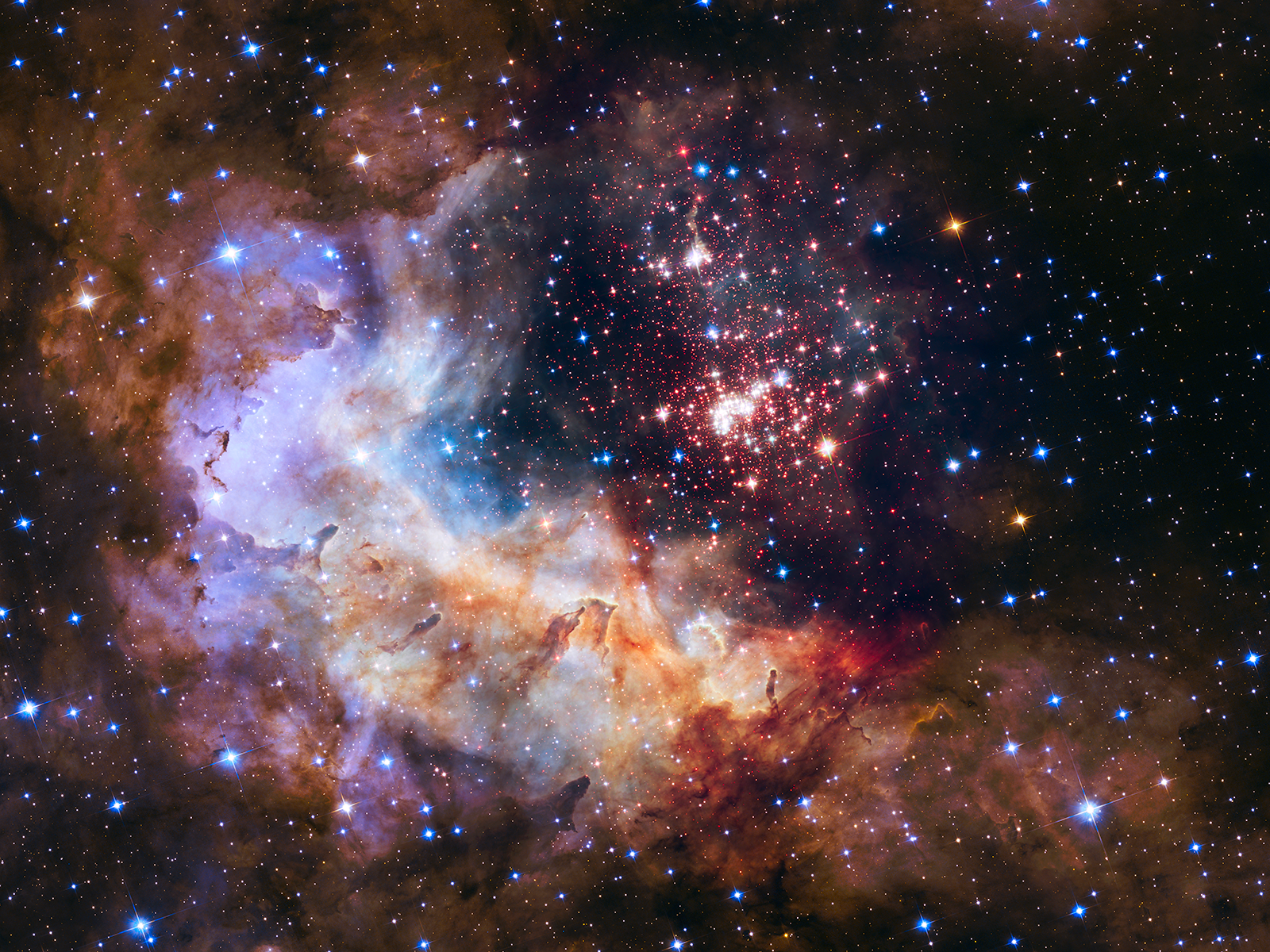
Questo scintillante panorama di giovani stelle nascenti assomiglia ad uno spettacolo pirotecnico estivo nell’immagine del telescopio Hubble, rilasciata per celebrare un quarto di secolo di esplorazione dello spazio a partire dal suo lancio il 24 aprile del 1990. Continua a leggere
Stelle come diamanti in Gum 29
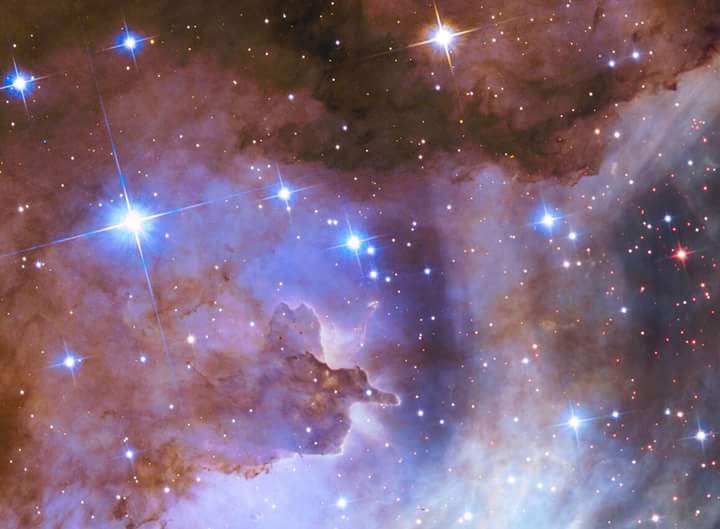
Questa immagine mostra la regione di formazione stellare Gum 29 che circonda l’ammasso Westerlund 2. Si tratta di una sezione della famosa immagine dell’ammasso stellare e dei suoi dintorni, ripresa da Hubble e rilasciata per celebrare il 25° anniversario del telescopio. Continua a leggere