Astronews
ALMA Esplora il Campo Ultra-profondo di Hubble
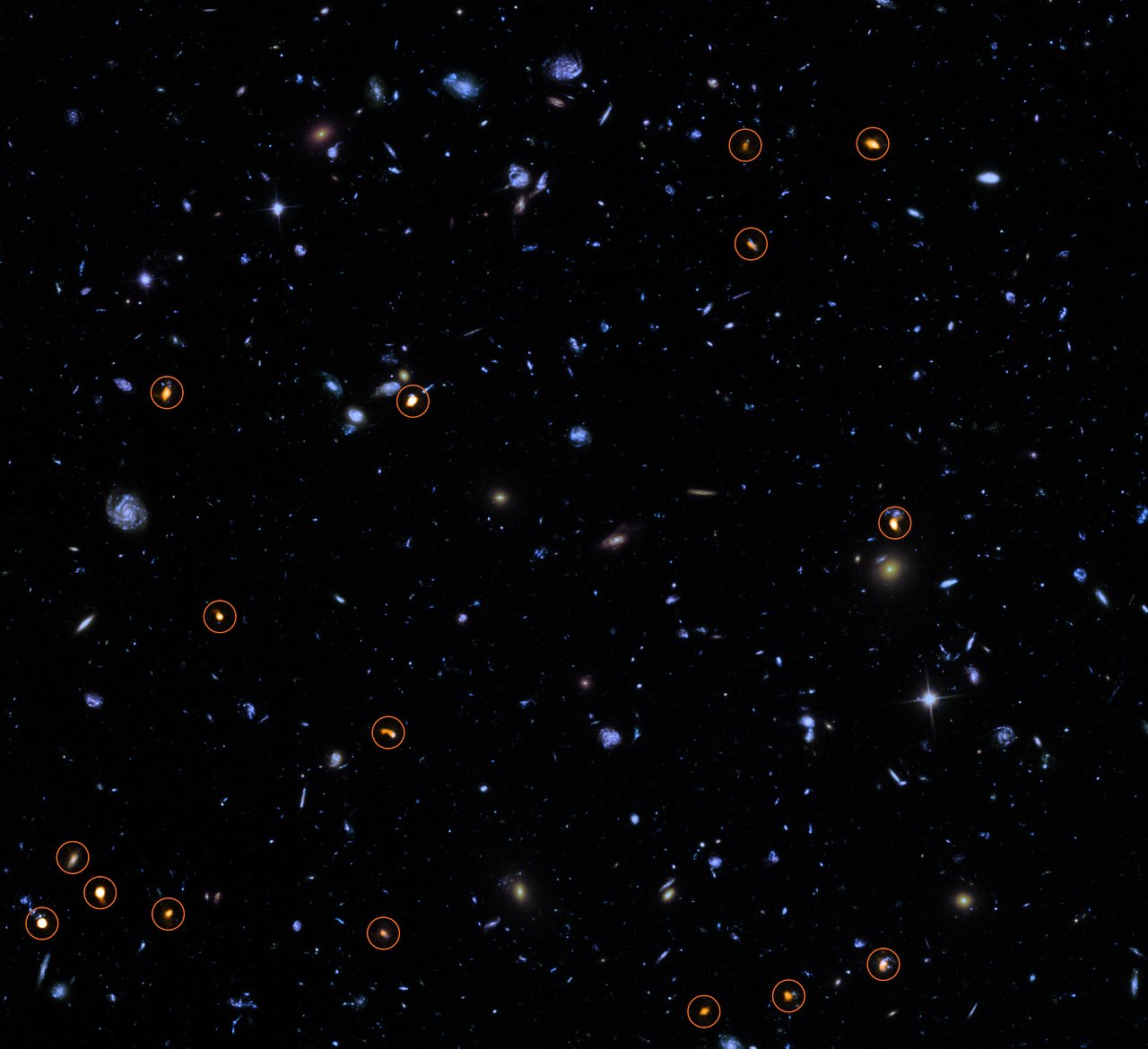
Gli astronomi hanno utilizzato l’Atacama Large Millimeter/submillimeter Array (ALMA) per esplorare gli angoli più remoti dell’Universo rivelati per la prima volta nell’immagine iconica del Campo Ultra-profondo di Hubble (Hubble Ultra Deep Field, HUDF). Continua a leggere
Un raro resto fossile di una Via Lattea primordiale
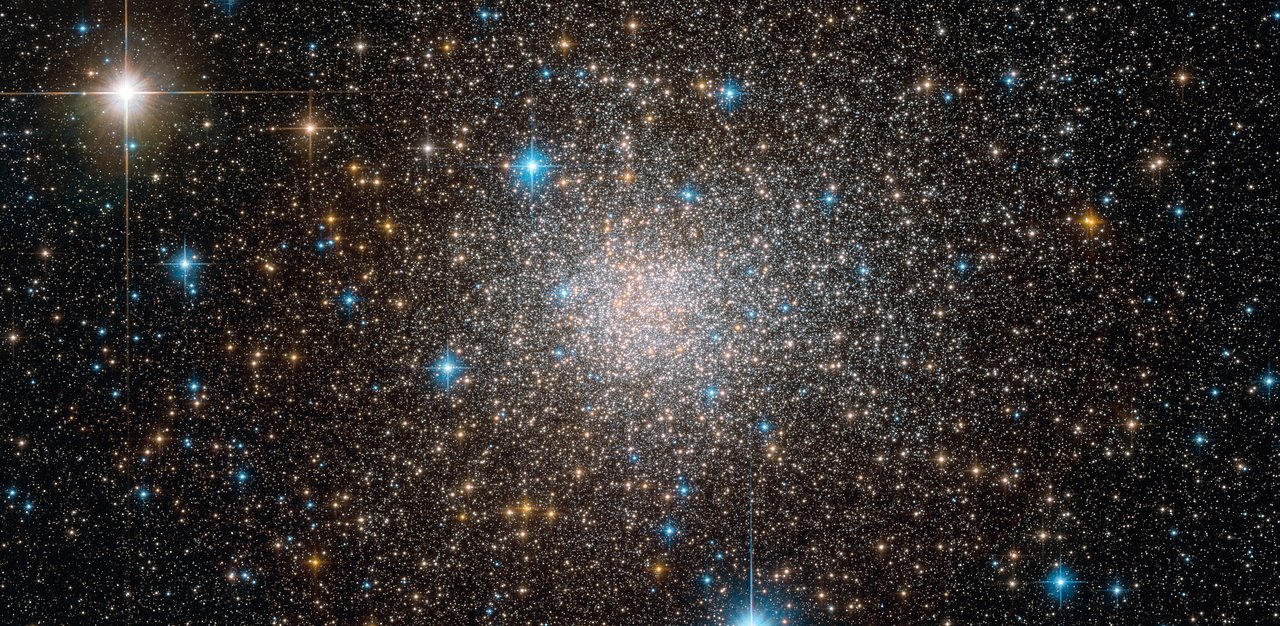
Un team internazionale di astronomi ha scoperto un resto fossile di una primordiale Via Lattea, al cui interno si trovano stelle di età molto differenti. Questo sistema stellare, Terzan 5, a 19.000 anni luce di distanza dalla Terra, ricorda un ammasso globulare, ma è diverso dagli altri ammassi globulari conosciuti. Continua a leggere
Un ammasso da record
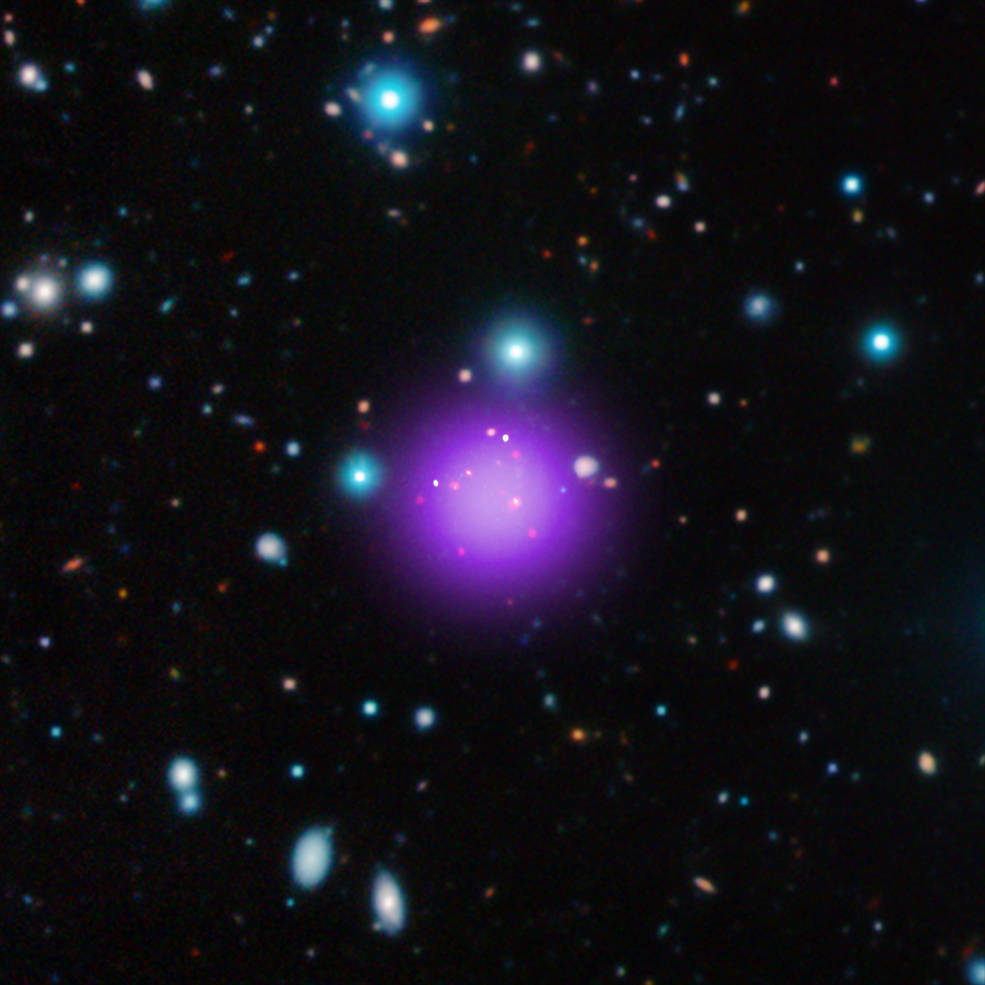
Utilizzando l’osservatorio Chandra e altri telescopi è stato individuato un ammasso di galassie davvero unico, ad una distanza da record. L’oggetto sta attraversando una breve, ma fondamentale fase evolutiva della sua esistenza, appena successiva alla sua formazione, una fase mai osservata in precedenza. Continua a leggere
Collisioni planetarie
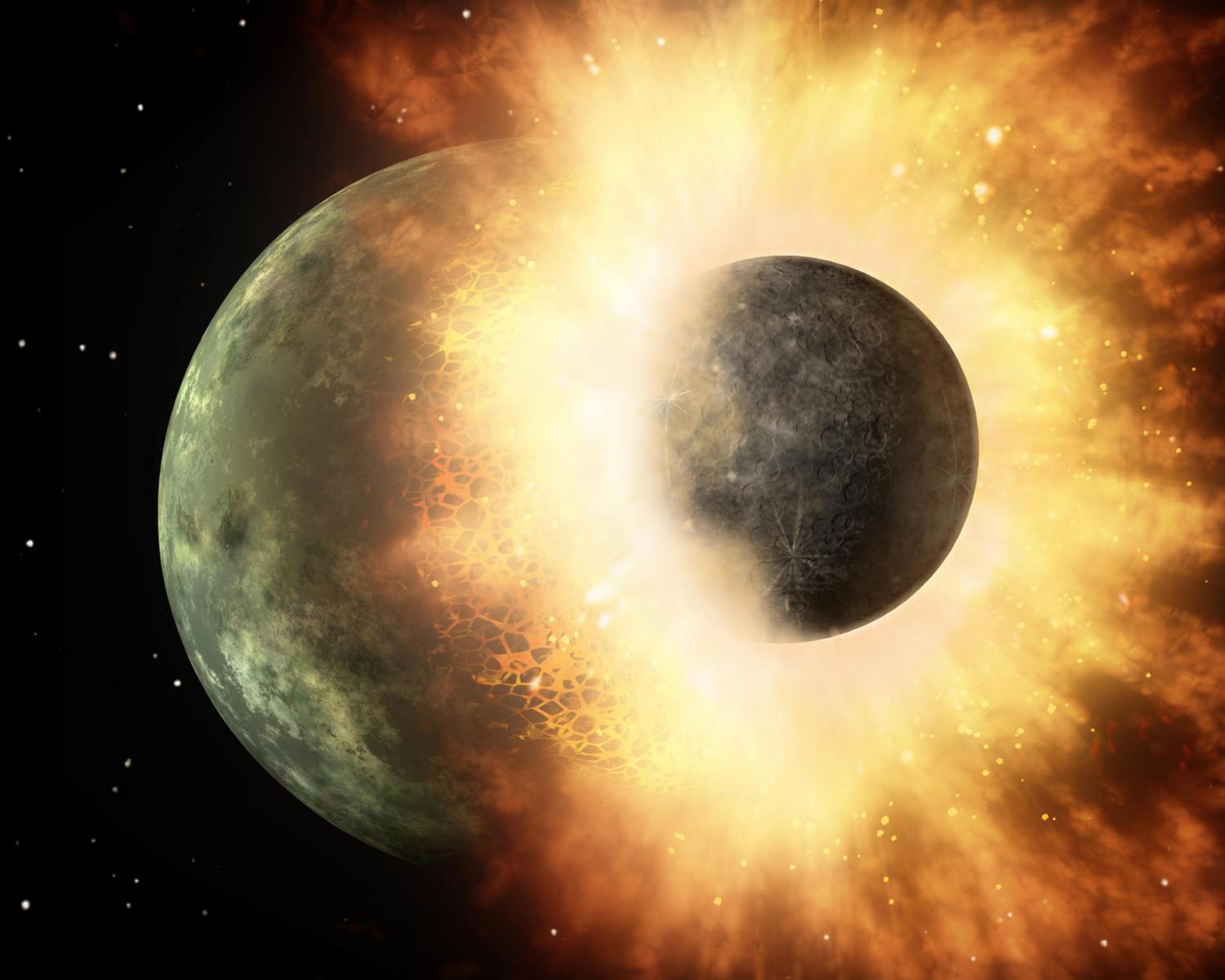
Uno studio della Rice University suggerisce che praticamente tutto il carbonio presente sul nostro pianeta, elemento base per la vita, potrebbe provenire da una collisione avvenuta circa 4,4 miliardi di anni fa tra la Terra e un pianeta allo stato embrionale simile a Mercurio. Continua a leggere
Imponente attività vulcanica su Io
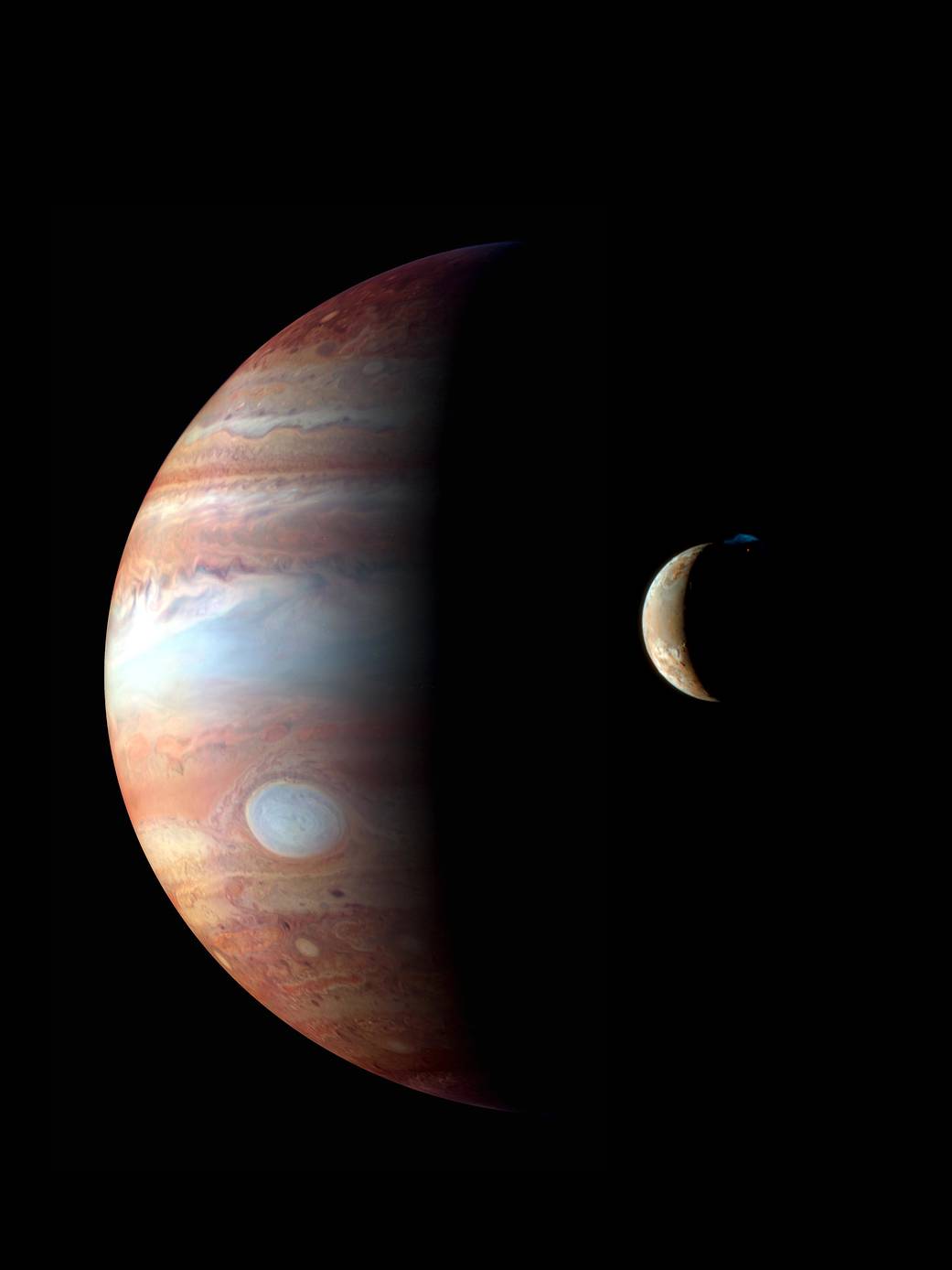
Un nuovo studio ha analizzato la superficie di Io, satellite di Giove dall’intensa attività vulcanica, tramite una lunga serie di osservazioni dettagliate, ad altissima risoluzione, delle emissioni termiche della luna. Continua a leggere
Orionidi, le stelle cadenti di ottobre
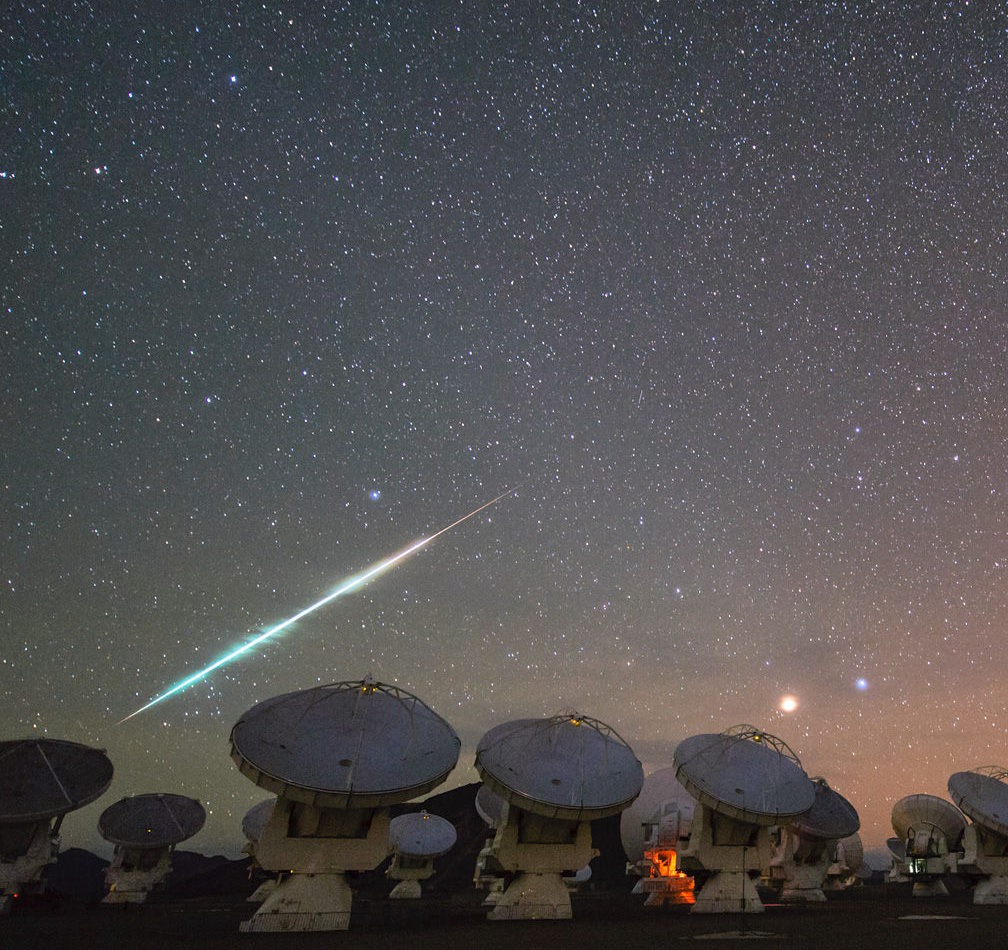 Tutti sanno che in estate, ad agosto, si possono vedere molte stelle cadenti; non tutti sanno che di questi “sciami meteorici” ne esistono parecchi distribuiti lungo tutto l’anno!
Tra gli appuntamenti più interessanti c’è quello con le stelle cadenti di ottobre Continua a leggere
Un gigante ghiacciato in formazione?
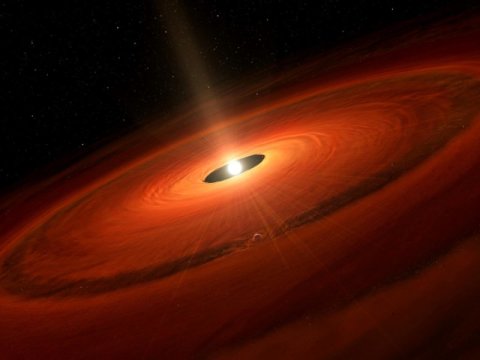
Gli astronomi hanno trovato evidenze della possibile presenza di un pianeta che si sta formando attorno a TW Hydrae, una giovane stella nelle vicinanze, utilizzando l’Atacama Large Millimeter/submillimeter Array (ALMA). In base alla distanza dalla stella centrale e alla distribuzione di sottili grani di polvere, si ritiene che il baby pianeta sia un gigante ghiacciato, simile a Nettuno nel nostro Sistema Solare. Continua a leggere
Le origini della cometa di Rosetta
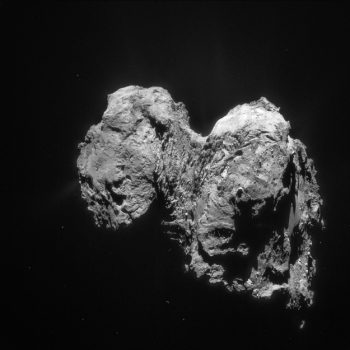
Utilizzando analisi statistiche ed elaborazioni al computer, gli astronomi della Western University hanno tracciato un percorso che molto probabilmente mette in chiaro le vere origini della cometa 67P/Churyumov-Gerasimenko, un’informazione fondamentale per scoprire di che tipo di materiale sia costituita la cometa e quanto a lungo sia stata presente nel nostro Sistema Solare. Continua a leggere
SMASH 1: satellite dal futuro segnato?
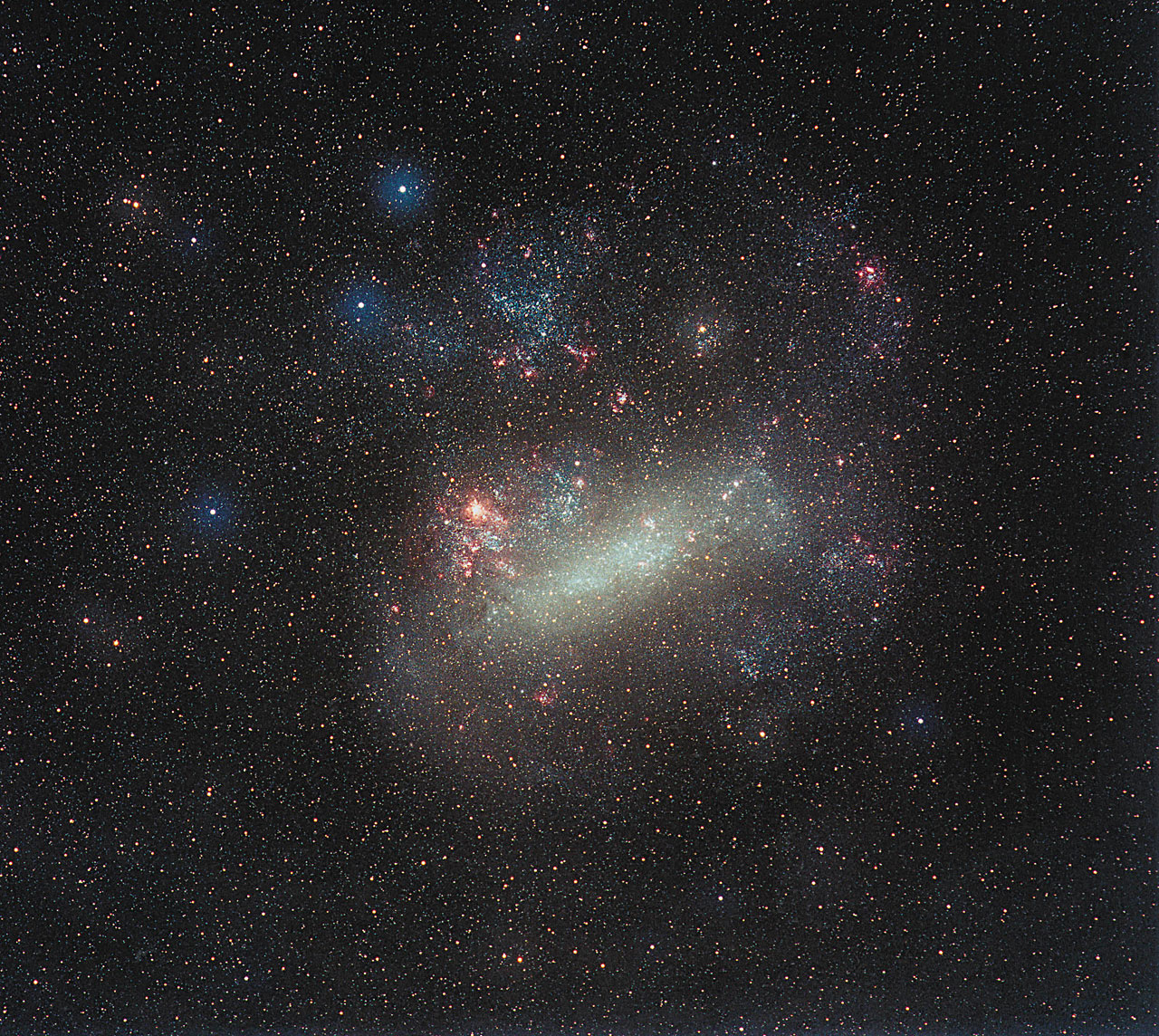
Un debole sistema stellare dal nome SMASH 1 potrebbe essere una galassia satellite della Grande Nube di Magellano. Tuttavia il suo futuro è incerto e probabilmente già segnato, dal momento che la piccola SMASH 1 potrebbe essere presto distrutta dall’azione gravitazionale della galassia più grande. Continua a leggere
L’immagine di Eta Carinae alla massima risoluzione
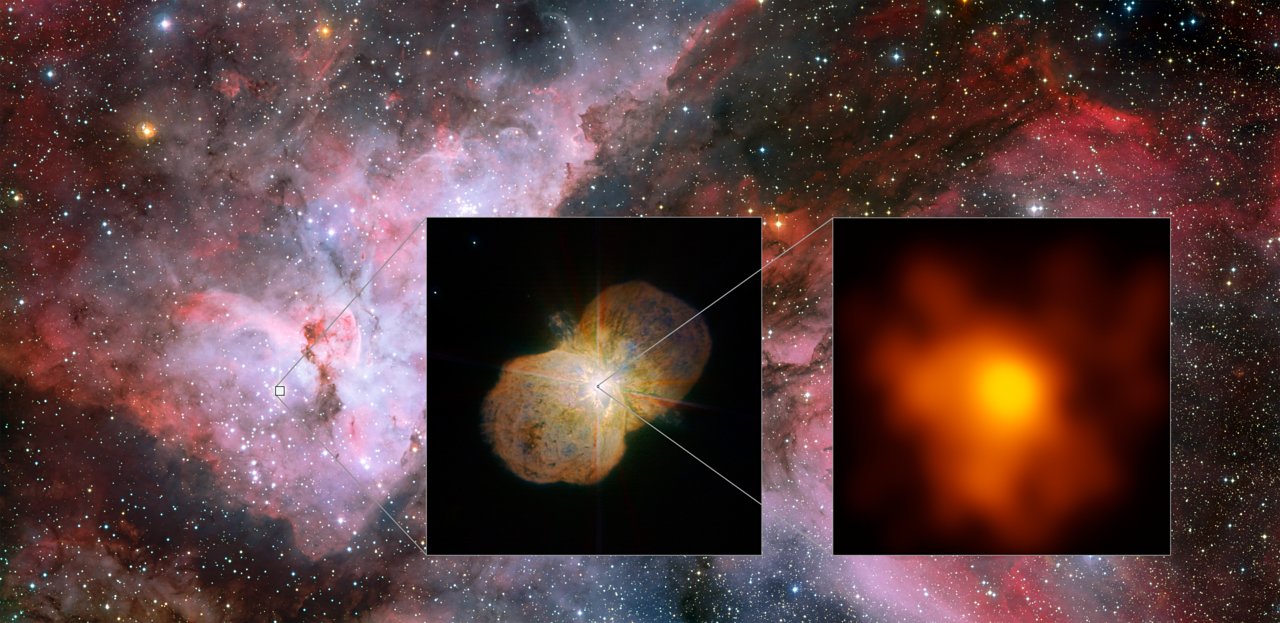
Un team internazionale di astronomi, guidato da Gerd Weigelt del Max Planck Institute for Radio Astronomy (MPIfR) a Bonn, ha utilizzato il Very Large Telescope Interferometer all’Osservatorio dell’ESO per riprendere il sistema stellare di Eta Carinae con un dettaglio mai ottenuto in precedenza. Hanno scoperto nuove e inaspettate strutture all’interno del sistema binario, inclusa la regione tra le due stelle dove collidono venti stellari estremamente veloci. Continua a leggere