Astronews
NGC 1569, una galassia starbust
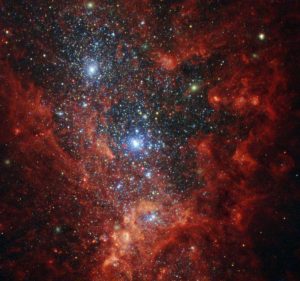 Questa immagine del telescopio Hubble rivela l’interno di una delle galassie più attive nelle nostre vicinanze, NGC 1569, una piccola galassia situata a circa undici milioni di anni luce di distanza nella costellazione della Giraffa.
Splendide regioni di formazione stellare
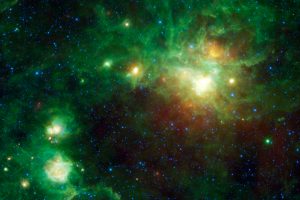 Questa immagine del telescopio Wide-field Infrared Survey Explorer (WISE) mette in evidenza diverse splendide regioni di formazione stellare: se ne possono individuare almeno cinque in questa immagine. Si tratta di regioni HII, nubi di gas e polveri riscaldate da vicine, calde stelle di recente formazione. Continua a leggere
Onde gravitazionali, si raddoppia
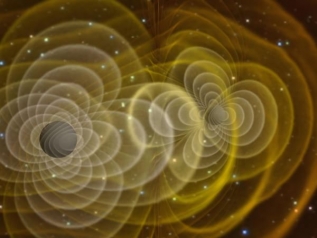 Confermato un secondo evento di onde gravitazionali. Le minuscole increspature nel tessuto dello spaziotempo, previste dalla Relatività Generale di Albert Einstein cent’anni fa, e fino a qualche tempo fa solo teoriche, sono state registrate per la seconda volta. Continua a leggere
Sorprendenti allineamenti di supernove
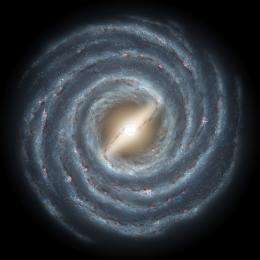
Un team internazionale di astronomi ha scoperto un possibile collegamento tra i campi magnetici di resti di supernova e quello della nostra galassia. Lo studio, recentemente pubblicato su Astronomy & Astrophysics , ha rivelato che l’orientamento dei resti di supernova può aiutare gli astronomi a comprendere la natura e la forma del campo magnetico della Via Lattea stessa. Continua a leggere
Gli ingredienti per la vita sulla cometa di Rosetta

Ingredienti ritenuti fondamentali per l’origine della vita sulla Terra sono stati scoperti sulla cometa che la sonda Rosetta dell’ESA sta studiando da quasi due anni. Comprendono l’amminoacido glicina, che si trova comunemente nelle proteine, e il fosforo, un componente chiave del DNA e delle membrane cellulari. Continua a leggere
Cannibalismo Stellare
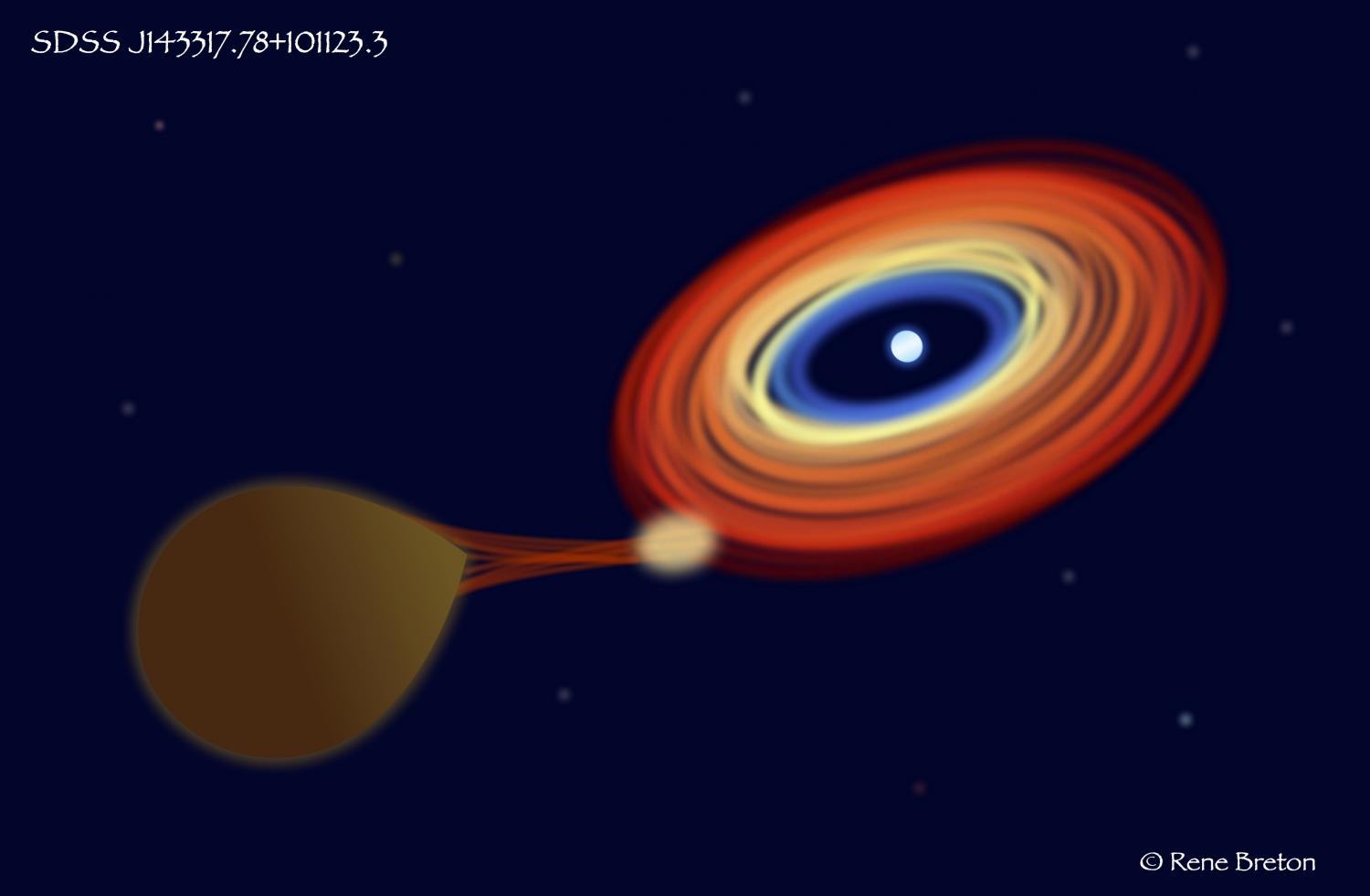
Gli astronomi hanno rilevato un oggetto sub-stellare che era una stella, ma è stato consumato dalla sua compagna nana bianca. Un team internazionale di astronomi ha fatto la scoperta osservando un sistema binario molto debole, J1433 che si trova a 730 anni luce di distanza.
Polvere di Stelle
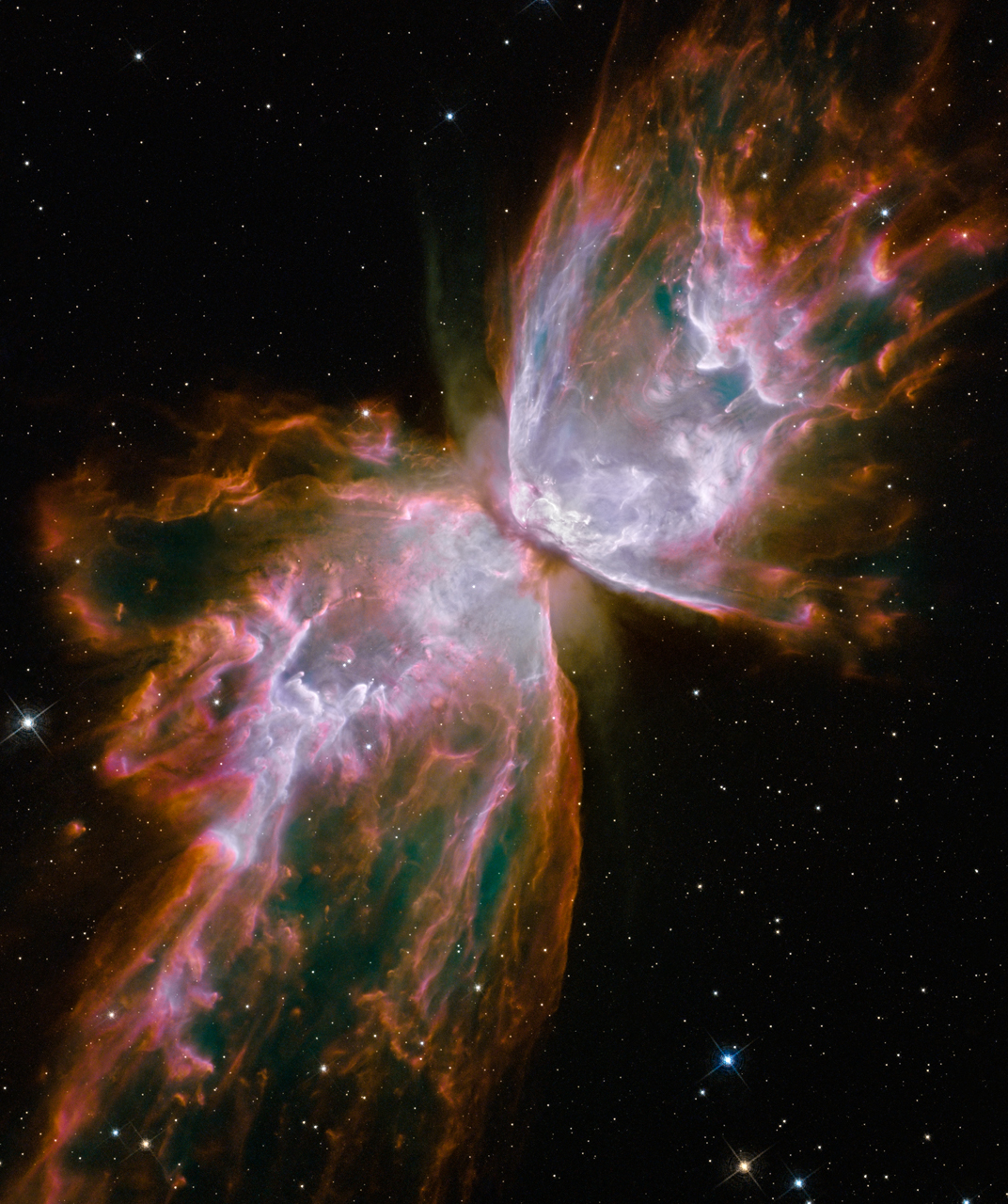
Gli scienziati della NASA stanno rivelando la storia delle particelle di polvere provenienti da stelle morenti che hanno vagato per la galassia durante milioni di anni prima che il Sole e i pianeti si formassero. Questi grani di polvere stellare sono sopravvissuti al duro ambiente dello spazio profondo e sono stati trovati in meteoriti sulla Terra. Continua a leggere
Conto alla rovescia per Cassini
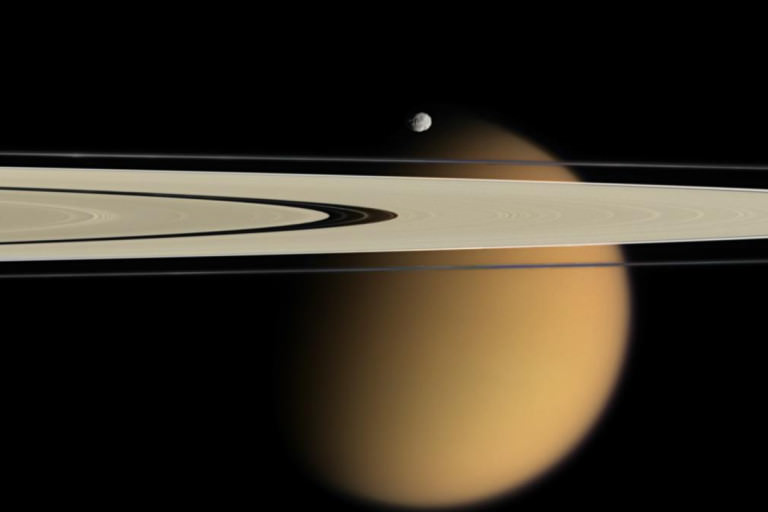 Il conto alla rovescia è iniziato. La sonda Cassini ha trascorso più di un decennio in orbita attorno a Saturno, immergendosi dentro e fuori dei suoi anelli e scrutando le sue lune. Ma nel giro di poco più di un anno inizierà il suo Gran Finale, una serie audace di manovre che ci regalerà immagini di Saturno come mai prima, e infine con il veicolo spaziale che impatterà nell’atmosfera del gigante gassoso. Continua a leggere
NASA HD TV – Streaming del canale ufficiale NASAHDTV

In diretta dal canale NASA HD TV – Streaming del canale ufficiale NASAHDTV
Notizie:
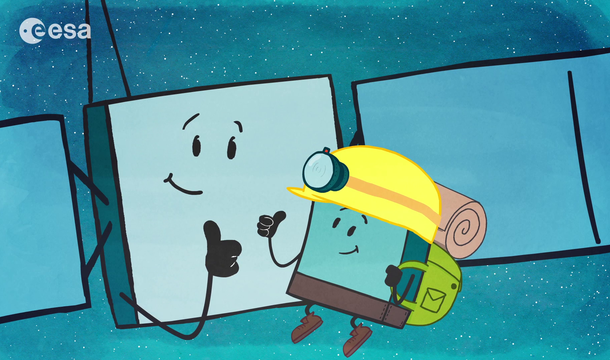
L’Arrivederci di Philae
Su un tratto oscuro della fredda cometa 67P/Churyumov-Gerasimenko il lander Philae ha iniziato una veglia solitaria e silenziosa. Dopo essere atterrato e rimbalzato sulla superficie della cometa il 12 novembre 2014, Philae ha funzionato per poco meno di tre giorni, prima di rimanere a corto di energia e cadere in letargo. Continua a leggere