Immagini
Genesi Stellare nella Girandola del Sud
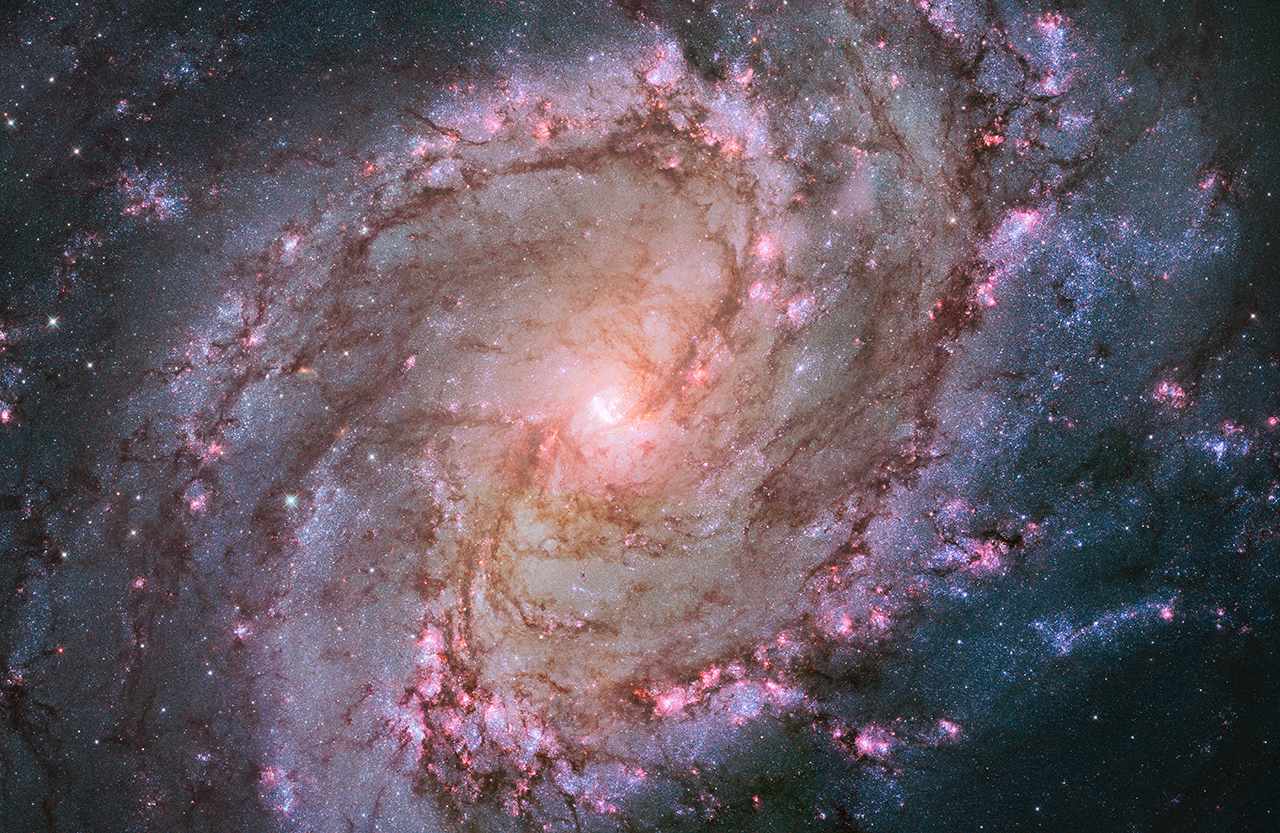
La bellezza della galassia a spirale barrata Messier 83 è svelata in tutta la sua gloria in questa immagine del telescopio Hubble. Le vivaci tonalità magenta e blu rivelano che la galassia risplende di formazione stellare. Conosciuta anche come Girandola del Sud, si trova a 15 milioni di anni luce di distanza nella costellazione dell’Idra. Continua a leggere
La Giovinezza di NGC 362
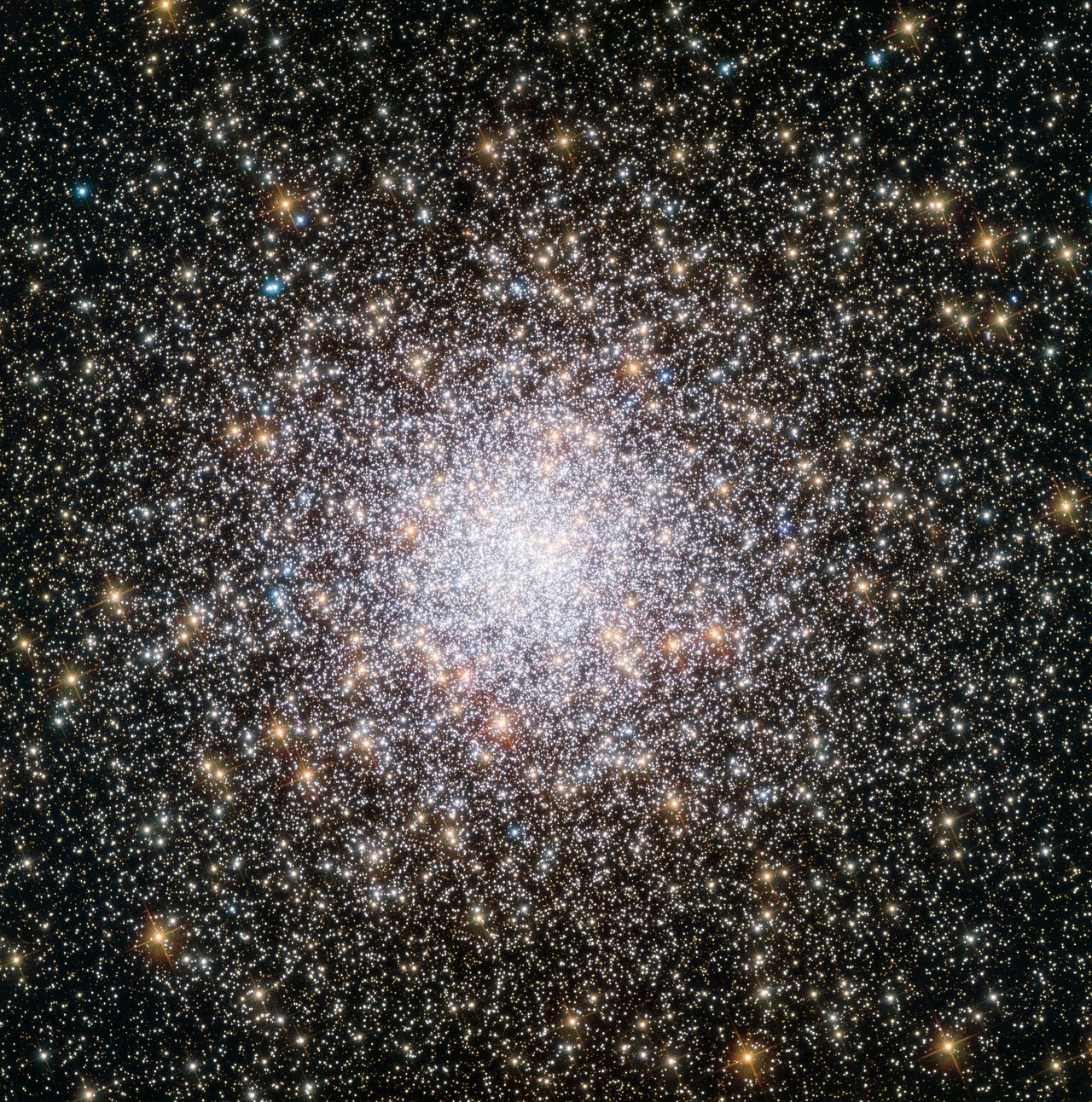
Gli ammassi globulari offrono una delle visioni più spettacolari nel cielo notturno. Queste sfere adorne di astri contengono centinaia di migliaia di stelle, e risiedono nelle periferie delle galassie. La Via Lattea ne contiene più di 150 e quello mostrato in questa nuova immagine del telescopio Hubble, chiamato NGC 362, è uno dei più inusuali. Continua a leggere
Una Galassia Straordinariamente Sottile
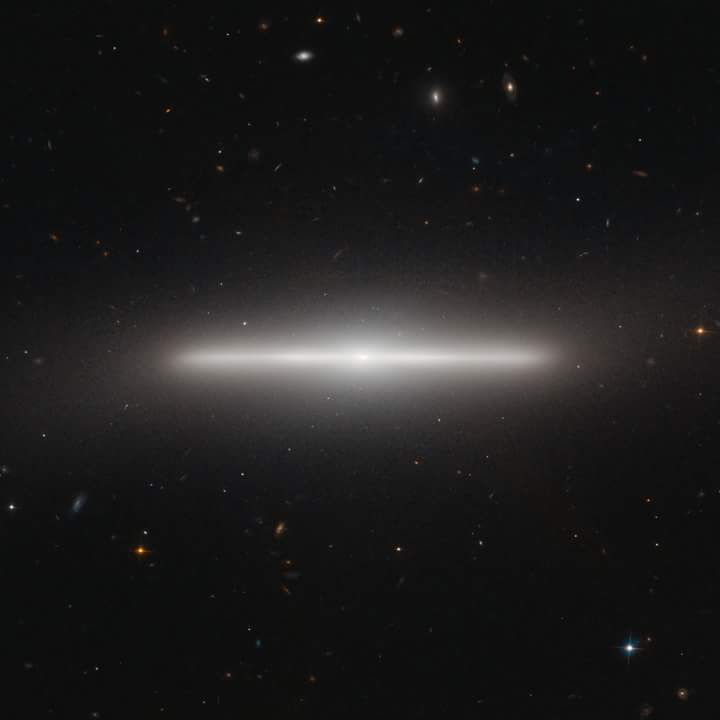
Questa sorprendente galassia, chiamata NGC 4452, appare esattamente di taglio se osservata dalla Terra, permettendoci di ammirare una straordinaria immagine di miliardi di stelle viste da un’insolita angolazione. Continua a leggere
L’occhio ardente di NGC 6751
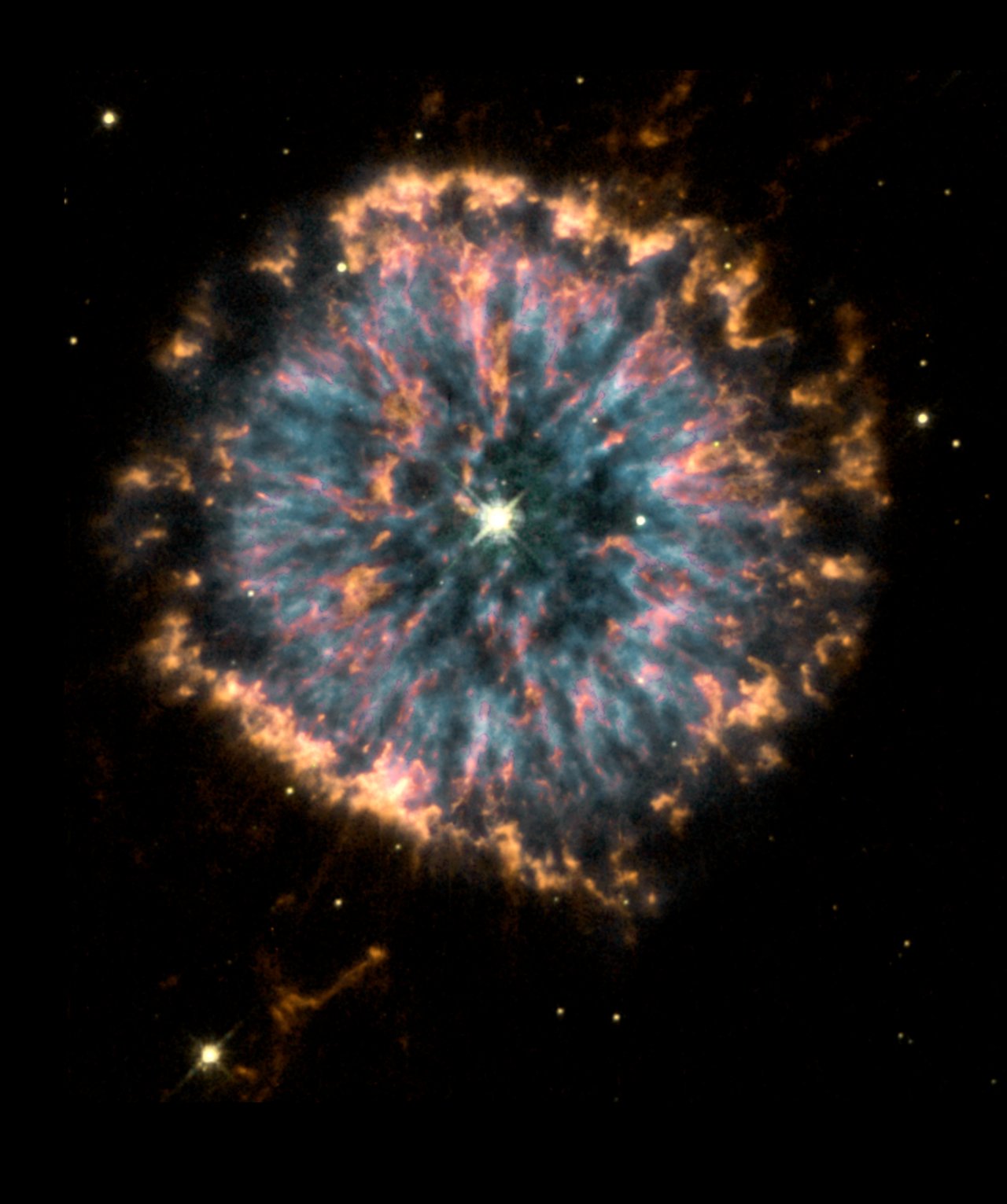
Questa immagine ripresa dal telescopio Hubble dimostra lo straordinario spettacolo offerto dalle nebulose planetarie. Questa in particolare, chiamata NGC 6751, è simile ad un gigantesco occhio infuocato. Si tratta di una nube di gas espulso diverse migliaia di anni fa dalla calda stella visibile nel centro. Continua a leggere
La Montagna Mistica
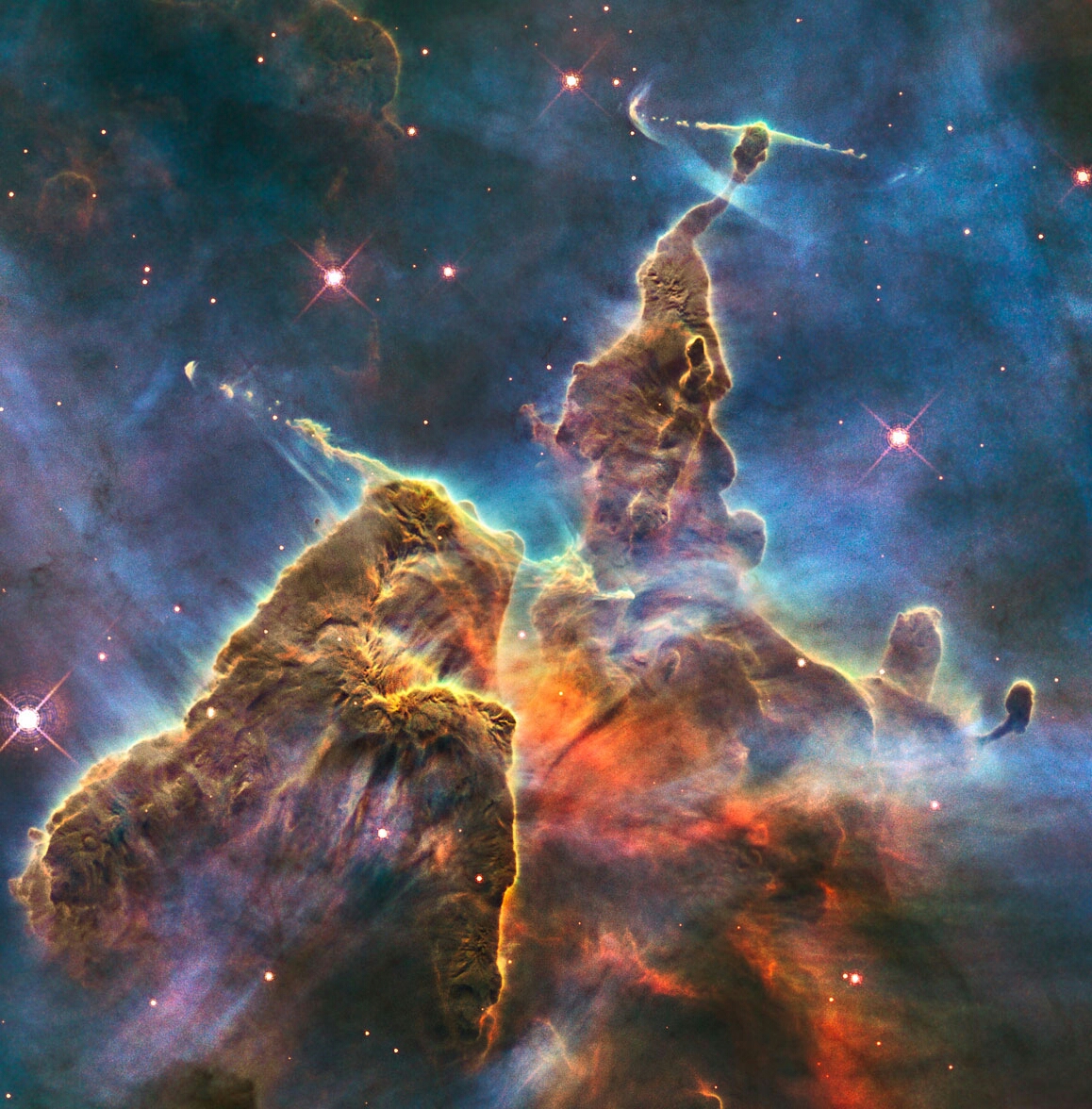
Questa fantastica montagna scoscesa avvolta da nuvole, nota con il nome evocativo di “Montagna Mistica”, si presenta come un paesaggio bizzarro de “Il Signore degli Anelli” di Tolkien. Continua a leggere
Testa di Strega
Come suggerisce il nome, questa nebulosa a riflessione associata con la stella Rigel assomiglia in maniera sorprendente ad una strega delle fiabe. Continua a leggere
Il Ragno Rosso
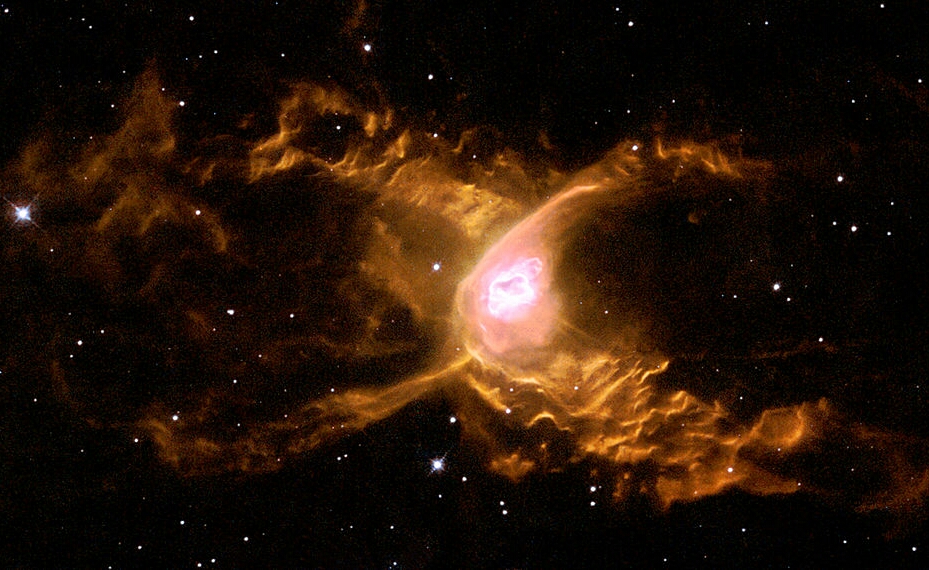
Osservazioni del telescopio Hubble hanno rivelato formazioni simili a enormi onde scolpite nella spettacolare nebulosa del Ragno Rosso (Red Spider Nebula).
Dipingere con la luce infrarossa
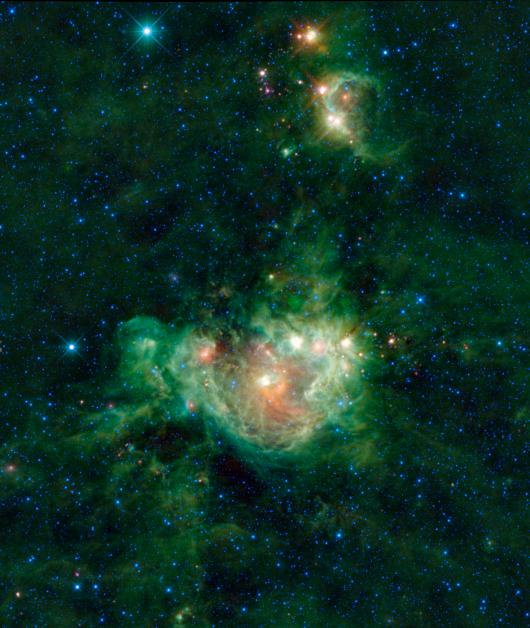
In modo simile ad un pittore, che dipinge paesaggi naturali con l’uso sapiente del colore e della luce, il telescopio WISE ha regalato al mondo immagini suggestive del cosmo rappresentando la luce infrarossa attraverso il colore. L’immagine della nebulosa NGC 2174 è un esempio perfetto. Continua a leggere
Hubble eXtreme Deep Field
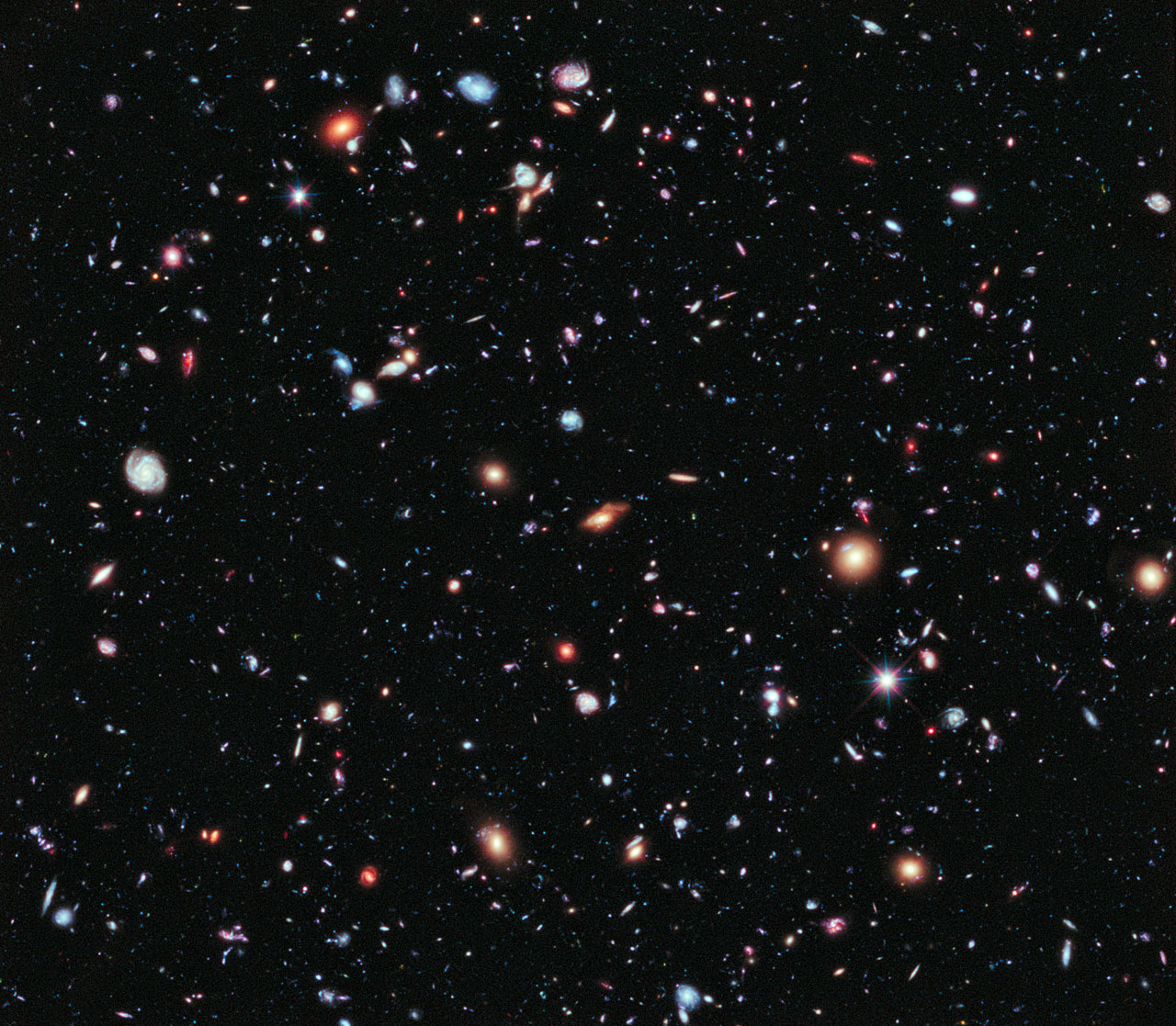
Questa immagine, denominata Hubble eXtreme Deep Field (XDF), combina osservazioni di Hubble di una piccola porzione di cielo nella costellazione della Fornace. Continua a leggere
Una misteriosa antica spirale
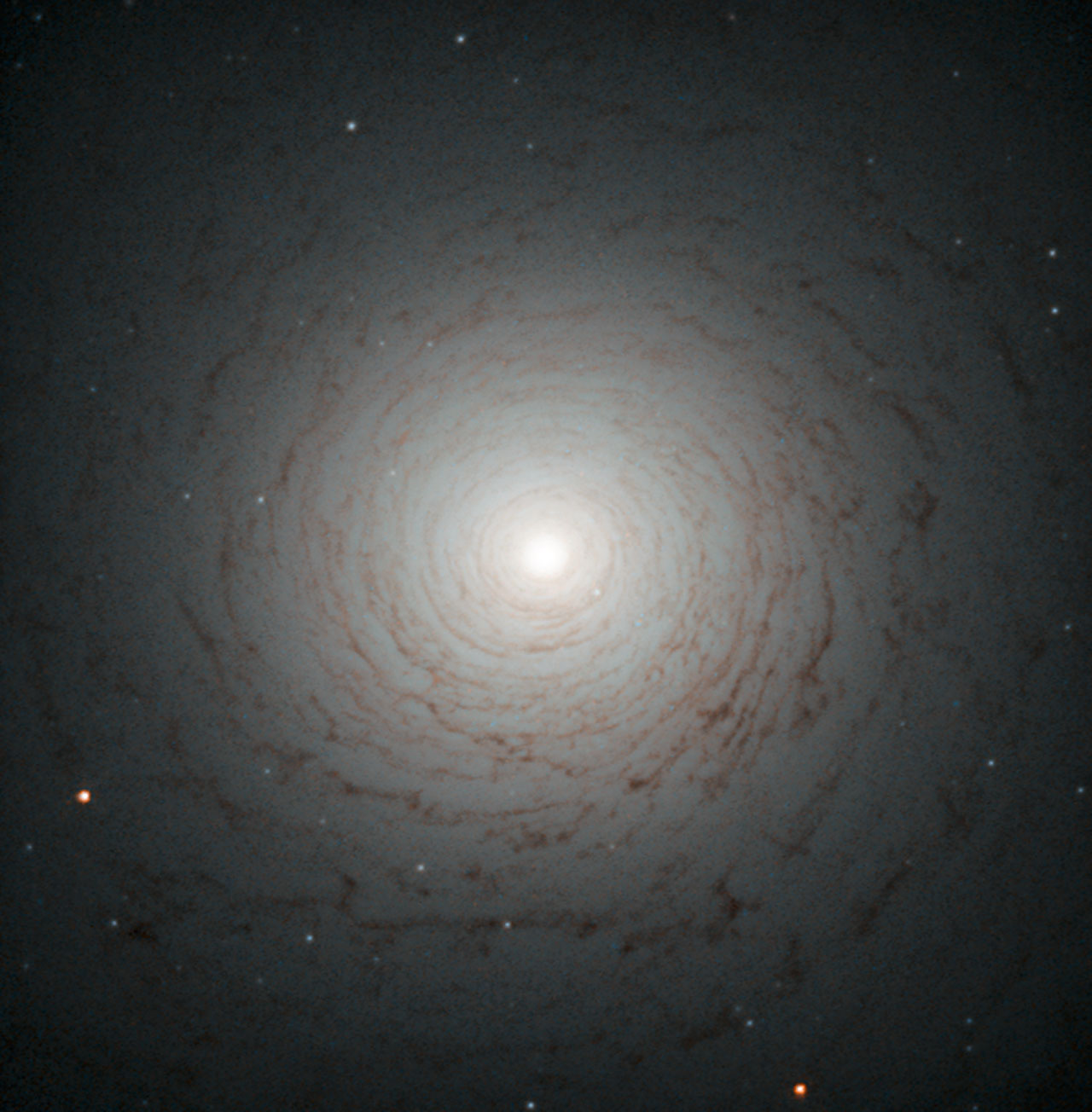
Questa spettrale immagine ripresa dal telescopio Hubble rivela l’impressionante centro della galassia NGC 524. È una galassia di tipo lenticolare, uno stadio intermedio nell’evoluzione galattica tra le ellittiche e le galassie a spirale; si trova nella costellazione dei Pesci, a circa 90 milioni di anni luce dalla Terra. Continua a leggere