Il Gran Finale di Cassini
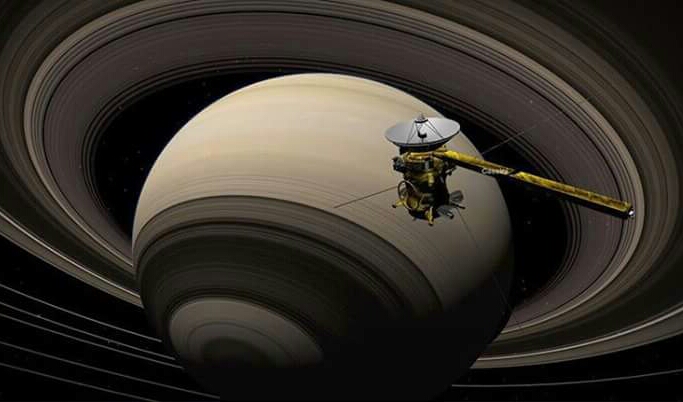
La sonda Cassini, in orbita attorno a Saturno dal 2004, sta per iniziare il capitolo finale della sua gloriosa avventura. Mercoledì 26 Aprile la sonda compirà il primo di una serie di passaggi nello spazio vuoto, ampio 2400 chilometri, che separa Saturno e gli anelli, come parte del Gran Finale della missione. Continua a leggere
Coelum 210 – aprile 2017
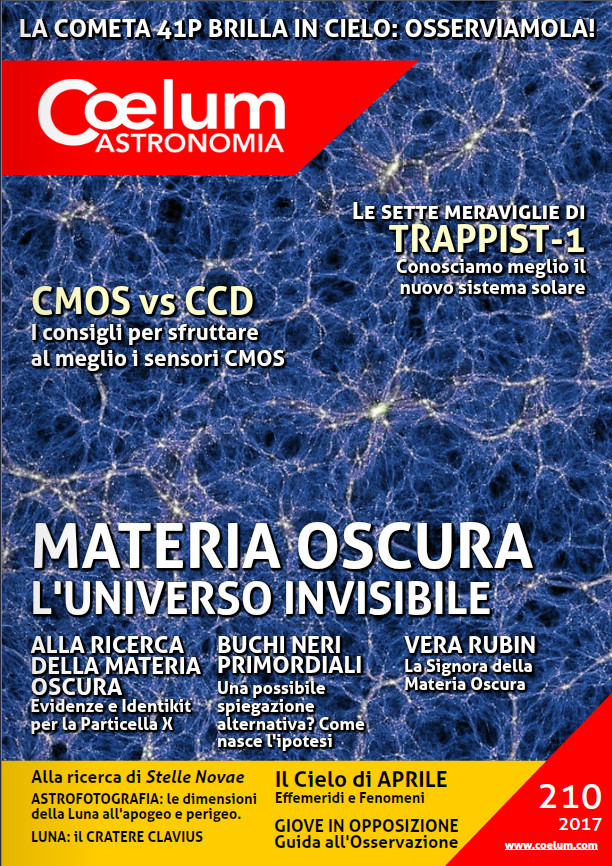 Ecco il numero di aprile 2017 di Coelum Astronomia.
Lo si può sfogliare direttamente qui sotto o scaricare gratuitamente!
TRAPPIST-1, troppo attiva per ospitare la vita?
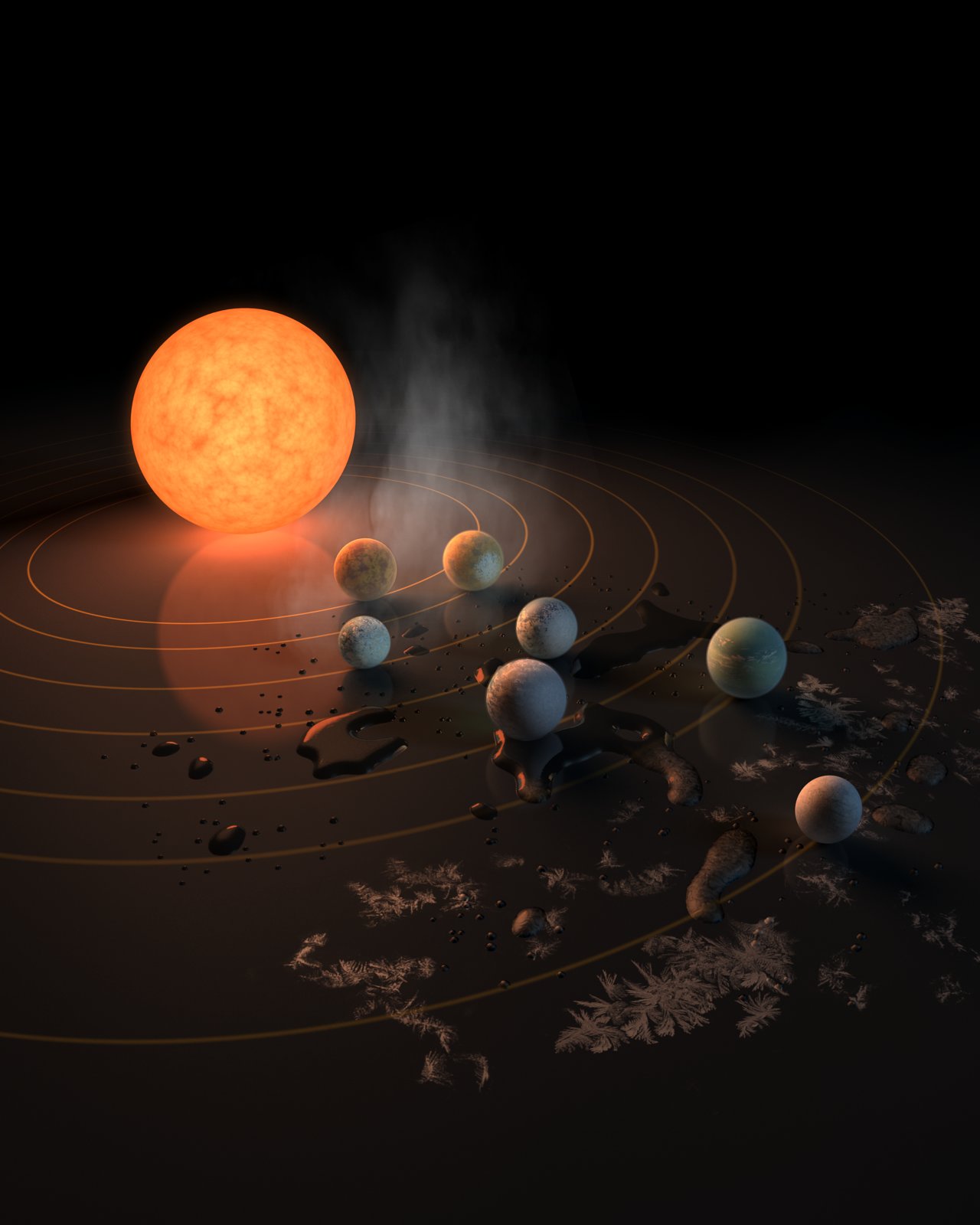
Nuovi dati della missione K2 del telescopio spaziale Kepler rivelano un forte magnetismo stellare nel sistema chiamato TRAPPIST-1, suggerendo che i suoi pianeti potrebbero essere luoghi meno favorevoli per lo sviluppo della vita rispetto al previsto. Continua a leggere
Il Lento Viaggio di Nettuno
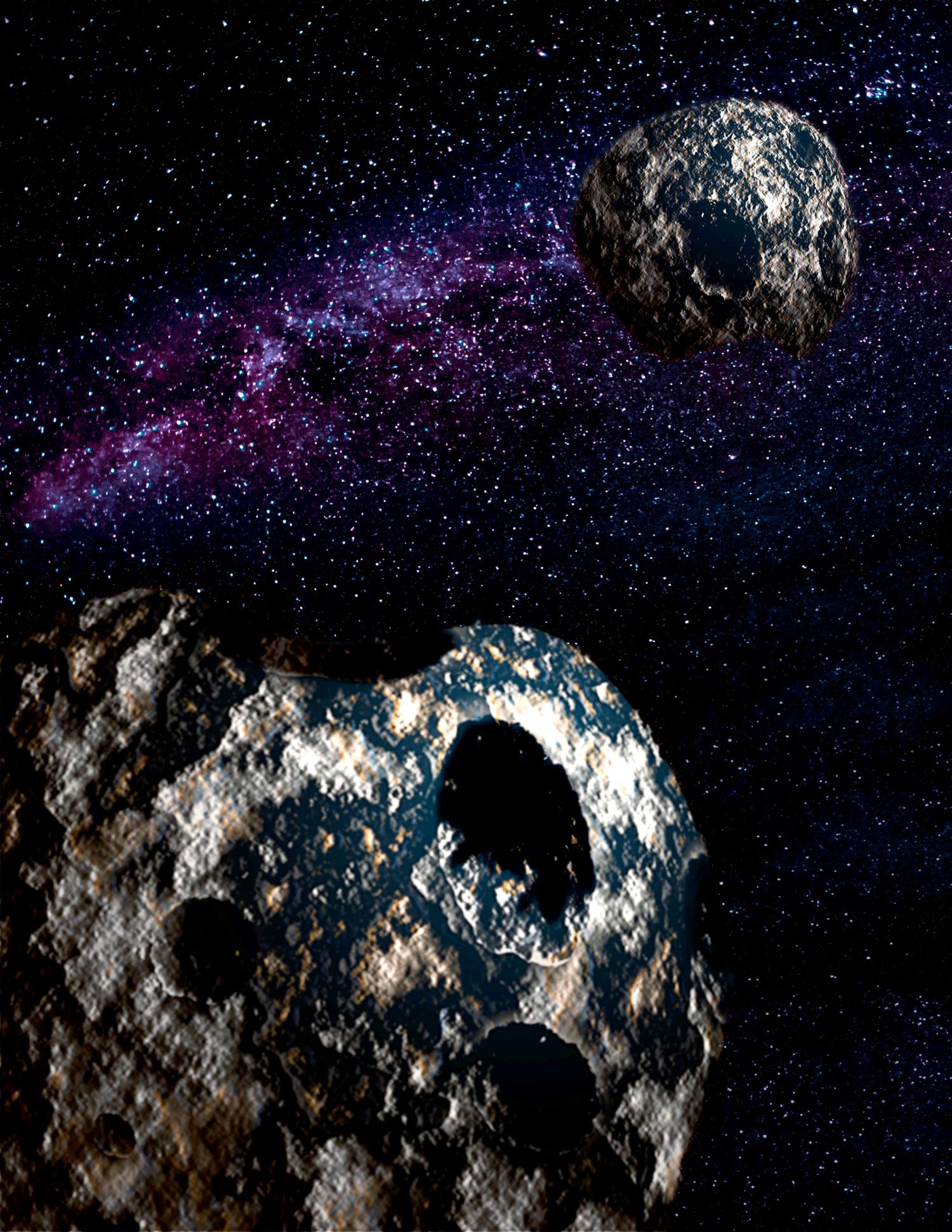
Un nuovo studio relativo alla Fascia di Kuiper, una regione di spazio al di là di Nettuno contenente centinaia di piccoli corpi ghiacciati, residui del giovane Sistema Solare, ha identificato nella zona un certo numero di oggetti molto particolari. Mentre infatti gli altri corpi celesti esibiscono un colore rossastro, questi si distinguono per il colore blu e viaggiano in coppie, orbitando uno attorno all’altro. Continua a leggere
La Nebulosa Uovo
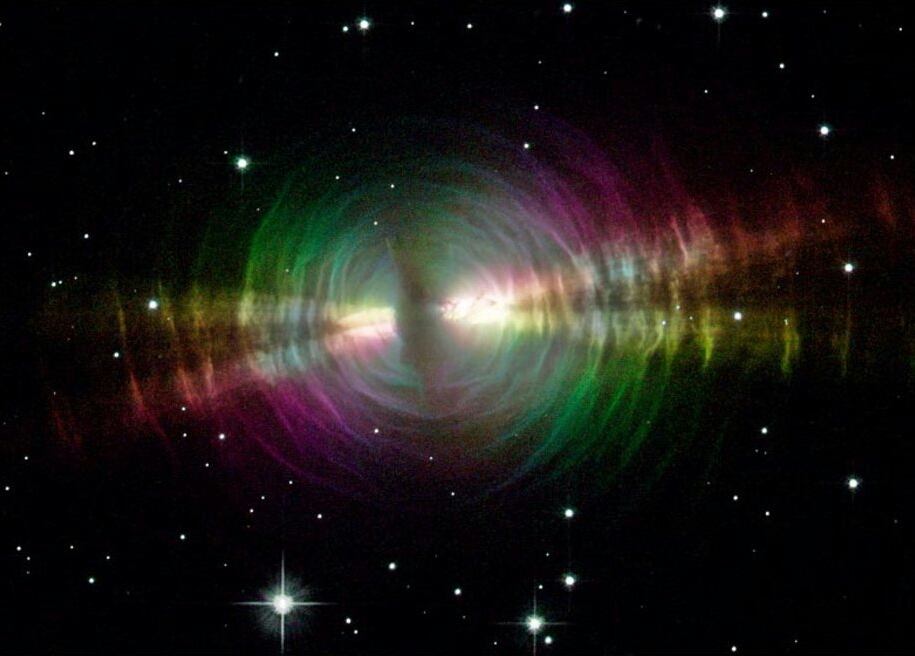
Davvero sorprendente questa immagine: sembra un colorato faro cosmico, ma si tratta di una nube nota come Nebulosa Uovo (Egg Nebula), a circa 3000 anni luce dalla Terra, nella costellazione del Cigno. La ripresa dal telescopio Hubble raffigura una fase breve ma spettacolare della vita di una stella simile al Sole. Continua a leggere
NGC 4725 : Una Spirale con un Braccio

Mentre la maggior parte delle galassie a spirale, inclusa la Via Lattea, hanno due o più bracci, NGC 4725 ne possiede soltanto uno. Continua a leggere
Un Eso-Venere nei Dintorni
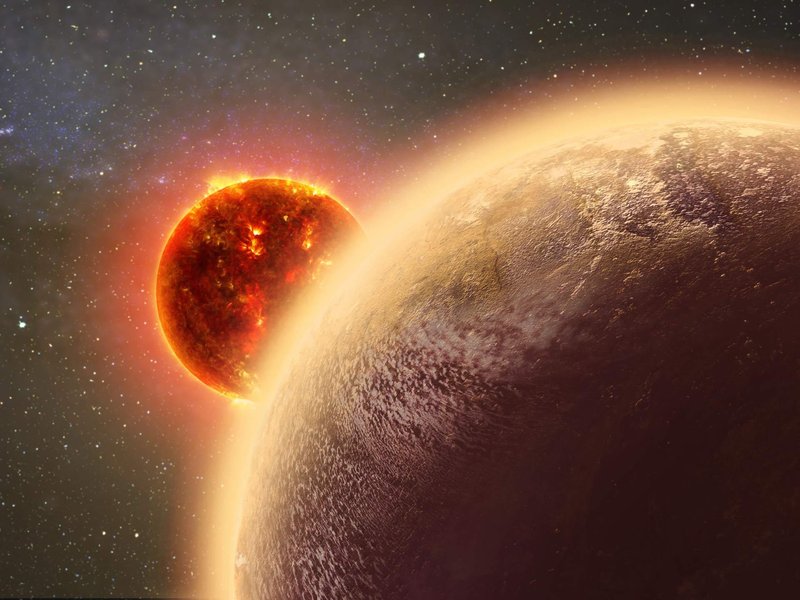
Un team di scienziati guidati da Isabel Angelo (SETI Institute, NASA Ames Research Center, e UC Berkeley) ha annunciato la scoperta di Kepler-1649b, un esopianeta in orbita attorno ad una stella che si trova a 219 anni luce di distanza dalla Terra. Continua a leggere
Un Sistema Planetario Neonato
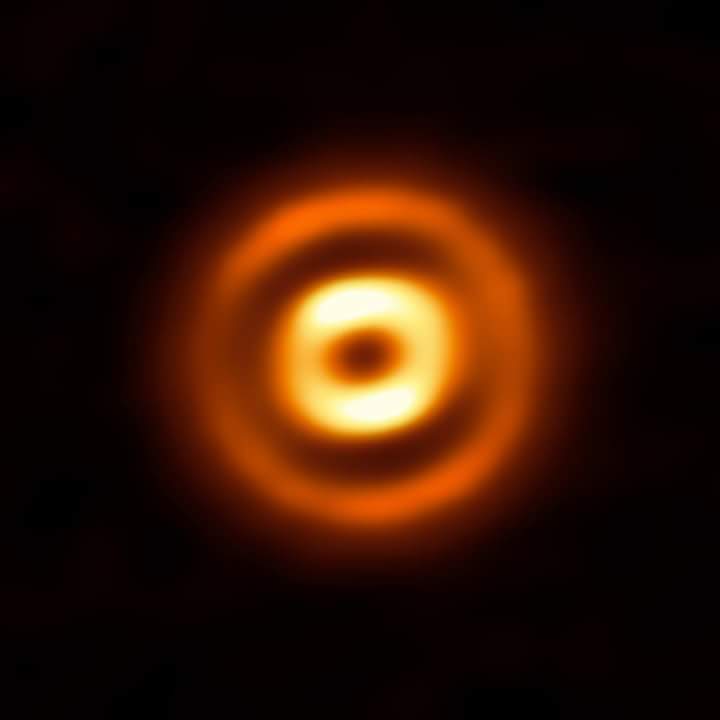
Questa spettacolare immagine ripresa dall’Atacama Large Millimeter/submillimeter Array (ALMA) in alta risoluzione immortala il disco di polveri che circonda la giovane stella isolata HD 169142, a circa 400 anni luce di distanza nella costellazione del Sagittario. Continua a leggere
NGC 4424 e la sua compagna
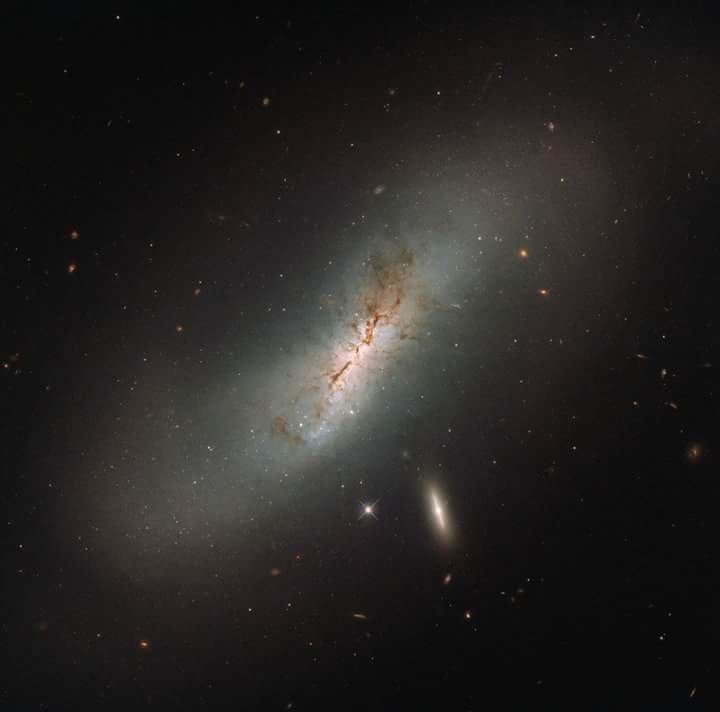
In questa nuova, straordinaria immagine di Hubble sono chiaramente visibili due galassie, la più grande delle quali si chiama NGC 4424. Questa galassia è inserita nel New General Catalogue of Nebulae and Clusters of Stars (NGC), compilato nel 1888. Continua a leggere
La Gelida Fine di Due Stelle
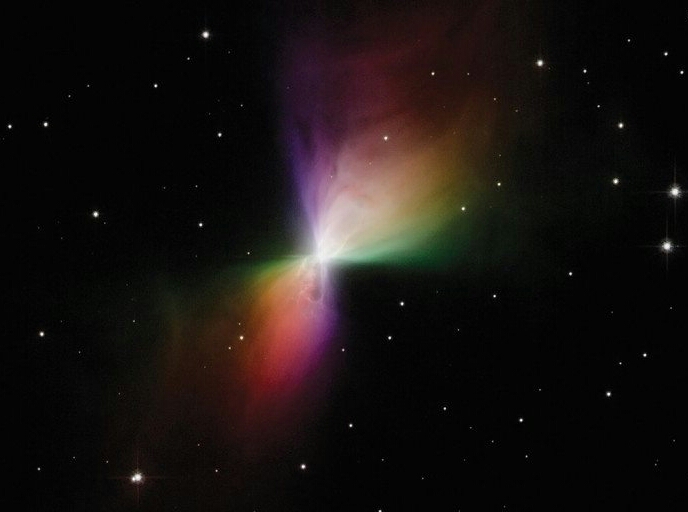 Il luogo più freddo dell’Universo è là dove sono morte due stelle, secondo un team che ha utilizzato il telescopio ALMA per osservare la famosa Nebulosa Boomerang. Continua a leggere