Immagini
La Maestosa Galassia Sombrero
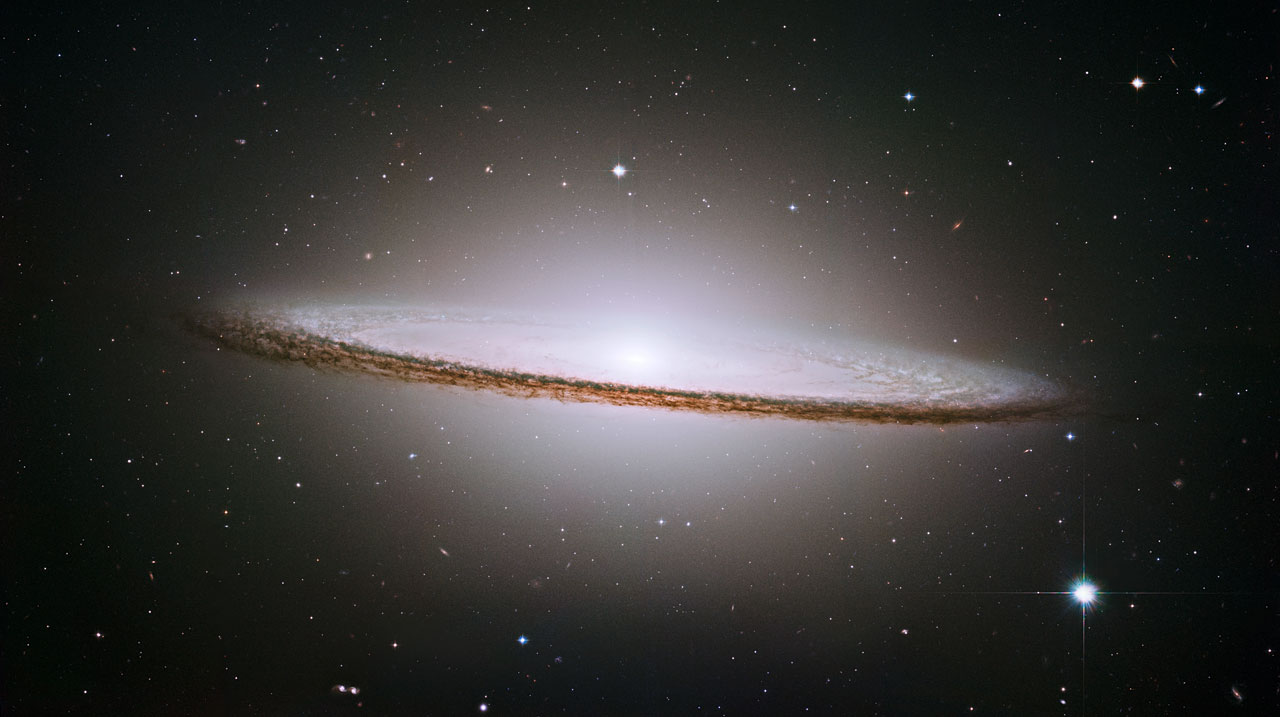
Ecco una delle galassie più imponenti e fotogeniche dell’Universo: la galassia Sombrero, Messier 104 (M104). Segno distintivo della galassia è un nucleo bianco brillante a bulbo circondato da spesse strisce di polvere che percorrono la struttura a spirale. Osservata dalla Terra, la galassia è inclinata quasi di taglio ed è stata chiamata Sombrero per la sua somiglianza con l’ampio cappello messicano. Continua a leggere
L’Ombra di Io
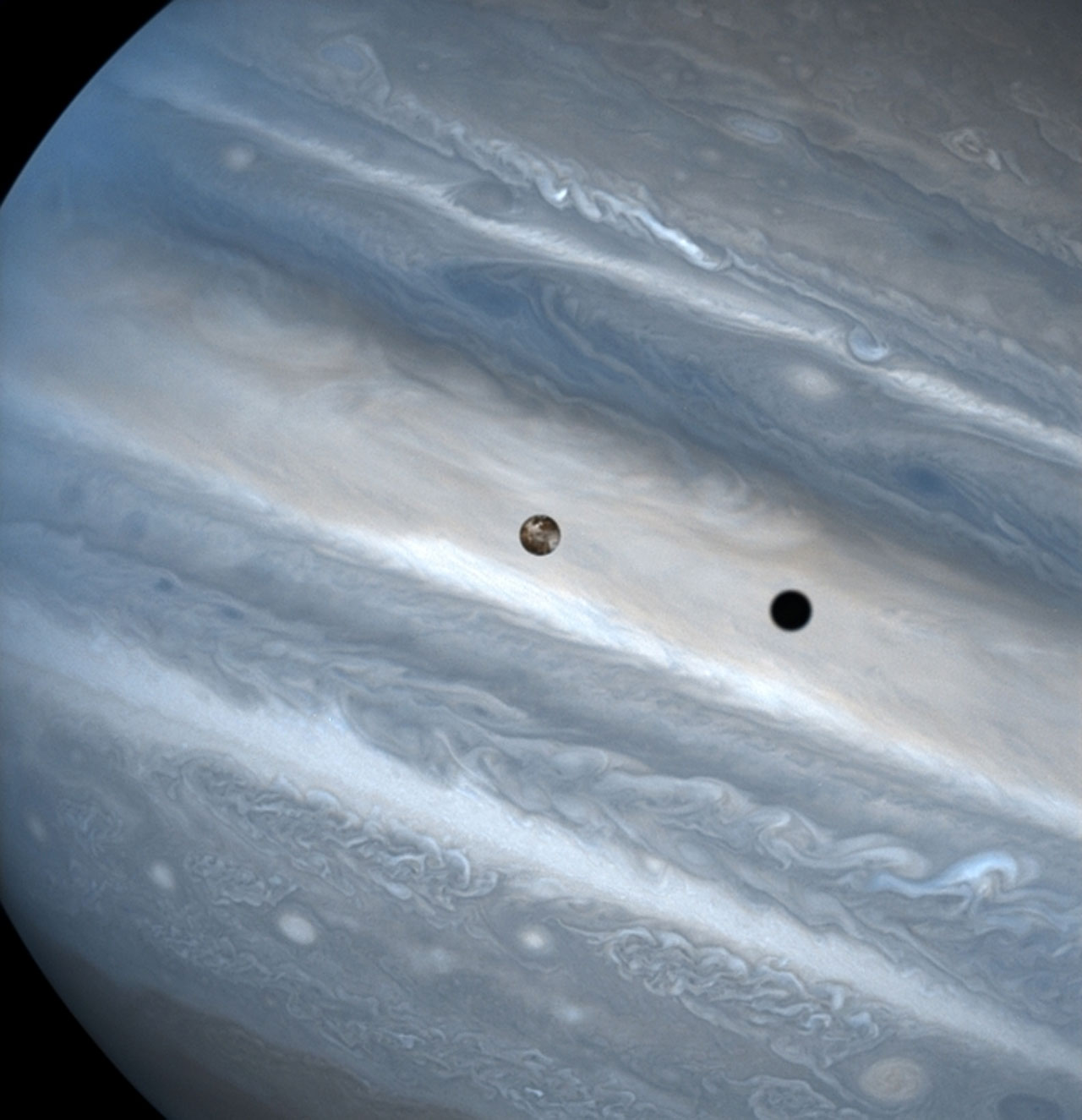
In questa straordinaria immagine sembra quasi che Io, una delle lune di Giove, stia passando rasente alle tempestose nubi del gigante gassoso, ma in realtà si trova ad una distanza di quasi 500.000 chilometri. Io ruota attorno a Giove ogni 1,8 giorni ed ha circa le dimensioni della nostra Luna, ma si trova 2000 volte più lontano da noi. Continua a leggere
La Calma Prima della Tempesta
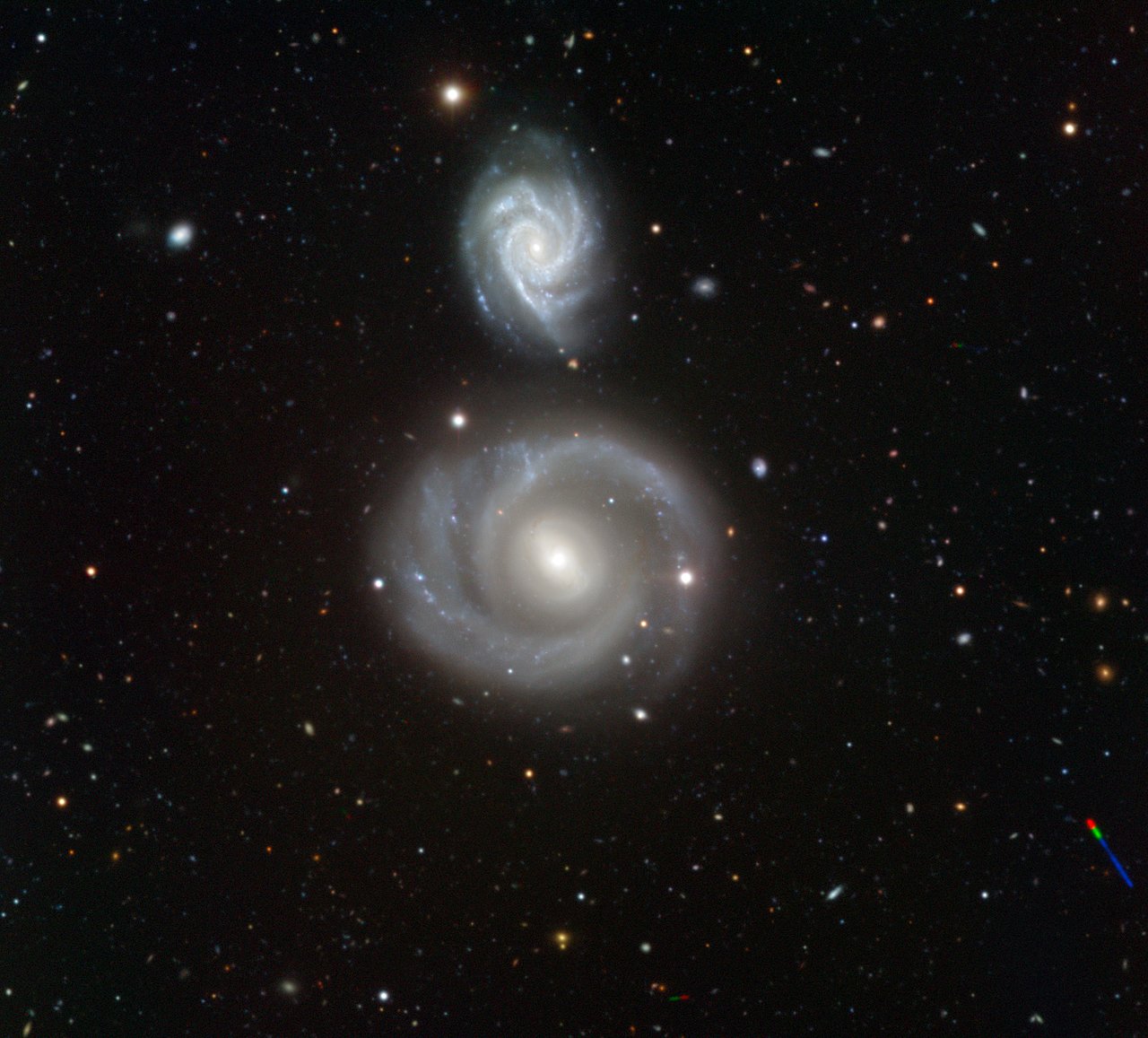
Grazie alla vista frontale con cui si presentano al nostro sguardo, possiamo ammirare la struttura dei caratteristici lunghi bracci che si dispiegano attorno al brillante nucleo centrale di queste due splendide galassie, NGC 799 e NGC 800. Continua a leggere
Montagne della Creazione
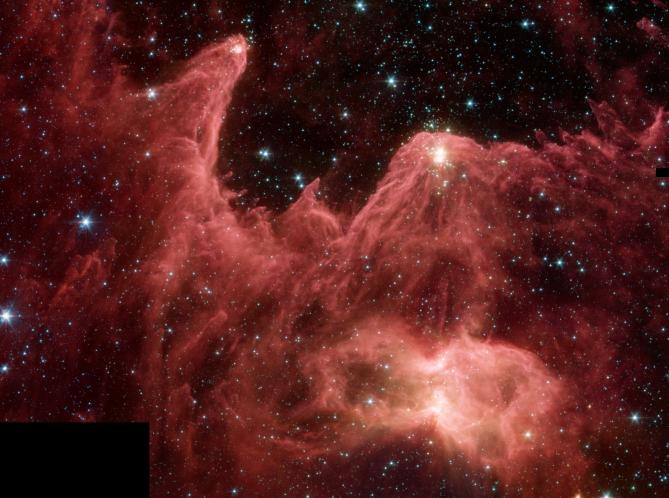
In questa maestosa immagine ripresa dal telescopio Spitzer possiamo ammirare pilastri simili a montagne dove nascono stelle. Soprannominate “Montagne della Creazione”, queste colonne di gas freddo e polveri sono illuminate sulla sommità dalla luce di calde stelle neonate. Continua a leggere
IC 3583: Una Spolverata Blu di Stelle
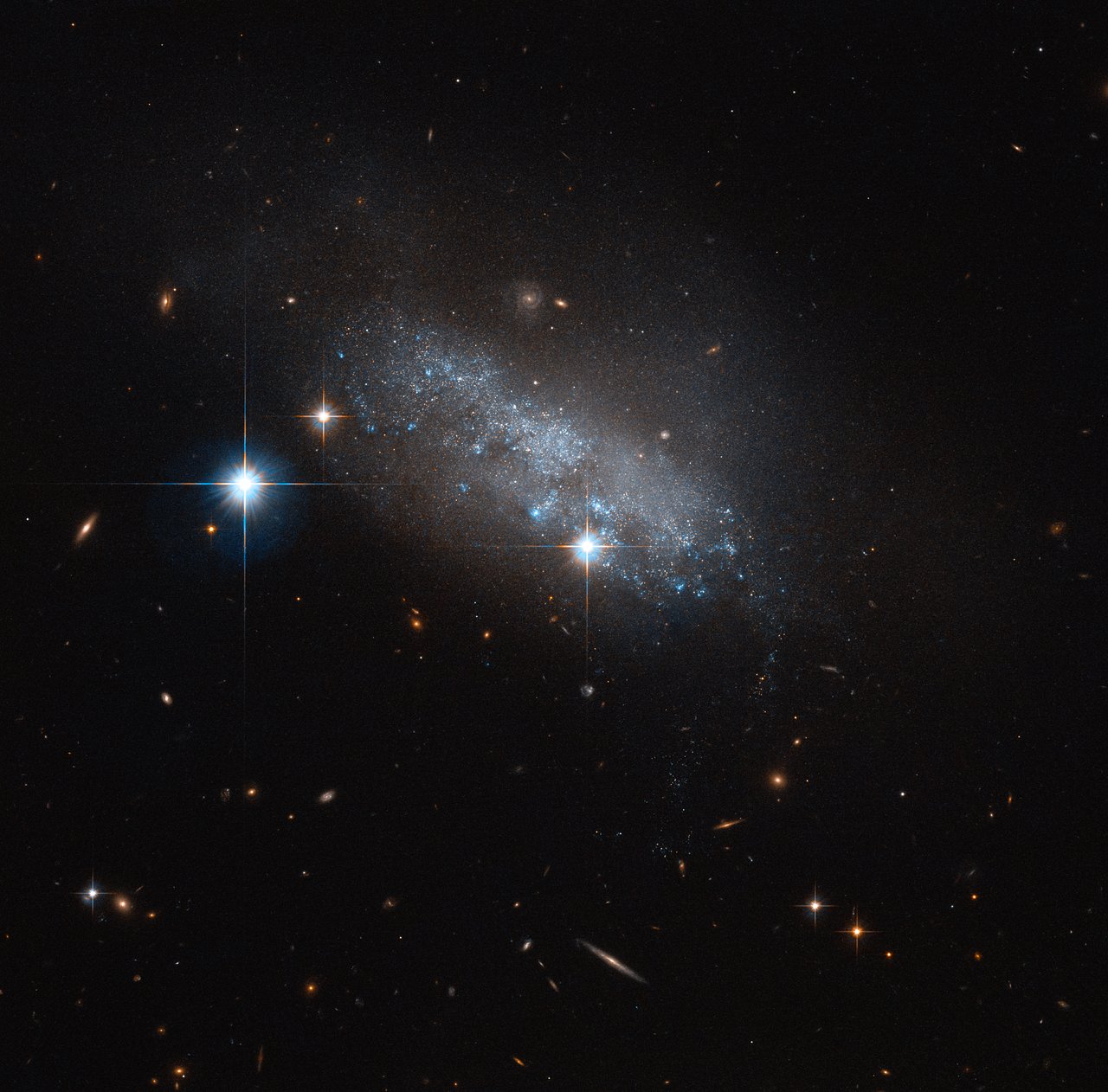
La straordinaria galassia ripresa in questa immagine del telescopio Hubble, chiamata IC 3583, ha l’aspetto delicato di una spolverata blu di stelle, un insieme di lucenti astri raccolti in un mirabile raggruppamento. Continua a leggere
Un fuoco d’artificio di nascita stellare
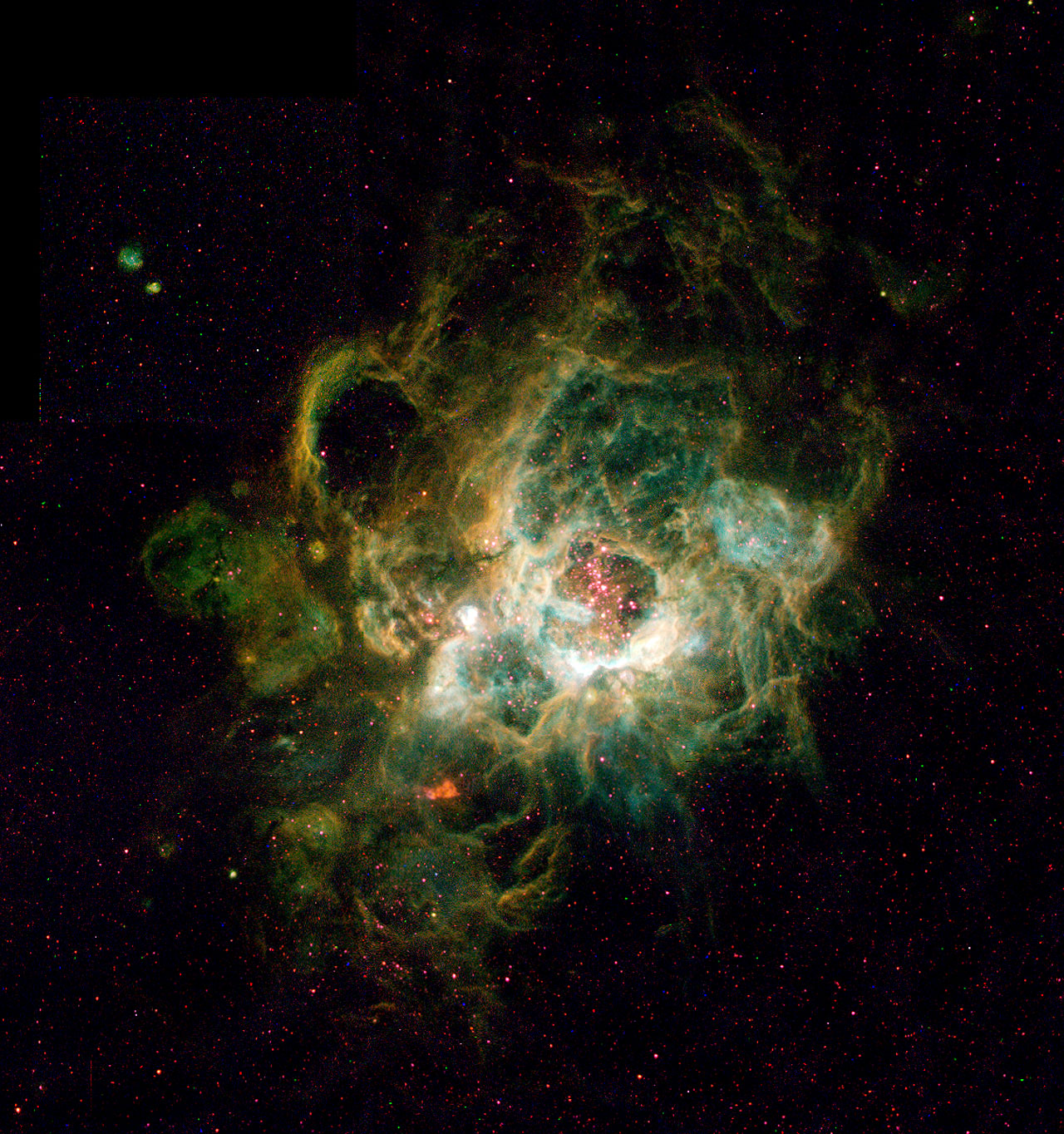
Questa festosa nebulosa colorata è una delle più vaste regioni di formazione stellare in una galassia vicina. NGC 604 è simile alle regioni di nascita stellare nella nostra galassia, come la familiare Nebulosa di Orione, ma è di gran lunga più estesa, quasi 1.500 anni luce, e contiene molti più astri di recente formazione. Continua a leggere
Orione e le sue famose stelle
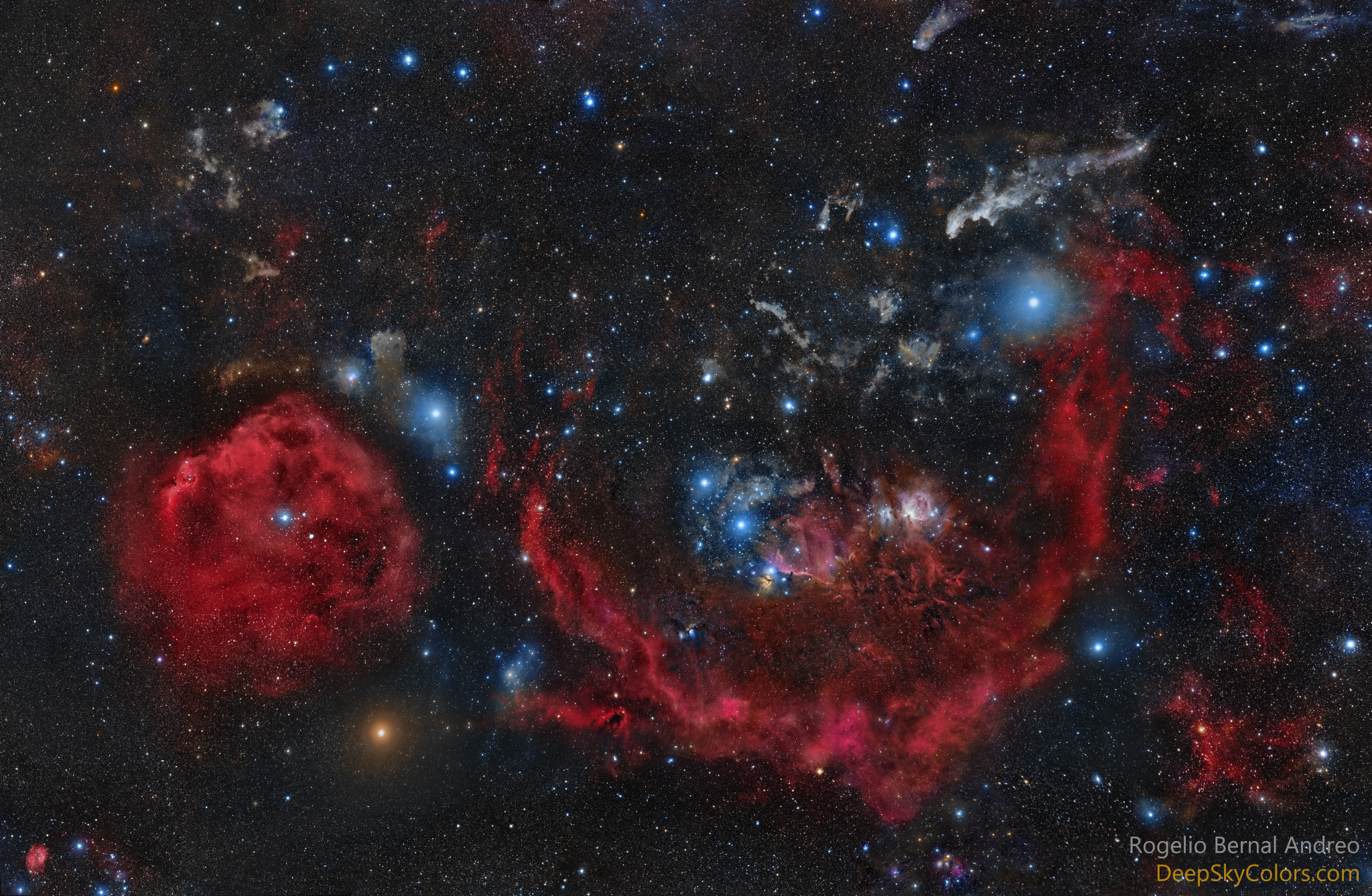
Le ben note stelle in Orione e le costellazioni in cielo ora hanno nomi ufficiali. Nel scorso dell’ultimo anno l’Unione Astronomica Internazionale (International Astronomical Union), l’unica autorità riconosciuta per assegnare nomi a stelle e oggetti celesti, ha approvato denominazioni già nell’uso comune per 227 fra gli astri più luminosi, incluse le stelle più famose in cielo, come Sirio, la Polare e Betelgeuse. Continua a leggere
La Tempesta Perfetta
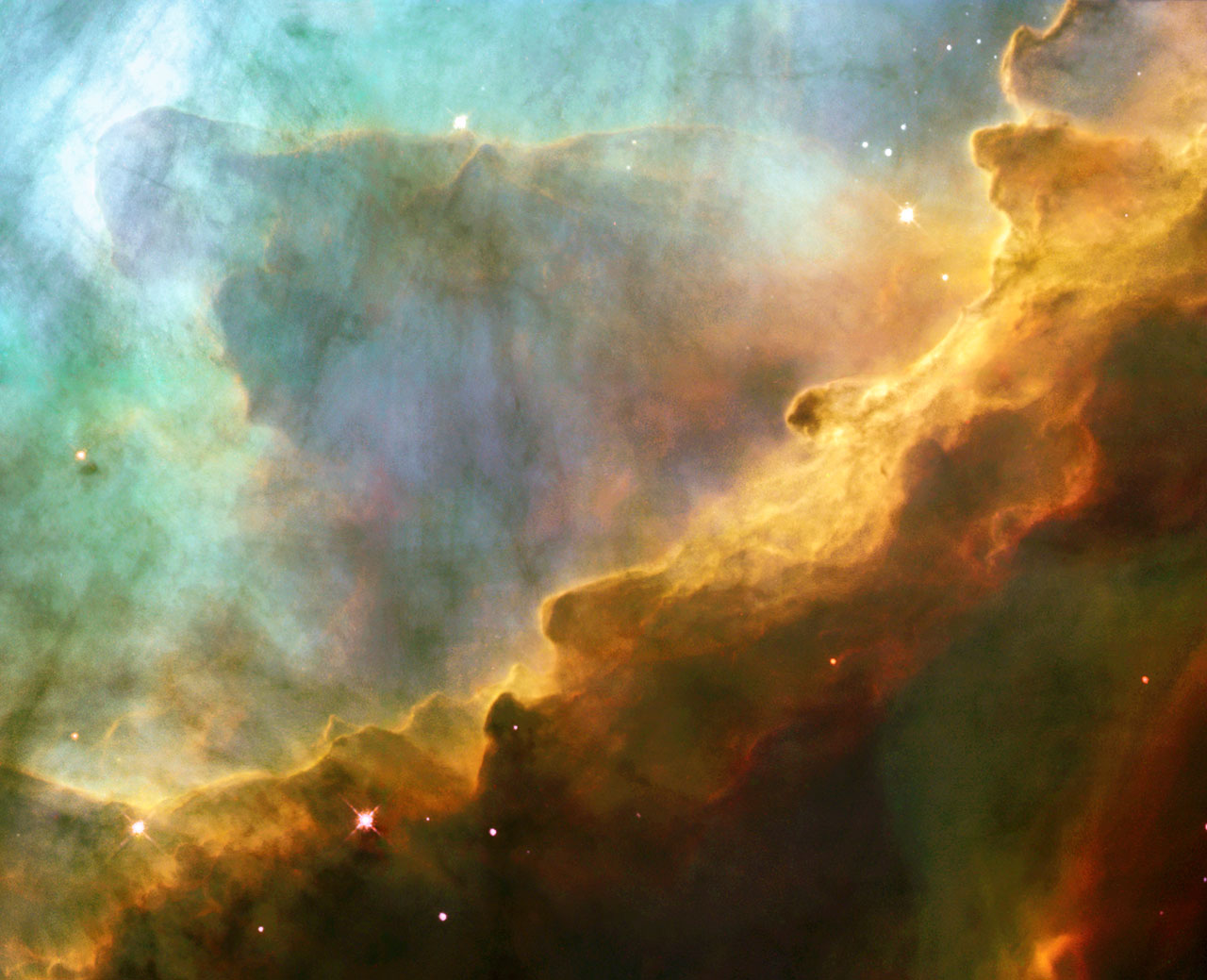
Come la furia di un mare in tempesta, questa immagine del telescopio Hubble mostra un oceano ribollente di gas nella massiccia e luminosa nebulosa molecolare Messier 17. L’immagine riprende solo una piccola regione all’interno di Messier 17, una culla dove nascono stelle. Conosciuta anche come Nebulosa Omega, o Nebulosa Cigno, è localizzata a circa 5500 anni luce dalla Terra nella costellazione del Sagittario. Continua a leggere
Fontana Galattica
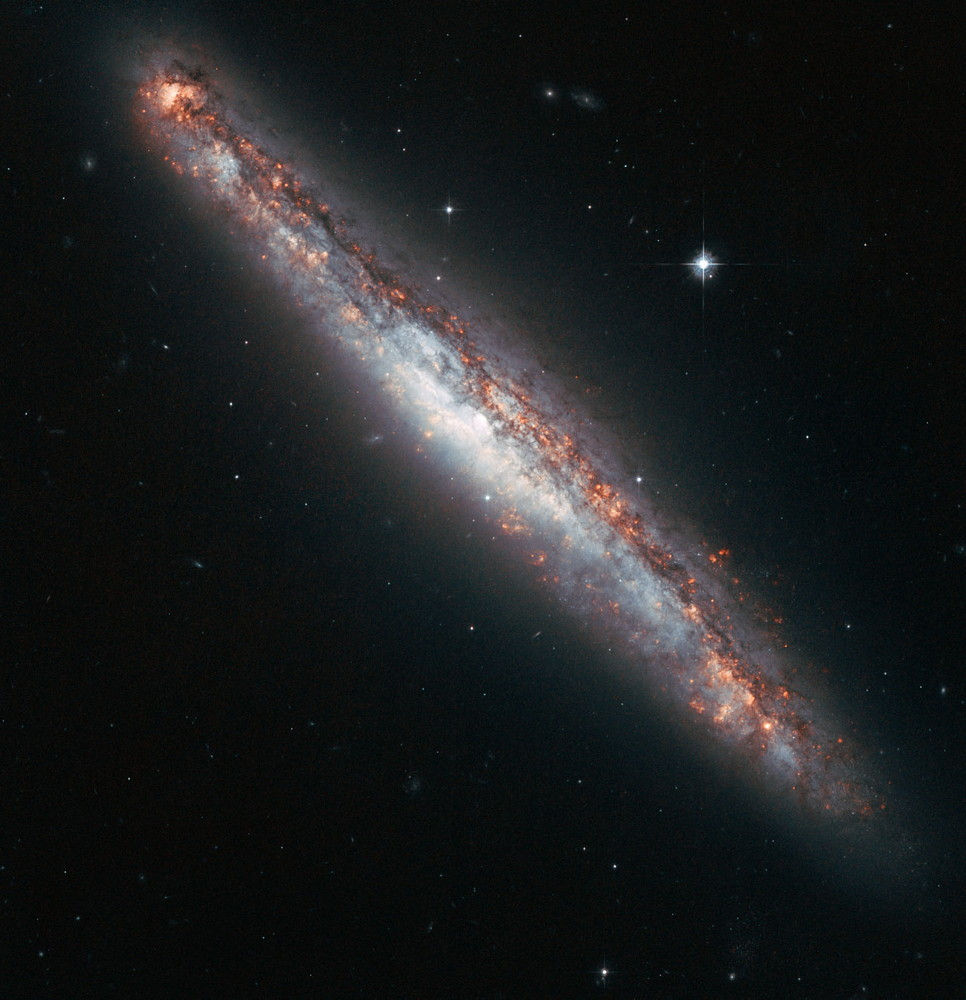
Questa spettacolare immagine del telescopio Hubble mostra il profilo di taglio dell’esile galassia a spirale NGC 5775. Anche se la spirale è inclinata in questo modo rispetto a noi, una simile prospettiva può essere vantaggiosa per gli astronomi, perché le regioni sopra e sotto il disco galattico possono essere osservate più chiaramente. Continua a leggere
Stella Fiammeggiante
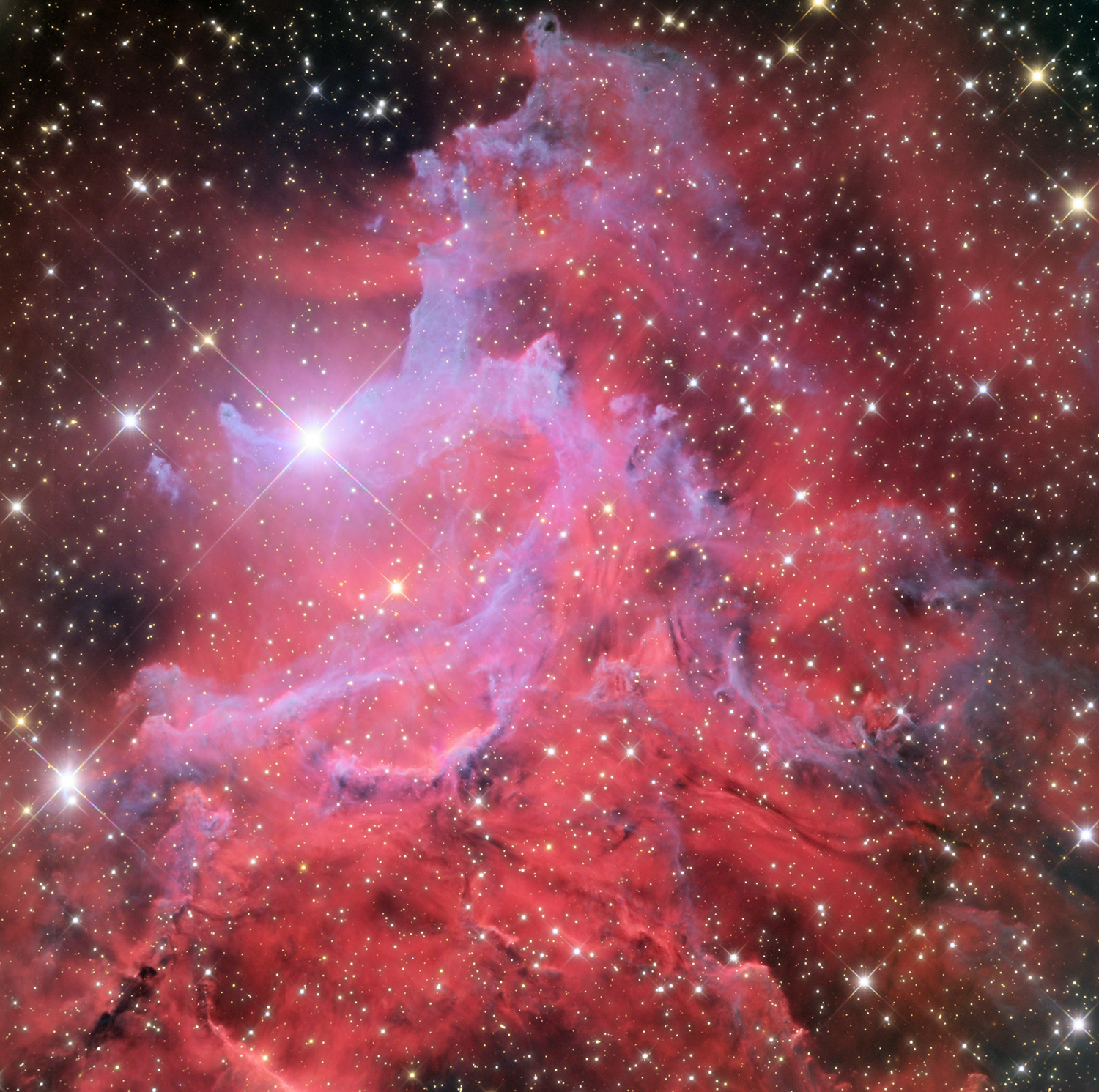
Una stella in fuga illumina la Nebulosa Stella Fiammeggiante (Flaming Star Nebula) in questa spettacolare scena cosmica. Le nubi interstellari di gas e polveri della Stella Fiammeggiante, altrimenti nota come IC 405, si trovano a circa 1.500 anni luce di distanza in direzione della costellazione dell’Auriga. Continua a leggere