Come un Girasole
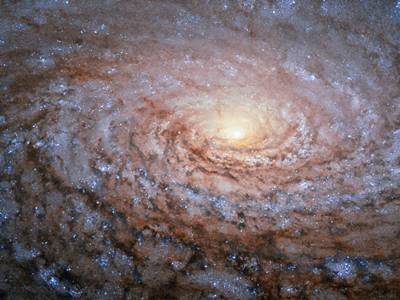 La disposizione dei bracci di spirale della galassia Messier 63, visibile in questa immagine ripresa dal telescopio Hubble, richiama alla mente la struttura nel centro di un girasole per il gran numero di segmenti di spirale che circondano il nucleo, pervasi da nubi di polvere interstellare Continua a leggere
Un processo universale guida la nascita delle stelle
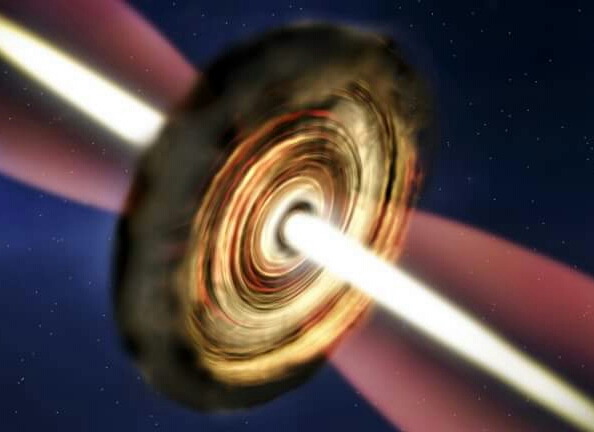
Un team di astronomi delle Università di Tübingen e di Vienna ha condotto uno studio dettagliato sui principi alla base della formazione stellare. Continua a leggere
Vortici Maestosi da Hubble
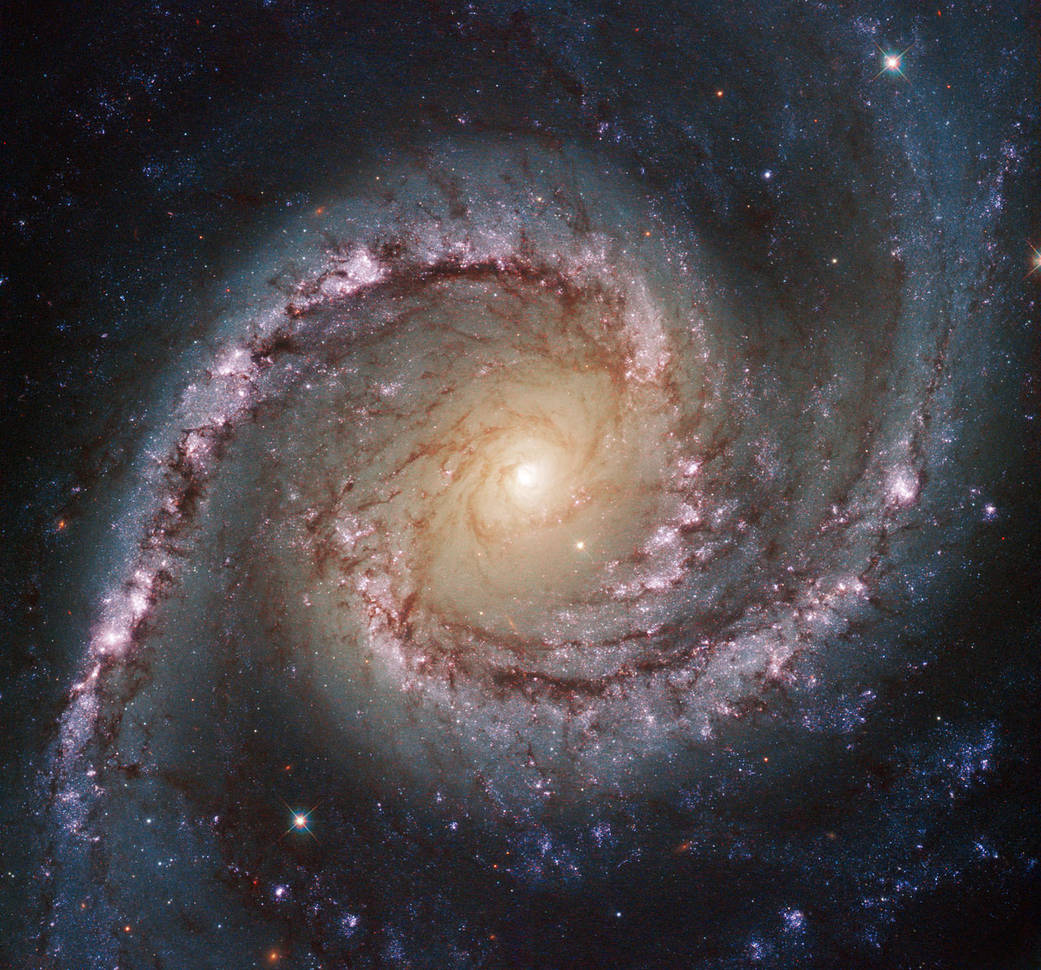
Questa immagine mozzafiato ripresa dal telescopio Hubble mostra NGC 1566, una splendida galassia situata a circa 40 milioni di anni luce di distanza nella costellazione del Dorado. NGC 1566 è una galassia a spirale intermedia: anche se non ha una regione di stelle ben definita a forma di barra al suo centro, come le spirali barrate, non è nemmeno una spirale non barrata. Continua a leggere
Uno Scrigno di Gioielli nel Tucano
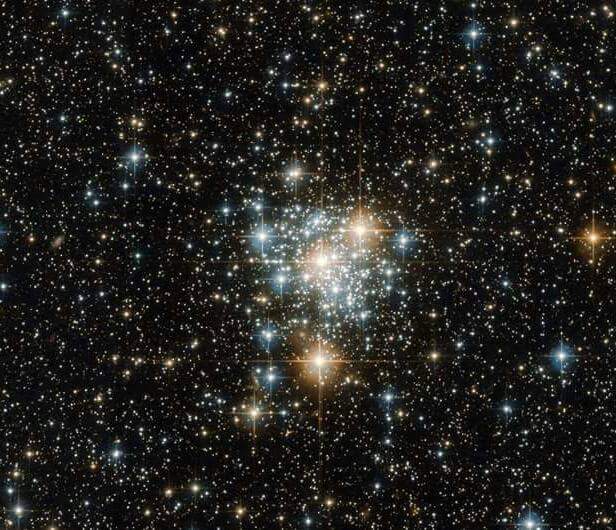
Anche se potrebbe essere già famosa per ospitare oggetti spettacolari come la galassia nana del Tucano e 47 Tucanae, il secondo ammasso globulare più brillante nel cielo notturno, la costellazione australe del Tucano possiede una varietà di bellezze cosmiche poco conosciute. Uno di questi gioielli è NGC 299, un ammasso stellare aperto localizzato all’interno della Piccola Nube di Magellano a circa 200.000 anni luce di distanza. Continua a leggere
Uno tsunami di gas e stelle forma un “occhio” galattico
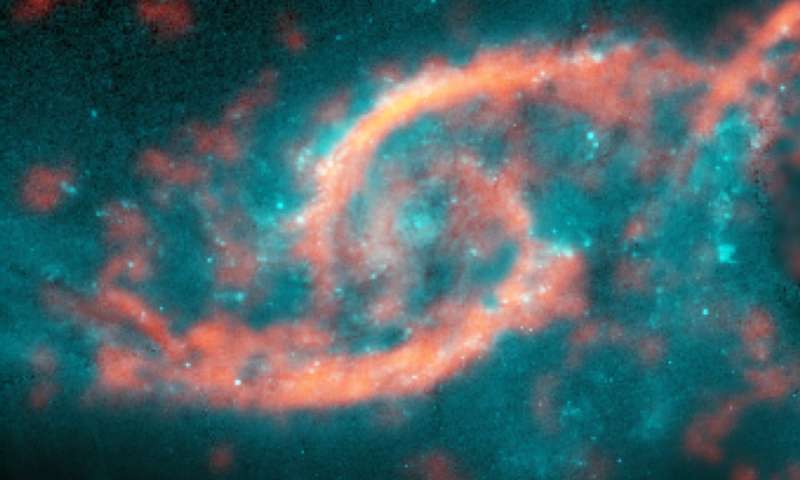 Gli astronomi utilizzando l’Atacama Large Millimeter/submillimeter Array (ALMA) hanno individuato nel disco di una galassia a spirale nota come IC 2163 un vero e proprio “tsunami” di stelle e gas generato dallo scontro tra due galassie. Quest’onda colossale di materiale, innescata quando IC 2163 ha speronato un’altra galassia a spirale chiamata NGC 2207, ha prodotto archi rilucenti di intensa formazione stellare che sembrano assumere l’aspetto di un occhio dotato di palpebre. Continua a leggere
Una seconda opportunità per un’osservazione da record
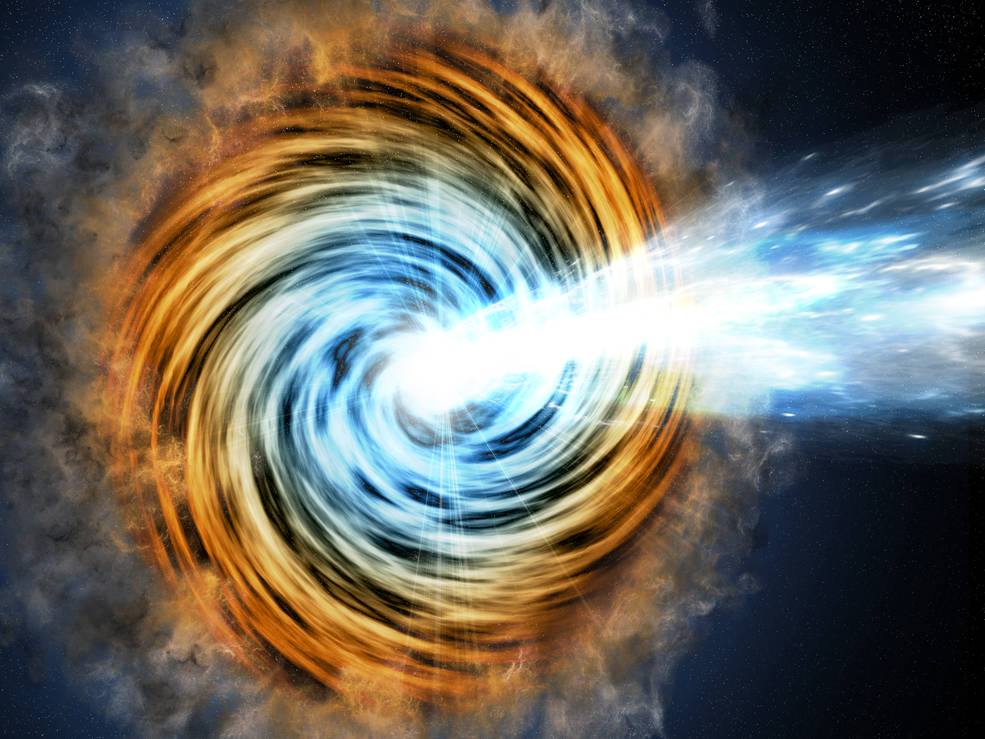
Mai in precedenza gli astrofisici avevano misurato luce ad altissima energia proveniente da un oggetto così distante. Circa 7 miliardi di anni fa nel centro di una galassia ebbe luogo un’immensa esplosione, seguita da un’intensa emissione di raggi gamma. Continua a leggere
Genesi Stellare nella Girandola del Sud
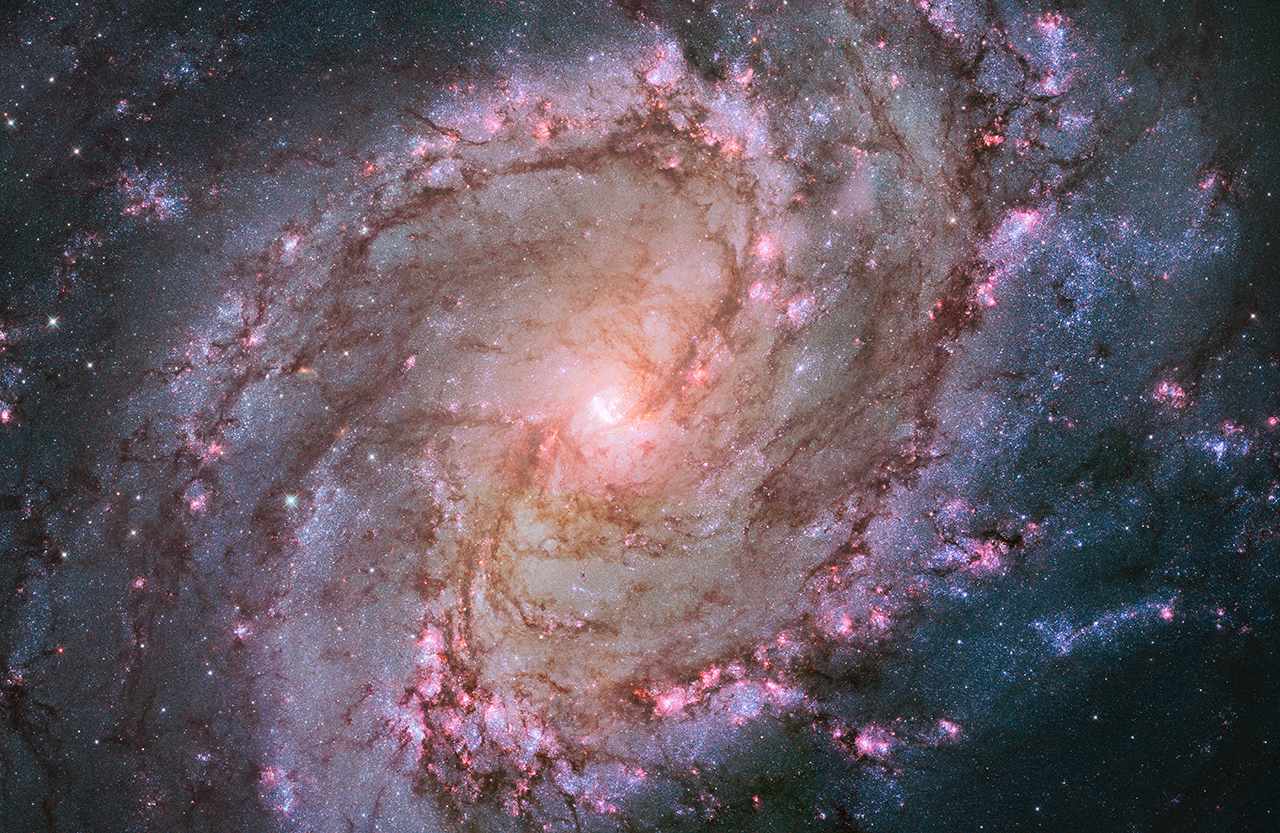
La bellezza della galassia a spirale barrata Messier 83 è svelata in tutta la sua gloria in questa immagine del telescopio Hubble. Le vivaci tonalità magenta e blu rivelano che la galassia risplende di formazione stellare. Conosciuta anche come Girandola del Sud, si trova a 15 milioni di anni luce di distanza nella costellazione dell’Idra. Continua a leggere
La Giovinezza di NGC 362
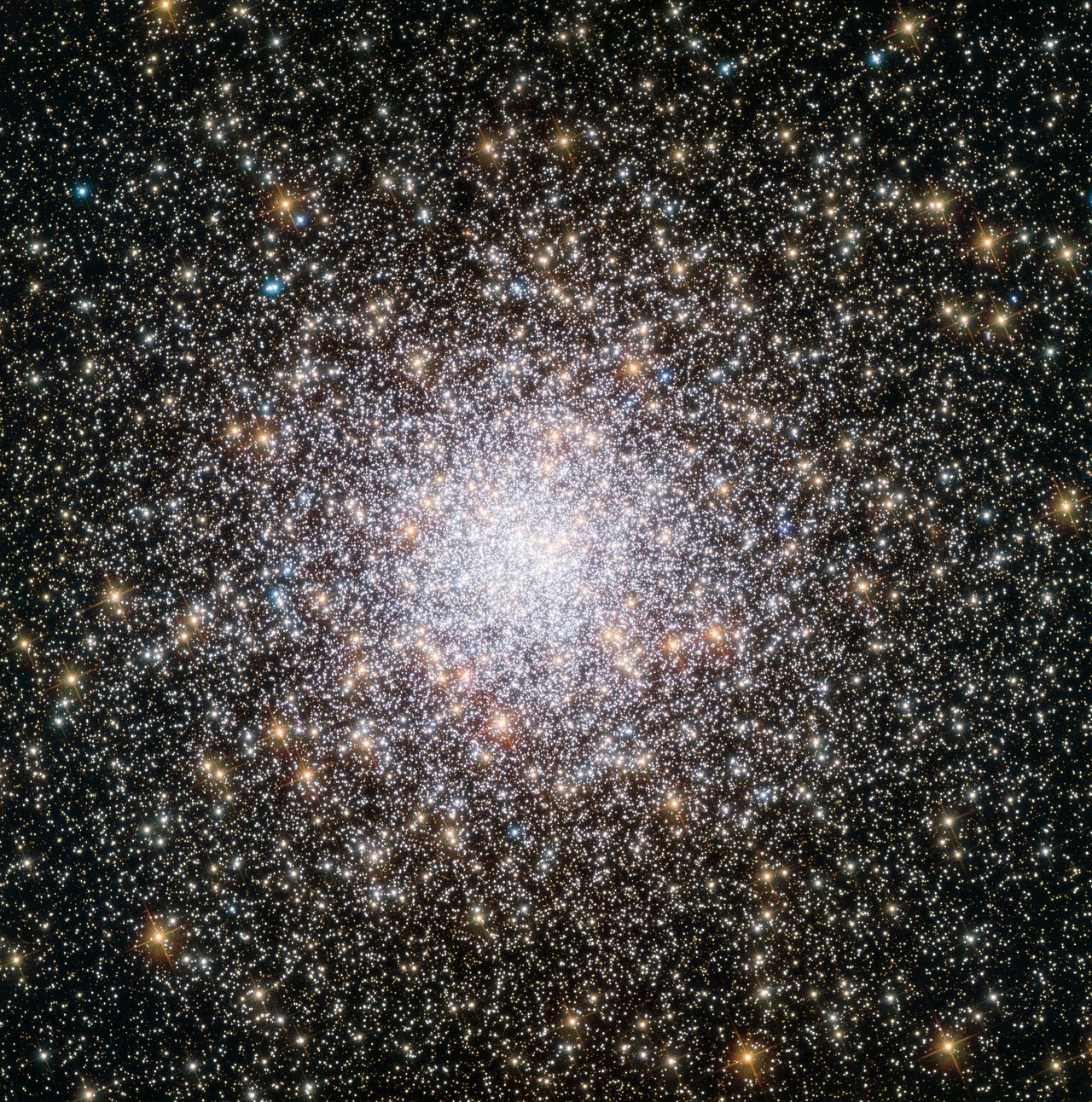
Gli ammassi globulari offrono una delle visioni più spettacolari nel cielo notturno. Queste sfere adorne di astri contengono centinaia di migliaia di stelle, e risiedono nelle periferie delle galassie. La Via Lattea ne contiene più di 150 e quello mostrato in questa nuova immagine del telescopio Hubble, chiamato NGC 362, è uno dei più inusuali. Continua a leggere
Un buco nero messo a nudo da un incontro galattico
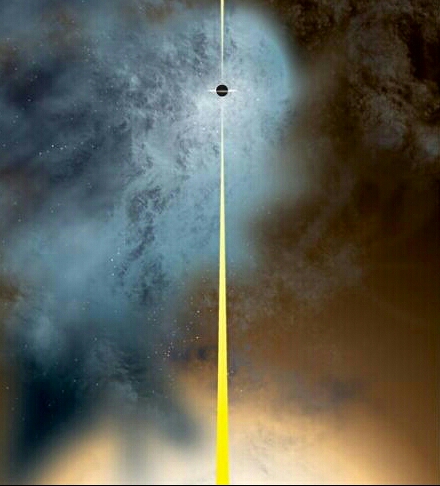
Gli astronomi utilizzando il Very Long Baseline Array (VLBA) hanno individuato qualcosa di davvero straordinario: i resti devastati di una galassia che è passata attraverso una galassia più grande, uno scontro violento che ha fatto emergere e schizzare via a oltre 2000 chilometri al secondo il buco nero supermassiccio ormai quasi spoglio della galassia più piccola. Continua a leggere
Vacanze Astronomiche in Toscana 2016
Vacanza astronomica con seminari e osservazioni al telescopio
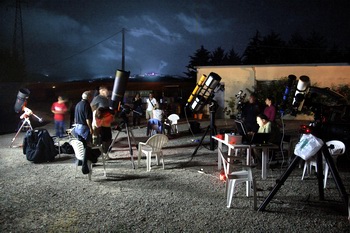 Da diversi anni l’Accademia delle Stelle organizza Vacanze Astronomiche collaborando con strutture selezionate in siti con cieli particolarmente bui in varie regioni d’Italia*. Continua a leggere